Housing News
Here’s Where the Housing Market Is Headed in the Second Half of 2026
July 15, 2026
The housing market heading into the second half of 2026 looks quite different from the rollercoaster of recent years. And in many ways, that’s a good thing.
More homes are available in markets across the country, competition has softened, and homebuyers who were pushed to the sidelines are finding they have more room to negotiate than they have in a long time.
That shift hasn’t come without trade-offs. Mortgage interest rates are running a little higher than many experts predicted at the start of the year, and affordability is still a real consideration for plenty of households.
But a more balanced market means buyers have something they haven’t had in a while: options, and a little more time to make decisions. That may present an opportunity for those who have been hanging out on the sidelines.
“Some people are wanting low prices and low rates, and honestly, those two don’t go together,” said New American Funding Sales Manager Amber Ernst in Bettendorf, Iowa. “You have to review what you can afford within your budget and make a plan.”
Sellers also have reason for optimism: Many homeowners have built significant equity over the past several years. And well-prepared, competitively priced homes continue to sell in many markets.
Below, we’ll track where mortgage rates, home prices, and inventory are likely headed in the second half of 2026.
Mortgage rates will stay in the low- to mid-6% range
Mortgage rates have remained consistent over the past three years, a trend that will continue through the end of 2026. Despite earlier predictions that rates could drop below 6% by year-end, experts now believe we’ll finish 2026 with mortgage rates somewhere in the low- to mid-6% range.
For instance, National Association of Realtors (NAR) chief economist Dr. Lawrence Yun recently predicted an average rate of 6.5% for the entirety of 2026.
Previously, Zillow’s Mischa Fisher estimated rates as low as 5.8% by the end of the year, but Fisher has since walked that prediction back. And Realtor.com expects rates will average about 6.3% for the remainder of the year.
The good news: Rates aren’t expected to increase dramatically. Buyers will be able to access mortgages with rates similar to those of the past three years.
While today’s rates are higher than the historic lows seen during the pandemic, they’re much closer to historical averages. And they’re notably lower than the more-than 18% peak in the early 1980s.
Home prices will stabilize in 2026
After several years of rapid appreciation, home prices are finally beginning to stabilize. That’s welcome news for buyers who have struggled with affordability, while still allowing existing homeowners to retain substantial equity.
Realtor.com expects prices will rise just 1.2% this year compared to last.
Meanwhile, the MBA expects home price growth to slow to 0.8% year-over-year by the end of 2026, but things look different at a regional level. In fact, the MBA reports that home prices have dropped in eight states and in a third of the largest 100 U.S. metros.
That said, building housing wealth is still very possible for homeowners in the long run.
NAR reports that, though the median home price in the U.S. is currently $430,000, that number is likely to jump to $1 in roughly 25 years.
More homes to be sold, though affordability remains a challenge
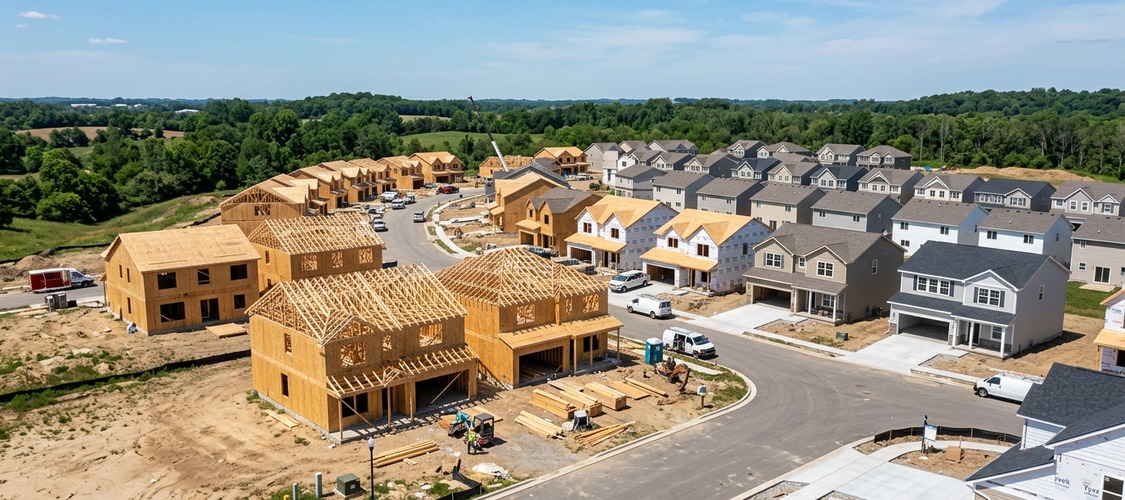
NAR predicts sales of existing homes in 2026 will increase 4% over 2025. Realtor.com expects sales will rise by 1% to about 4.13 million sales, while the number of homes on the market increases by about 3.6% year-over-year.
That’s good news for buyers and sellers.
That said, affordability remains a roadblock for some Americans. While there are more homes listed for sale, many of them are priced higher than some low- and middle-income families can afford.
However, affordability should gradually improve as home price growth slows and, in some markets, prices start to come back down.
What this means for homebuyers in 2026
While today’s housing market looks different from what many experts expected at the start of the year, buyers still have several reasons to feel optimistic. Here’s what to keep in mind:
Don’t wait for mortgage rates to drop
Would-be homebuyers who have been sitting on the sidelines waiting for pandemic-era mortgage rates aren’t likely to see anything in the 3% range anytime soon.
And while they’ve waited, home prices have increased. That means they’ve missed out on years of building equity because they chose not to buy.
Buyers may want to buy today and plan to refinance their mortgages once rates do come down.
Use your negotiating power
Builders who are sitting on unsold homes may offer discounts and incentives to help a sale go through.
“The advantages of buying a new construction [home] are apparent when the builders provide some sort of incentives, such as assistance with closing costs, rate buydowns, upgrades, or discounts,” said Realtor Alexei Morgado, who is also the founder and CEO of Lexawise, a real estate exam preparation company.
It’s not only new construction homes where you can find deals. As the number of existing homes increases in the back half of 2026, you’ll also have more negotiating power as a buyer, both on the initial offer and after the inspection.
Bidding wars could become less common, too, as housing inventory increases.
Expand your home search
If you’re finding that homes are outside what you’re comfortable spending, you may need to expand your search to other, more affordable neighborhoods. Or you may need to rethink what features are must-haves vs. nice-to-haves.
What this means for home sellers in 2026
Home sellers should also think about how the housing market will impact them in 2026.
Make good use of your equity
If you bought your home before the surge in home prices following the pandemic, you’ve likely earned significant equity in your home.
Make a plan for how you’ll use this cash, whether it’s a down payment on a new home, consolidating debt, or renovations. You may also establish an emergency fund or open an investment account.
Be proactive to sell your home faster
Some housing markets are hot right now, but in other parts of the country, homes are sitting longer than they did in recent years.
Ernst offered several tips to help move your home faster, even in a slightly slower market.
“Remove your personal items, hire a cleaning service, declutter the home, [and] pay for a stager,” Ernst suggested.
A reputable, experienced real estate agent may be able to make suggestions to boost your home’s curb appeal and make the interior more welcoming to buyers. A move-in-ready home is likely to attract more buyers than a fixer-upper.
Looking ahead
There’s rarely a “perfect” time to buy or sell a home because market conditions will always involve tradeoffs.
Instead, when you make decisions based on your own finances, housing needs, and long-term goals, not short-term headlines, you may be better positioned than those waiting for ideal conditions that may never arrive.
Amber Ernst NMLS # 406037
Author


 Stay one step ahead