Homebuyers
Thinking About Buying a Foreclosed Home? Here’s What You Need to Know Before You Close
July 13, 2026
The number of U.S. homes falling into foreclosure is on the rise. For budget-conscious buyers, this might seem like an opportunity to score a bargain home for much less than market value.
This uptick may tempt would-be buyers to consider foreclosed properties, which sometimes come with significantly lower price tags than the average home. But lower costs don’t mean lower risks.
“Higher interest rates and higher home prices are not allowing distressed sellers to sell their properties quickly,” said Ken Johnson, chair of real estate at the University of Mississippi. “Thus, distressed properties that would have been cleared by the market in the recent past are instead going into foreclosure.”
Lower price tags may be tempting. However, foreclosed homes may come with major liabilities, from costly repairs to legal complications. These expenses have the potential to erase any potential savings.
If you’re considering buying a foreclosed home, here’s what you need to know before you close.
Understanding the different types of foreclosed homes
Before diving into listings, make sure you know the different kinds of distressed properties that may be available. The purchase process and potential risks differ across these types of foreclosed homes:
Pre-foreclosure
Pre-foreclosure begins when a homeowner has missed several mortgage payments, but still legally owns the home.
You can sometimes find pre-foreclosed homes listed for sale online. Sometimes you can also locate them by proactively advertising through physical signs placed in a neighborhood and by posting listings online that you’re interested in buying such a home. You’ve probably seen these types of signs at intersections: “We buy houses for cash.”
To avoid the credit damage and expenses of foreclosure, homeowners may be willing to sell you their home below market value.
Short sale
Homeowners who are underwater on their mortgages—meaning they owe more than their home is worth—may be looking for a way out, without having to go through foreclosure.
Lenders may allow the homeowner to initiate a short sale. This is when the home is sold for less than what the homeowner still owes on their mortgage. In this scenario, both the seller and the lender have to agree to your offer, and it can take months for the sale to go through.
Foreclosure auction

Once a home is foreclosed, the lender may sell it at a public auction. These are usually cash-only sales, and you typically won’t be able to tour the property beforehand.
This can be risky, even for experienced investors, both because the home could be in poor condition. There could also be outstanding financial liens on the property. The new owner would need to assume those unpaid bills (liens) from the previous owners.
In rare cases, the previous owners may still live in the home and give you trouble when it’s time for them to move out.
It can also be tricky to get a mortgage for these properties. And in some instances, the previous owners may be able to get the property back even after it’s sold at auction.
However, the greater the risk, the greater the reward. Prices for homes at auction tend to be far below market value because the lender wants to offload the property quickly and recoup some of their investment.
Real estate-owned (REO) homes
If a property doesn’t sell at auction, it becomes bank-owned, also known as real estate-owned properties (REOs). The lender will clear the title of any liens and ensure the former owners have moved out.
Then, the bank typically lists the home on the multiple listing service (MLS.) You’ll need a real estate agent to help buy you one (and you can often do so with a mortgage). Although these homes are usually sold as-is, you’ll at least be able to tour the home and get an inspection before purchasing.
Maintenance and repair risks for foreclosed homes
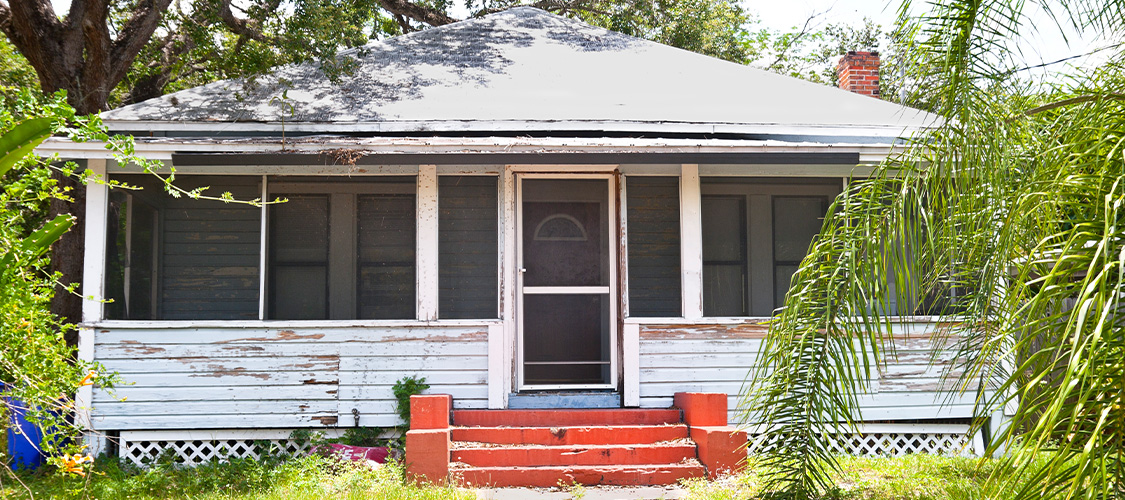
One of the largest risks of purchasing a foreclosed home is that you often can’t see what you’re buying, especially when bidding at a public auction.
Many of the owners of foreclosed homes fell into some financial trouble, so the properties may not have received needed repairs.
“The biggest issue with purchasing foreclosed (or REO) properties is that they are sold almost exclusively in their ‘as-is’ condition and the previous owner (prior to the lender) did not have financial motivation to maintain the property,” said Johnson. “Thus, the condition of these properties is quite often lacking.”
From mold to structural damage to outdated electrical systems, repair costs can pile up quickly, eating into whatever savings you got by purchasing below market value.
Financial risks of buying a foreclosure
Foreclosed properties pose financial risks beyond necessary repair costs.
For instance, the homes may carry liens left behind by the previous owner. Doing a thorough title search is crucial before finalizing any purchase so you’re not responsible for someone else’s unpaid bills.
Financing options can vary depending on the type of foreclosure. While you typically get a mortgage for a short sale or REO, homes sold at auctions usually require cash. Spending all your liquid funds on a home that requires significant repairs could put you in a tough financial position.
Foreclosures have the risk of squatters
Another issue you may not anticipate when purchasing a foreclosed home is the previous owners occupying the property and refusing to leave. A home that sat vacant for months or even years may have also attracted squatters.
While not common, this situation can lead to delays, eviction proceedings, and even safety concerns. Upset former homeowners may even intentionally damage the property before leaving.
In short: If you’re a first-time buyer, look for vacant properties with clear titles and confirmed REO status that allow you to purchase with a traditional mortgage.
Author



 Stay one step ahead