
Homebuyers
There Are Lots of Mortgages Out There. Which One Is Right for You?
March 2, 2026
Are you trying to finance your home-sweet-home? There are a surprising number of different kinds of home loans to choose from.
From traditional, 30-year, fixed-rate loans to mortgages designed for first-time homebuyers, veterans, and self-employed borrowers, it may feel overwhelming to sort through all your options.
The best mortgage for you depends on you, your finances, and your homebuying goals.
“The type of mortgage which a person [should] acquire depends on their stability, mobility and resources,” said finance expert and founder of 1040 Abroad Olivier Wagner, based in London and New York City.
Below are a few of the most common types of mortgages for homebuyers.
Conventional loans
Conventional loans are the most popular type of mortgage, and for good reason. These loans generally (but not always) have fixed interest rates, which result in more predictable monthly housing payments. They also have fewer requirements around appraisals, inspection, and location than some other kinds of mortgages.
Buyers can secure these loans with as little as 3% down, in some cases. The lengths of these loans can vary, sometimes in as little as eight years, 15 years, or the traditional 30-year mortgage.
However, Conventional loans typically require private mortgage insurance (PMI) if your down payment is less than 20%.
These loans are popular because the interest rate doesn’t change over the life of the loan, especially beneficial if rates go up at some point during that period. However, if rates drop during the loan, you won’t be able to automatically get that lower rate. One option you could consider at that point is refinancing, which may allow you to secure that lower rate and potentially lower monthly payments.
Who should consider a Conventional loan? Borrowers with good credit, strong finances, and money saved for a down payment.
FHA loans

Federal Housing Administration (FHA) loans are designed for first-time buyers and those with lower credit scores and less savings.
These loans require just a 3.5% down payment if your credit score is at least 580. Buyers with scores starting at 500 may be able to qualify for these loans with larger down payments. Borrowers with more debt may also be able to qualify, depending on their financial profile.
However, FHA loans can come with a bit more red tape than other mortgages. They have higher appraisal and inspection requirements, making them more difficult to use on older homes or fixer-uppers.
They also come with an upfront mortgage insurance premium and an annual mortgage insurance premium that must be paid throughout the life of the loan, unless buyers put down at least 10% when they purchase the home. Those can both be rolled into the loan and paid as part of the monthly payment.
Who should consider an FHA loan? First-time and other buyers with lower credit scores or more debt.
VA loans
The biggest perk of using a U.S. Department of Veterans Affairs (VA) loan is you’re not required to make a down payment in most situations. However, these government-backed loans are reserved for buyers who are members of the military, veterans, or spouses if they meet certain requirements.
They come with no PMI or down payment requirements, and they typically have lower mortgage interest rates than Conventional loans.
But like FHA loans, VA loans can come with stricter appraisal requirements. And most VA loans come with a funding fee, a fee that must be paid as part of the origination of the loan.
Who should consider a VA loan? Active members of the military, veterans, and their surviving spouses in certain circumstances.
USDA loans
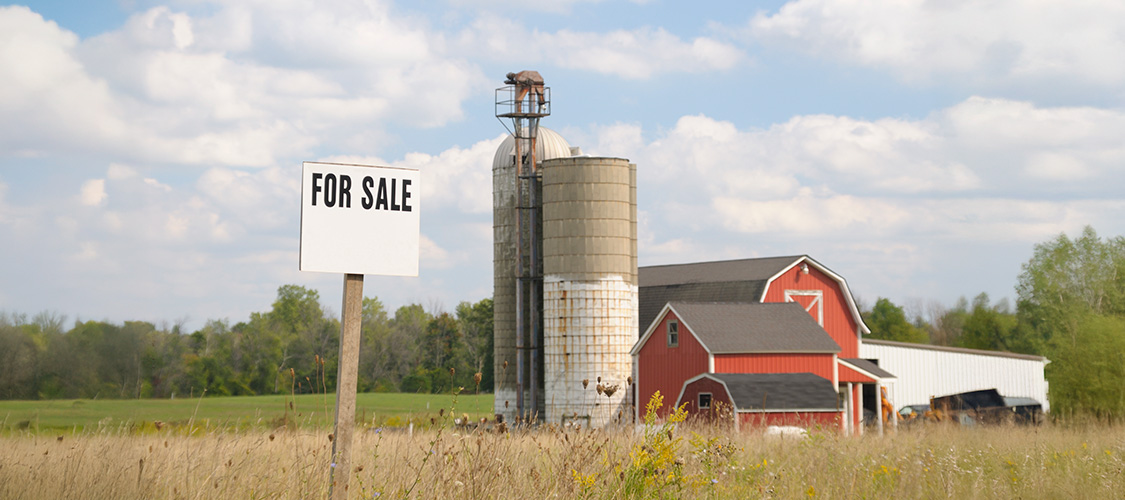
If you’re trying to purchase a home in a rural or more suburban area, you may want to consider a U.S. Department of Agriculture (USDA) loan. These government-backed loans don’t require a down payment, so long as you’re buying a home in a rural, or potentially even suburban, area.
However, they come with income limits, so buyers with higher incomes may not qualify. USDA loans also require an annual mortgage insurance payment and a few upfront fees.
Who should consider a USDA loan? Those hoping to buy homes outside of cities in more rural and suburban areas.
Non-qualified mortgages
If you’re a small business owner, gig or contract worker, investor, or anyone else who doesn’t receive a W-2 form for their tax returns, you may want to consider a non-qualified mortgage.
Non-QM loans allow homebuyers to provide bank or profit-loss statements to verify their income and ability to repay debt, rather than W-2s. This type of loan can be a helpful way for those with unconventional incomes to purchase a home.
But non-QM loans come with a few downsides, too. They often have higher fees and mortgage interest rates than other types of loans, along with potentially longer loan terms.
Who should consider a non-QM loan? These loans are designed for business owners, freelancers, investors, gig and contract workers, and those who don’t receive a W-2.
Adjustable-rate mortgages
Adjustable-rate mortgages, known as ARMs, typically offer lower interest rates for the five-, seven-, or 10-year introductory period. Then rates adjust based on the current market up to a certain cap. This can provide homebuyers with lower mortgage payments for the first years of their loans.
When the rate adjusts, the size of your monthly payments can fluctuate. That’s why many homeowners refinance into fixed-rate loans or another ARM where rates are fixed for a set stretch of time.
ARMs are “worth considering when the individual is planning to move or refinance in the near future because preliminary rates are usually lower,” said Wagner.
Who should consider an adjustable-rate mortgage? Homebuyers who want lower mortgage payments in the first years of their loans who plan to eventually refinance or sell their homes before their rate adjusts.
Jumbo loans
Jumbo loans are best for buyers purchasing pricier homes or properties in more expensive areas. These mortgages exceed the size limits set by Fannie Mae and Freddie Mac. In 2026, this is typically homes purchased for more than $832,750 or up to $1,249,125 in pricier areas.
The downsides of these larger loans are they often come with stricter credit and down payment requirements. Homebuyers seeking a jumbo loan typically need a credit score of at least 700 and a down payment between 10% and 20%. Jumbo loans may have higher interest rates than other loans, although they can be comparable, or even less, in certain circumstances.
Who should consider a Jumbo loan? Borrowers purchasing more expensive homes or shopping in pricey areas.
Author


 Smart Moves Start Here.