Homebuyers
Are Price Cuts on Homes Deals—or Red Flags?
May 21, 2026
These days, it’s not uncommon for a seller to cut the price tag on a home. But many homebuyers are wary of price reductions.
While a property with a slew of markdowns may be a red flag, it can also create an opportunity to negotiate a great deal.
“Buyers tend to think that once the listing price gets reduced, there is probably something wrong with a home,” said Greg Field, real estate agent at HomeSmart Realty Pros in Phoenix, Ariz. “Most of the time, however, it’s the opposite case.”
Most homes that undergo price cuts are simply priced too high based on the current local market, he said.
Understanding why sellers lower their asking prices can help you tell the difference between a warning sign and a potential bargain.
Why prices are cut on homes
There are several reasons a home’s asking price may be reduced. This can be because the property was initially overpriced or a life event involving the seller triggers the need for a rapid sale.
Below are some of the most common motivations for cutting the price on a home.
Initial home price was too high
The right price is important when selling a home. But sometimes, a seller will test the waters by listing it for far higher than its market value. They may have also seen the high prices paid during the pandemic and not understood that the market has since shifted.
“Once it becomes evident there are no buyers, the seller will [often] make a strategic move and lower the asking price,” Field said.
Life events may impact price cuts on a home
Divorce, job relocation, a new baby, elderly parents moving in with them, and other events may require some sellers to sell their home as soon as possible.
A price cut may help attract buyers faster and speed up the sale, even if it means the sellers are accepting less than they originally planned.
Builders may have too many homes for sale
If a new-construction home has been on the market for a while, a builder may discount it. Builders are rarely as emotionally attached to new homes as sellers who live in the properties.
Lowering the price may help the builder avoid the ongoing expense of unsold properties.
Rising utility or mortgage rates may result in a lower home price
If utility providers are expected to raise rates or mortgage rates have recently increased, properties may be less affordable for buyers.
“To combat this, some sellers might reduce prices to improve marketability,” said Field.
Warning signs to look out for when a home undergoes a price cut
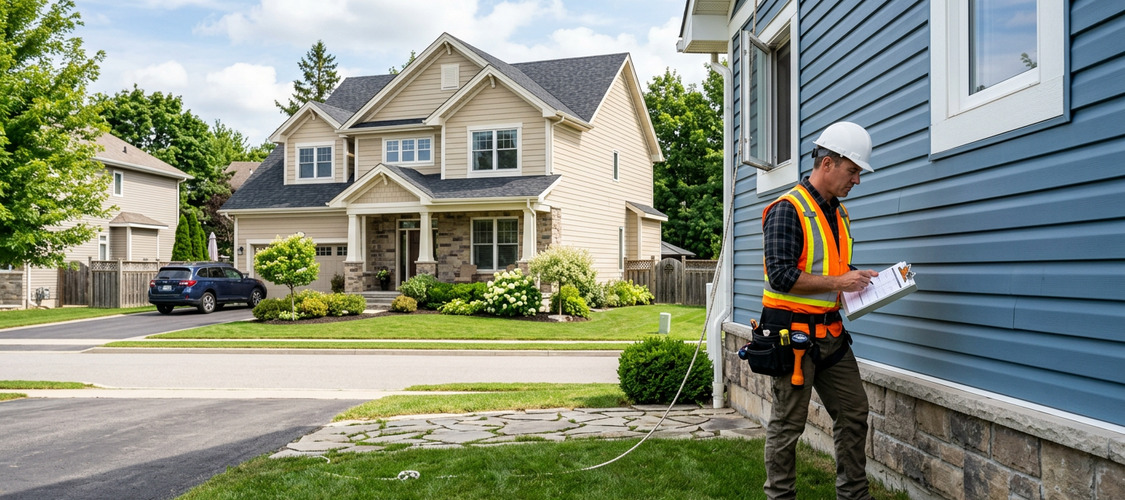
Sometimes, there is nothing wrong with a home that undergoes a price cut except that the initial price was too high. Other times, it could be a red flag signaling there’s an issue with the property.
While price reductions can be advantageous for buyers, there are various signs you should watch out for as you consider the offer.
The property was under contract multiple times
If a home has been through multiple contracts with different buyers, there’s a good chance there’s a serious issue found during the appraisal or home inspection.
In this case, it’s best to learn what happened, if the problem is something you want to deal with, and choose whether to continue your search or not.
Issues with short sales or foreclosures
With short sales or foreclosures, you may face a lengthy approval and closing process. That’s because the lender is the one selling the property.
“It can take several months for lenders to review and approve the transaction,” said Field.
That can lead to less buyer interest, potentially triggering a price cut.
The home’s systems are aging
Price cuts are a common strategy used to help sell homes with an older roof, heating and air conditioning systems, electrical, and plumbing systems.
That’s because these issues are often costly to fix or replace. So, the seller may cut the home price to make the property more attractive and free up additional funds for the buyers to do the work.
How homebuyers can further negotiate with sellers
Beyond the listing price itself, you may be able to secure additional benefits if you understand how to negotiate effectively. You can ask for the following:
Permanent or temporary mortgage interest rate buydown
Mortgage rate buydown requests have become popular lately. This is when the seller pays to temporarily buy down your mortgage rate for the first few years of homeownership.
For example, if you had a 2-1 buydown on a mortgage with a 6.5% interest rate, your first year you would have a 4.5% rate (two percentage points lower than your contract rate) and a 5.5% rate in the second year (one percentage point lower.) Then the loan will revert to the 6.5% rate for the remainder of your mortgage.
“Such a move [may] save you more money compared to reducing the price,” Field said.
Closing cost credits
Closing cost credits are a strong play right now. This is when a seller contributes to the buyer’s closing costs.
The seller nets the same amount for the home, but the buyer walks in with more cash in hand. In many cases, it’s easier for a seller to say yes to a credit than to reducing the price once again.
Efficiency upgrades
It can’t hurt to ask a seller to upgrade to more energy-efficient systems. They can lead to lower utility bills and save you a lot of money in the long run.
Repair credits
A repair credit does not mean asking the seller to make repairs. Instead, it involves negotiating for them to pay for hiring a contractor who can complete the work on the home after closing.
Author




 Stay one step ahead