
Homebuyers
Buying a Home This Spring? Here’s How to Succeed in a Competitive Housing Market
February 13, 2026
The housing market is finally becoming a little kinder toward homebuyers. In the last year, mortgage rates have dropped by nearly a full percentage point and home prices have slowed their rise and are even falling in some markets.
That’s good news for buyers, but it’s also bad news. As temperatures heat up this spring and families become motivated to move before the start of the next school year, the housing market will become more competitive.
If you plan to buy a home this spring, be prepared for fast sales, bidding wars, and competing with all-cash buyers.
“In a competitive market, buyers need to be strategic,” said Realtor Alexei Morgado, who is also the founder and CEO of Lexawise, a real estate exam preparation company. “Having a pre-approved mortgage letter from a lender demonstrates that you are a serious buyer with financial capacity.”
“[You can also] analyze data on properties for sale and recent closings in that micro-area so you don’t submit low or weak offers,” said Morgado.
A hot housing market doesn’t mean you have to accept defeat. It just means you need to get a little more creative to make your offer stand out. Here’s how to do it.
Show home sellers you’re serious with a mortgage pre-approval letter
A mortgage pre-approval letter is the number one way you can show sellers you’re serious about buying and will be able to get the financing to back it up.
You may be able to get a loan pre-approval letter from your lender before you start shopping. The lender will review your credit report and verify your income, assets, and debts. If you’re approved, you will receive a letter stating how much you’re approved to borrow.
If you and another buyer make the same offer on a home, but only you have a pre-approval letter, sellers are more likely to accept your offer. That’s because of the added confidence the sale will go through.
Buy a home with cash, if you can
Home sellers who want a fast close, fewer closing costs, and no appraisal contingencies are much more likely to accept an all-cash offer over an offer for the same amount with financing.
Buyers who don’t have that kind of money on-hand may be able to work with a lender who will help them purchase the home in cash and then get a loan for that amount.
“Cash offers are very attractive because they involve fewer variables and a lower risk of the deal falling through,” said Morgado.
Plus, some sellers may be willing to accept a slightly lower offer if it’s all cash. That means you could offer a little less than another interested buyer and still potentially win the bidding war.
Be open to fixer-uppers (and don’t expect sellers to fix everything for you)
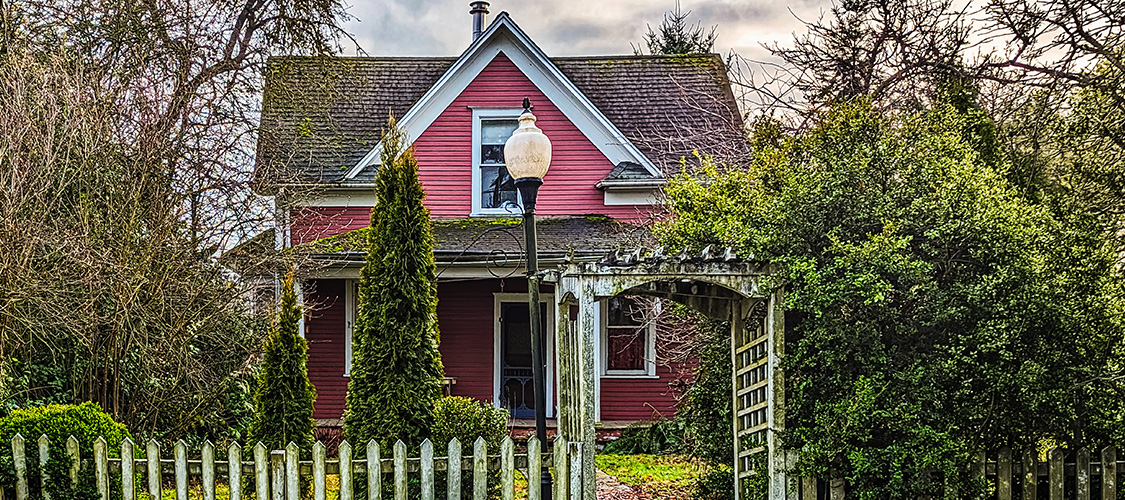
Many buyers want something move-in ready as they may not have the time (or budget) to tackle moderate to major home renovations. That makes fixer-uppers a little easier to get when the market heats up, as there is less demand for these homes.
However, when the inspection report comes back, be prepared for issues.
In a buyer’s market, where you hold the upper hand, it’s reasonable to ask the sellers to knock down the price or address the issues before closing. But in a seller’s market, you have a lot less power.
That doesn’t mean you can’t ask for any price adjustments or repairs, especially if the report includes major red flags.
But it does mean you should pick and choose your battles. An FHA 203(k) loan can provide qualified borrowers with the funds to buy the home and make renovations.
Just be prepared to roll up your sleeves and get to work when you buy a fixer-upper.
Consider waiving a home inspection and appraisal, but understand the risks
Getting a pre-approval letter and paying with cash aren’t inherently risky (if you can afford to pay with cash, that is). But things get a little dicey when you agree to waive a home inspection or appraisal.
Waiving a home inspection
A home inspection is your chance to have professionals inspect a home from top to bottom. The inspection report is valuable. If it comes back with several issues, you can use it to back out of the purchase or negotiate with the seller, either asking them to fix problems or reduce the price.
Waiving the inspection leads to a faster close and gives the seller more confidence that the sale will go through. It also saves you some money. Home inspections typically cost at least a few hundred dollars.
The problem? You could be buying a home with a lot of hidden problems. Those problems can be extremely expensive to fix.
It’s seldom advisable to skip the inspection on an older home, a home with vague seller disclosures, or a home being sold without professional representation (for sale by owner).

However, you may want to consider waiving an inspection for:
- New construction homes from reputable builders
- Homes for which the sellers have paid for and provided an inspection report (proceed with caution here, though)
- Homes with detailed and transparent disclosures
Proceed very carefully. Waiving an inspection can be a very costly decision.
Waiving a home appraisal
The home appraisal is a part of the loan underwriting process that helps confirm the home is worth what you’ve agreed to pay for it. Skipping the appraisal can expedite closing and give your offer an edge.
However, if the home is appraised for less than your offer, you will be on the hook to come up with the difference. That could be a lot of money. So, you need to be both comfortable and financially able to provide that cash in a pinch.
But remember: An appraisal is an important protection for you as the buyer; it ensures you don’t overspend.
You should also check with your lender to see if they require an appraisal. Appraisals are usually conducted through the lender, which contracts an appraiser to review the property to determine whether the sales price matches the value. The lender may still require an appraisal, regardless of whether you want to skip it or not.
“I generally advise against waiving them unless the buyer is financially prepared for the worst-case scenario,” said Morgado.
Add an escalation clause to your offer on a home
Another move that could make your offer on a home stand out in a competitive market is adding an escalation clause. An escalation clause indicates that, should the seller receive a competing offer, you’re willing to spend $X more, up to $Y, to beat out the highest offer.
For instance, if you make an offer for $400,000, your escalation clause may indicate you’re willing to spend an additional $2,500 above any other offer, up to $425,000.
This helps you beat out competing offers and demonstrate how serious you are to the seller.
“[However,] the buyer must ensure they set a price ceiling they’re willing to accept, thus avoiding getting caught up in a bidding war,” Morgado advised.
Understand the home seller’s motivations
Perhaps the easiest way to improve your odds of getting your offer accepted is to understand the home seller’s priorities.
“A quick conversation [with the seller’s agent] can reveal whether the seller is motivated by timelines, price, or contingencies,” said Morgado.
Buyers can also read between the lines using publicly available data. Reviewing the number of days on the market, the frequency and size of price reductions, and whether similar homes nearby continue to sell quickly are all indicators of a seller’s leverage,” he said.
Your real estate agent can then help you adjust your offer accordingly to improve your chances of winning the bid.
Author




 Smart Moves Start Here.