Homebuyers
Buy the Worst House on the Best Block with a Home Renovation Loan
January 2, 2026
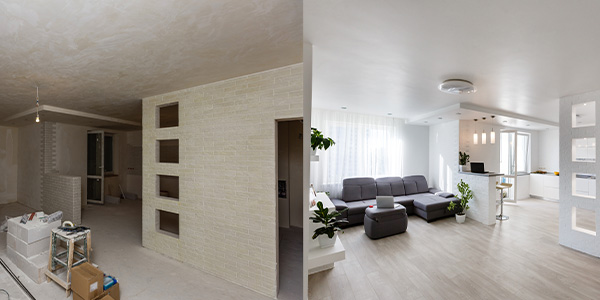
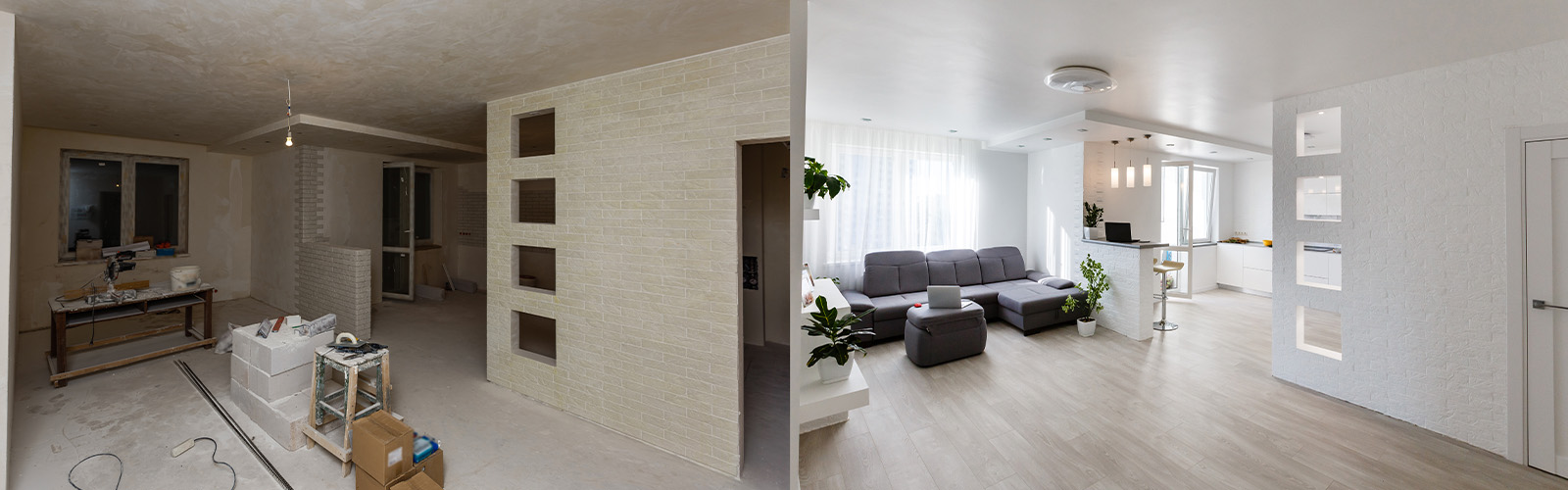
With home prices high and a limited number of homes for sale, many cost-conscious buyers have set their sights on fixer-uppers. These homes hold promise but often need a lot of love (and renovations).
The good news? Fixer-uppers are often far more affordable than homes in perfect condition. The bad news? You may have to reach deep into your own pockets to cover the costs of rehabbing and renovating the property—unless you pay for the work with a home renovation loan.
A home renovation loan allows you to finance both the cost of the home and the cost of the remodeling and repair work with a single mortgage. This could potentially save you time and money.
“The main advantage of a reno loan vs. a second, higher-interest-rate loan is the lower interest rate,” said Carryne Latada, a sales manager at New American Funding based in Brea, Calif.
While mortgage rates remain higher than many would like, they’re still more affordable than rates for personal loans, home equity loans, and home equity lines of credit. It’s often cheaper to fund renovations using a loan with a mortgage rate, rather than a higher-rate option.
Below, we’ll explore the various home renovation loan options, including VA renovation loans and FHA 203(k) loan.
Home renovation loans can help you transform your fixer-upper
There are a few different types of home renovation loans that may help you purchase a fixer-upper. Your loan officer can talk through your options with you if you’re interested.
VA renovation loans can be used for fixer-uppers

Eligible U.S. military servicemembers and veterans (as well as surviving spouses in some circumstances) have access to one of the most advantageous mortgages available: a VA home loan.
These loans let you buy a home with zero money down and without having to pay private mortgage insurance. Mortgage rates are slightly lower than standard rates, as well.
The U.S. Department of Veterans Affairs also backs home renovation loans for servicemembers and vets. These loans (colloquially referred to as VA renovation loans, VA rehab loans, VA home improvement loans, etc.) combine financing for the home and repairs into a single mortgage.
The process can seem daunting, so it’s important to work with a lender that specializes in VA loans. They’ll walk you through the details, but here are some of the key points:
- The max borrowing amount is the estimated “as-completed” home value. This is calculated using quotes from a contractor and the VA home appraiser.
- The home must become your primary residence, and contractors must be approved by the VA.
- Repairs are capped at $50,000.
- You can’t completely gut the home and start over. Additionally, repairs can’t be purely cosmetic (like new kitchen cabinets and fixtures.) Rather, you can improve aspects of the home that are in poor shape, such as the windows, roof, or flooring.
FHA 203(k) loans are popular mortgages for fixer-uppers

Another home renovation loan option, not limited to military members, is the FHA 203(k) loan. It’s backed by the Federal Housing Administration. If eligible, you can choose either:
- A limited 203(k) for minor repairs or improvements (limited to $35,000)
- A standard 203(k) for major (and costly) rehab work and repairs
As with the VA rehab loan, an FHA 203(k) loan is based on the as-completed value of the home. While many of the requirements are similar to a traditional FHA loan, a 203(k) loan adds some complexity.
For instance, you’ll need to work with a contractor to draft a write-up detailing the improvements you’ll make to the home and the estimated costs.
If approved, the funds for the renovations will be placed in an escrow account. As the contractor completes work, the funds will be released to cover the costs. All work must be done within six months.
Similar to VA home renovation loan, there is a lot of fine print. Work with a real estate agent, contractor, and lender who are all versed in the FHA 203(k) loan program to ensure you meet all the requirements.
Pro tip: If you’re a current homeowner and you want to make significant improvements to your home, you can refinance with an FHA 203(k) to cover the costs.
Fannie Mae and Freddie Mac renovation loan options
VA and FHA loans aren’t your only path to financing a fixer-upper. Both Fannie Mae and Freddie Mac have home loans to help you finance both the cost of the home and the renovations:
- Buyers can get a HomeStyle Renovation loan through Fannie Mae to cover repairs and restoration, accessory dwelling units, and landscaping.
- Buyers can get a CHOICERenovation loan through Freddie Mac for home improvements and repairs.
Fannie and Freddie do not originate loans themselves. Rather, they buy loans from mortgage lenders. Talk to your loan officer to see if using either Fannie or Freddie’s program makes sense for you and your family.
Advantages of using a home renovation loan

Using a home renovation loan to fund both the home purchase and the renovation work offers a number of unique benefits, including:
One single loan
A home renovation loan allows you to make one single monthly payment toward both the home purchase and the rehab work.
Lower interest rate
While you can use an unsecured personal loan to finance home improvements, these often have higher interest rates. Even loans backed by your home (such as HELOCs) have higher rates than a home renovation loan.
Cash reserves
You may have the money in savings to cover the cost of the renovation. But financing through a home renovation loan allows you to keep that cash for emergencies or invest for high returns in the stock market.
“When it comes to a purchase of a home that the client will be occupying for at least five years, I let them know that putting the least amount of money at closing [may be] the best financial choice,” said Latada. “Their (extra down payment) money invested elsewhere will likely outweigh the monthly savings they’ll see in their housing payment.”
Just note that it’s nearly impossible to guarantee investment returns and not all investments are profitable.
The home you want for less
Rather than taking out a huge mortgage for a home that is move-in ready but doesn’t tick all your boxes, a home renovation loan lets you buy a fixer-upper and transform it into the home you always wanted.
Potential pitfalls of using a home renovation loan
There are some potential drawbacks to using a home renovation loan to finance the home purchase and improvements:
Limitations
Depending on which type of renovation loan you choose, you may be limited to only certain types of repairs and improvements, or be capped at a max dollar amount.
Complex process
The mortgage process is admittedly more challenging to navigate when you include renovations. You can minimize this concern by working with lenders who regularly work with these types of loans.
“The most important piece of the puzzle is the chosen general contractor, or GC,” explained Latada. “The GC must fulfill all the reno loan requirements and become approved by our vetting department prior to us moving forward on the loan piece. If the GC drags their feet, the whole loan process is delayed accordingly. What I tell my clients is to choose their GC wisely.”
Carryne Latada NMLS #327779
Author



 Smart Moves Start Here.