

Homeowners
Homeowners, Lower Interest Rates are Making Cash-Out Refinances More Affordable
September 29, 2025
As mortgage rates finally begin to ease, many homeowners are wondering if now’s the right time to tap into their home equity.
Those lower rates are making it cheaper to take out a home equity loan, such as a cash-out refinance. For those juggling credit card balances with 20% interest rates, or facing big expenses like tuition, renovations, or medical bills, these loans could free up needed cash.
Cash-out refinances allow you to trade in your existing mortgage for a new, larger loan and then pocket the difference using your home equity as collateral.
Refinancing when rates are falling can feel tempting, but you must weigh the trade-off between keeping your existing mortgage rate, which may be lower than what’s available today, or tapping into your home equity to pay off debt or cover big expenses.
“A cash-out refinance makes sense for someone if they have a need,” said Debra Malcolm, a sales manager at New American Funding based in Windsor, Conn. “If keeping [a lower] interest rate is preventing someone from putting their kids through college, adding that addition to move in their elderly parents, or consolidate credit cards that are costing 20 to 30% in interest, to me it’s a no brainer [to consider a cash-out refinance.]”
That’s why it’s important to explore your options.

Should you get a cash-out refinance on your home?
A cash-out refinance can be a smart move when homeowners need money for major expenses or to escape crushing debt. It’s a way to access cash when other borrowing options carry steeper costs.
The challenge is that refinancing often means giving up a lower mortgage rate locked in years ago. Even with lower rates, you need to figure out if consolidating debt into one payment provides enough relief to outweigh the long-term cost of a higher rate.
“Often a refinance will consolidate everything into one lower rate and one payment,” said Malcolm. If you’re getting rid of higher-interest credit card or other debt, this can save you money each month. “That extra cash flow can make all the difference.”
New American Funding loan consultant Eva Melgarejo, based in Long Beach, Calif., recently helped a family in need of debt consolidation.
“Although the interest rate on their home loan increased from 4.5% to 6.5%, they were able to save close to $1,600 a month by eliminating their [other] debt,” she said.
In the right situations, a cash-out refi can be the tool that turns a financial burden into breathing room.
When a cash-out refinance may not be a good choice for homeowners

Refinancing isn’t always the right answer. Sometimes it can cost more than it saves.
If you already have a very low mortgage rate and don’t carry high-interest debt, tapping into equity might put you in a worse financial position. It can also backfire if the funds are used for short-term lifestyle expenses instead of long-term needs.
“If you have a loan with a low interest rate, carefully examine your options,” said Melgarejo.
Taking out a second mortgage, Home Equity Line of Credit, or even a personal loan may be a better choice in some situations.
What to consider about a second mortgage
For some homeowners, a second mortgage (also called a home equity loan) may be a better choice than refinancing their primary home loan, especially if you have a low rate.
Second mortgages, which are secured by your home’s equity, can help borrowers access cash without touching their original mortgage. While they often come with higher interest rates, the upfront costs are usually lower than a full refinance.
And today’s rates are still lower than they were earlier this year, so borrowers can still take advantage of falling interest rates.
However, homeowners should keep in mind that risks include juggling two monthly payments.
“A second mortgage is … a great option for those homeowners who have a very low interest rate on their current mortgage and would like to consolidate debt, remodel, or assist a family member to purchase their home,” said Melgarejo.
For the right homeowner, a second mortgage can strike the balance between keeping a low-rate loan intact and still unlocking home equity.
Should homeowners take out a HELOC?
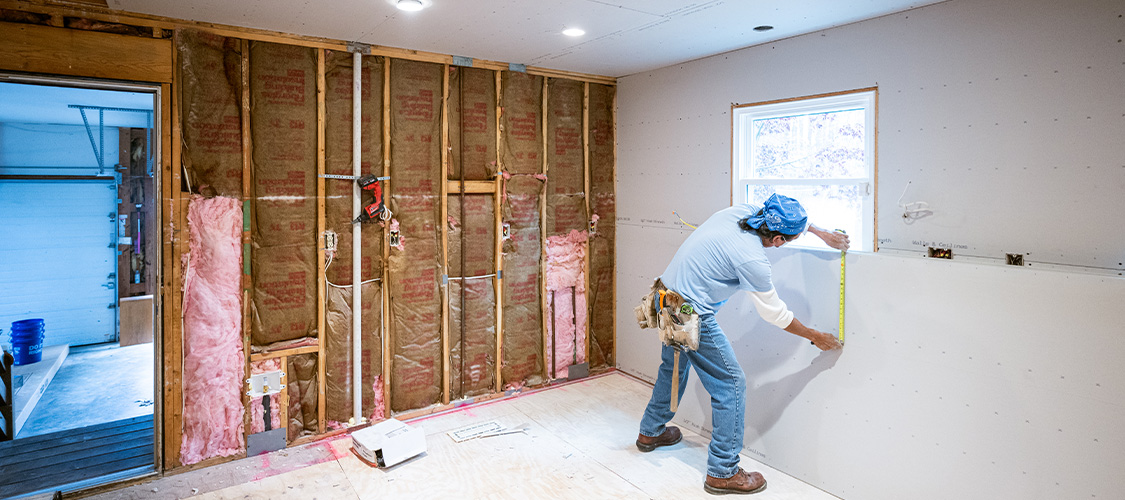
Sometimes flexibility is more important than a lump sum of cash. That’s where a HELOC comes in.
A Home Equity Line of Credit functions a lot like a credit card. It allows borrowers to tap into their home equity as needed, up to a certain amount, during the draw period. This period generally lasts five to 10 years. You only pay interest on the amount you use.
Then you pay the money back over 10 to 20 years, according to your loan terms.
The rates on these loans are more closely tied to the U.S. Federal Reserve’s benchmark rates than to mortgage rates. So, rates are expected to come down for these loans, making them more affordable for homeowners.
This option often works best for smaller amounts, phased expenses like tuition, or renovations spread out over time. But these loans generally have variable interest rates. That means payments can rise, so budgeting is key.
“A HELOC may make more sense for a homeowner when they need a small amount, I would say $50,000 or less, and they have a means to pay it off in fully,” said Malcolm.
Melgarejo added that homeowners should also look for early termination or pre-payment penalties and the potential maximum interest rate the loan can reach. This can help protect you financially.
But for homeowners who want flexibility without refinancing their whole mortgage, a HELOC may be a good option.
Making the right move for your finances
Whether it’s a cash-out refinance, a second mortgage, or a HELOC, the best option depends on your personal goals and finances.
Lower interest rates can make these loans more appealing (and affordable.) But the best move is the one that can free up cash, while protecting your long-term financial health.
Debra Malcolm NMLS # 19991
Eva Melgarejo NMLS # 1525876
Author



 Smart Moves Start Here.