

Homeowners
Considering a Cash-Out Refinance? How Your Home May Be Able to Help You Pay Your Bills
January 8, 2026
Homeowners often don’t realize that they may be able to use the equity they have built in their homes to help pay their bills.
One way to tap into your home equity and put it to use is through a cash-out refinance. This is when you trade in your existing mortgage for a larger, new mortgage and pocket the difference.
The strategy may free up funds you can use for whatever reason you want, to pay off debts, make home improvements, cover a large expense, or something else entirely.
“Paying off high-interest credit card debt is most common use of cash out refinancing that I see,” said Amber Ernst, a sales manager at New American Funding. She’s based in Bettendorf, Iowa.
“Also, homeowners sometimes want to consolidate several debts into one payment to simplify things and lower their interest rate,” said Ernst.
How does a cash-out refinance work?
A cash-out refinance replaces a homeowner’s existing mortgage with a bigger, new loan. You can keep the difference between the two loan amounts at closing. Then you pay the new mortgage back each month, just like how you did with your previous mortgage.
This is different from a Home Equity Line of Credit (HELOC), which is a revolving line of credit that homeowners may be able to use. It often has a higher interest rate than cash-out refinances.
For cash-out refinances, lenders will often loan qualified borrowers up to 80% of a home’s value minus what they owe on their existing mortgages.
Say your home is worth $400,000 and your outstanding mortgage balance is $200,000. You could take out a new mortgage for $320,000 (80% of $400,000) and use $200,000 of this to pay off your mortgage balance. That leaves you with $120,000 as a lump-sum cash payment if you qualify.
What are the pros and cons of cash-out refinances?
One of the biggest benefits of a cash-out refinance is homeowners can tap into their home’s equity without having to sell the property.
“Many customers I’ve worked with have used the funds from a cash-out refi to restructure and improve their monthly finances,” she said. “For example, one borrower paid off about $80,000 in high-interest credit card debt. [This] saved him about $2,000 a month in credit card principal and interest payments.”
These loans can help homeowners with lots of equity who are carrying high-interest debt.
However, there are some drawbacks to cash-out refis that you should consider.
For starters, it will increase your both your mortgage balance and the size of your monthly payments while reducing your home equity.
You will also have to pay closing costs and fees just like with a traditional mortgage.
And you’re potentially “resetting the clock” on your home mortgage and extending the length of the loan.
For example, take a homeowner who has been making payments on a 30-year mortgage for 15 years. Then they take out a new 30-year mortgage via a cash-out refinance. This means they will be making mortgage payments for 45 years.
They could avoid this by opting for a 15-year term on the new mortgage if they can afford the higher monthly payments that typically come with shorter loans.
How do most people use the funds from cash-out refinances
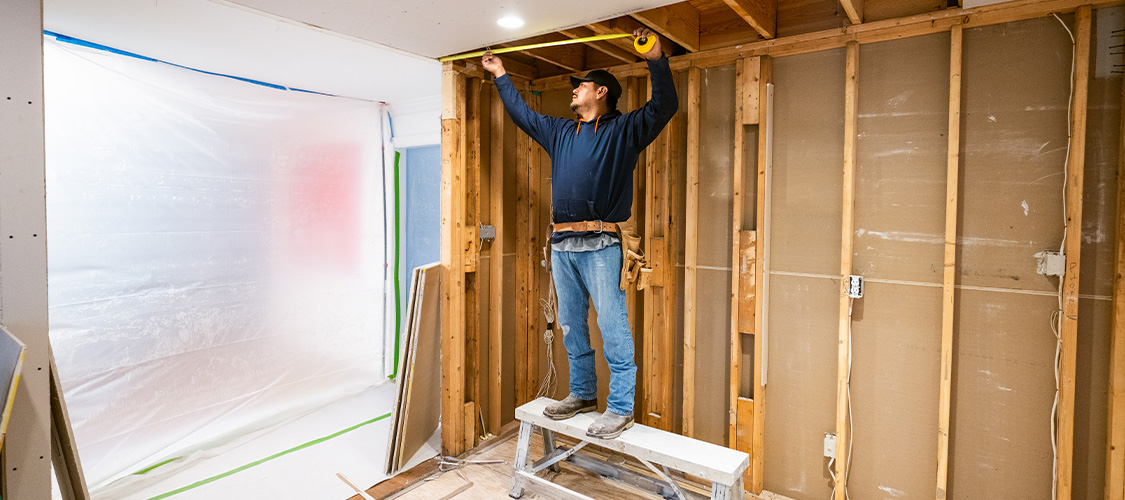
Here are a few of the most common ways that people use the money they receive through cash-out refinances.
- Debt consolidation: The interest rate on the new mortgage will likely be lower than the rate charged on credit cards. This makes cash-out refinances an attractive option if you’re carrying high credit card balances. Instead of making several different credit card or other debt payments, you can consolidate them into a single payment, which may simplify your finances.
- Large expenses: The money from a cash-out refinance can be used to pay for large expenses such as medical bills, a wedding, higher education, starting a business, or even a dream vacation.
- Home improvements: You may want to use a cash-out refinance to fund renovating your kitchen or primary bathroom, finishing the basement, building a new deck, landscaping the backyard, installing a new heating and cooling system, replacing the roof, or other projects.
Does a cash-out refinance make sense for you?
Every homeowner’s financial situation and goals are different. That means there’s no one-size-fits-all answer to whether a cash-out refi makes sense for you.
“We help customers look at their overall financial picture, such as how much home equity they have, their current loan term and interest rate, any other debts they’re carrying, and what they’re trying to accomplish,” she said. “Answering these questions helps homeowners make the right decision for them.”
Amber Ernst NMLS # 406037
Author




 Smart Moves Start Here.