
Homebuyers
The No. 1 Reason You Might Not Want to Root for Falling Mortgage Rates
October 1, 2026
Today’s mortgage rates may not be anywhere near their record highs of more than 18% in the early 1980s. But interest rates are high enough that some potential homebuyers may be hesitant to make an offer.
However, homebuyers likely don’t want rates to drop to pandemic-era lows below 3%. That's not only unlikely, but also a bad sign for the economy. Typically, rates only drop substantially during a downturn when unemployment surges.
“In most cases, a big rate drop is tied to a recession,” said R.J. Weiss, a certified financial planner and founder of The Ways to Wealth.
Most homebuyers probably don’t want to cheer for record-low rates to reemerge at the expense of the economy.
"Interest rates are a lagging [economic] indicator," said Weiss. "They are not the first thing to move, so when we see the [U.S. Federal Reserve] make drastic changes, they are reacting to what is already happening."
What would it take to get super-low mortgage rates again?
Historically, it's been major, negative global events like 9/11, the Great Recession, and the pandemic that led to rate drops in the past.
"Big drops are usually a sign of a pretty quick downturn," said Weiss.
That means a significant rate drop would likely be in response to mass unemployment and rampant inflation. While that might make homeownership seem more accessible, families would feel the strain in other ways, from job loss to higher grocery bills to major losses in their retirement portfolios.
Many would-be homebuyers would be likely to hold off making what could be the largest purchase of their lives because of all the economic uncertainty.
Buyers and those hoping to refinance their loans should hope for a gradual decline in mortgage rates, in line with a strong economy.
Why did mortgage rates plummet in the early pandemic days?

Mortgage rates dropped so quickly during the pandemic in part because the U.S. Federal Reserve stepped in to lower the Federal Funds rate. This led to a steep decline in mortgage rates.
In the early days of COVID-19, millions of Americans lost their jobs. So, in March of 2020, the Fed cut interest rates to near zero to stimulate the economy. Within a few months, mortgage rates fell to record lows in the mid- to high-2% range, according to Freddie Mac data.
The low rates spurred a housing rush from buyers, with home prices surging.
In January 2021, mortgage rates fell to an all-time low of 2.65%, according to Freddie Mac. The typical existing home sold for $311,900 that month, according to the National Association of Realtors.
By late October 2023, existing home prices had climbed to $396,000 and mortgage rates soared to 7.76%.
So, what was behind this rollercoaster in rates? When businesses shut down across the globe in response to the pandemic, economic progress stalled, and the Fed cut rates to jumpstart the economy. That led to lower mortgage rates.
But then inflation soared. The Fed hiked rates to slow inflation down. Mortgage rates jumped in response.
Mortgage rates are now above 7%, according to Freddie Mac data.
How are mortgage rates calculated?
Mortgage rates are based on many factors. The rate you’re offered is tied to your credit score, the home price and loan size, the size of your down payment, the type of home loan, and the length of your loan.
But the biggest factor affecting mortgage rates is something over which you have no influence: the U.S. economy.
The 10-year Treasury yield
Mortgage rates follow the 10-year Treasury yield, which is the interest rate the U.S. government pays to borrow money for 10 years. Mortgage rates typically hover above that rate. This protects the investments of lenders.
The Fed’s benchmark rate
Mortgage rates aren’t as directly tied to whether the Fed hikes or cuts its benchmark interest rate. Still, mortgage rates tend to rise and fall in anticipation of the Fed’s upcoming moves.
“Significant drops [in the federal funds rate] have historically meant that the Fed is responding to fairly severe economic events, such as a large jump in unemployment or a severe tightening in consumer spending,” said Weiss.
Should you wait for mortgage rates to drop before buying a home?
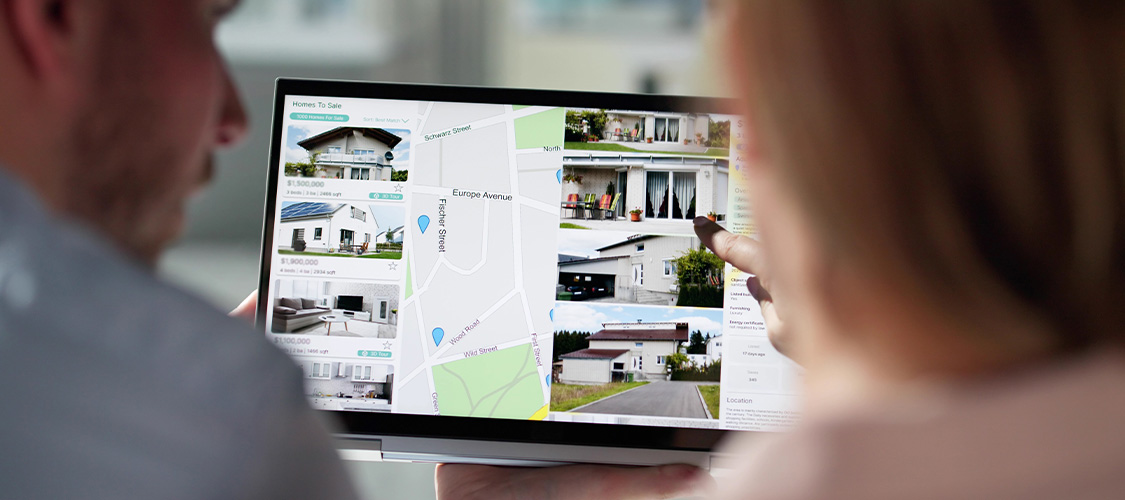
Buying a home with a high mortgage rate might not sound appealing, especially if you have friends and family who locked in a much lower rate a few years ago. But waiting for rates to drop may not be the best idea either.
- You might be waiting a while. And in the meantime, if you’re a renter, you’re paying a landlord every month rather than building equity in a home you own.
- Home prices could get even higher. Home prices have finally cooled after years of sharp increases, but that doesn't mean they’re about to come back down. In fact, when interest rates drop, more people jump into the market, which means more competition. This creates a seller’s market, where home prices may go up.
"More often than not, lower interest rates improve affordability," Weiss said. "[But] you get more homebuyers being able to qualify, and with limited [housing] supply, that puts upward pressure on prices."
If you're ready for homeownership now, you may not want to wait for rates to drop down the road. If you have the funds for a down payment and are ready to start building equity, you can buy today—and refinance your mortgage if rates drop in a few years.
"Buying a home you can afford at today's prices gives you the option to refinance later," Weiss said. "There is a benefit to acting now if the home fits your long-term plan."
Author


 Stay one step ahead