

Homebuyers
A 680 Credit Score: Is It Good Enough to Buy a Home?
September 29, 2026
You’ve likely heard that you should boost your credit score before buying a home. But if you've been holding off until your score hits 700, you may be waiting longer than necessary.
Home shoppers with a 620 credit score or higher are often able to qualify for a mortgage.
Whether you’re able to secure a mortgage will depend on the loan you choose and your other financials, including your income and how steady it is, your savings, and the amount of debt you have compared to your earnings.
“A 680 credit score is not going to hold you back,” said Kelley Sullivan, a sales manager at New American Funding based in Savannah, Ga. “I wouldn’t wait to try and get your score above 700 before you buy, because time is money. And you could be gaining [home] equity while you're waiting.”
This is what homebuyers with a 680 credit score should know.
Is 680 a good credit score?
A 680 credit score falls in the “good” range. While it’s short of the highest possible score of 850, that may not matter as much as you might assume when getting a loan.
Generally, those with the highest scores can get the lowest mortgage interest rates and lower loan fees from lenders. That’s because they’re viewed as more likely to make their monthly housing payments on time.
But lenders don’t look at just your score.
How lenders use your credit score
A credit score is just one of the factors lenders consider after you apply for a home loan.
Lenders also look closely at your income, employment history, debt, and the loan-to-value ratio on the home you hope to purchase. (The ratio is how much you need to borrow compared to the value of the property.)
Your credit history matters as well. A low credit score that’s the result of medical collections, for example, will be weighed differently from missed credit card or car payments, Sullivan said.
That’s why your credit score is just one piece of the financial puzzle lenders use to determine whether you qualify for a loan and the size of the loan.
Mortgages for borrowers with 680 and below credit scores
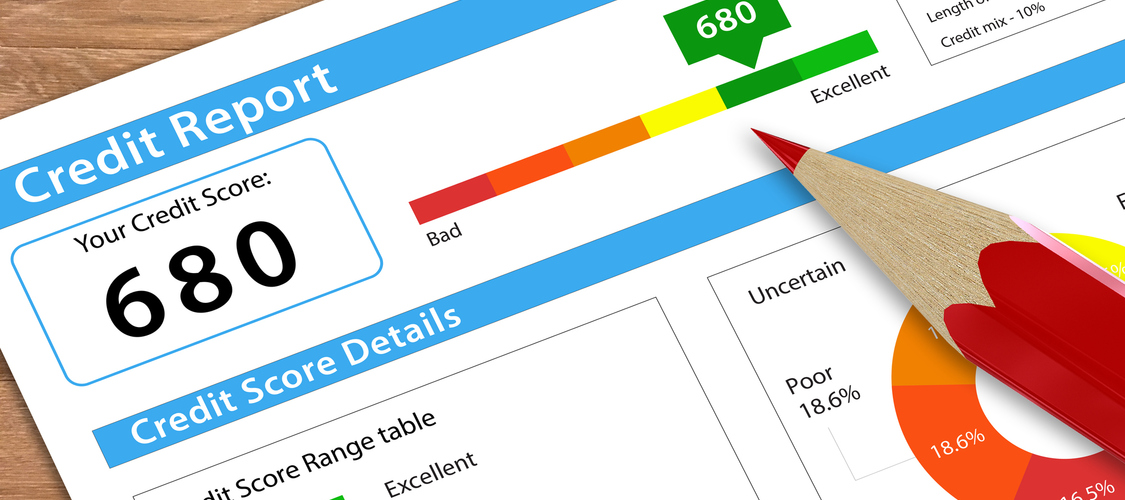
A credit score under 680 doesn’t necessarily put homeownership out of reach. Depending on your finances, several loan programs are available:
- Conventional loans: These Fannie Mae- and Freddie Mac-backed loans may be an option for borrowers with scores in the 600s. Fannie Mae no longer requires a minimum score, although most lenders generally require at least 620. The big advantage of these loans is that borrowers may be able to put down as little as 3% of the purchase price.
- FHA loans: Federal Housing Administration loans are designed to accommodate a wider range of borrowers. FHA guidelines allow borrowers with scores of 580 or higher to put as little as 3.5% down, while scores from 500 to 579 generally require at least 10% down. Lenders may set stricter requirements.
- VA loans: For eligible veterans and servicemembers, the U.S. Department of Veterans Affairs doesn’t set a minimum credit score. Lenders may set their own standards. VA loans also allow qualified borrowers to purchase without a down payment and typically offer lower mortgage interest rates than other types of loans.
- USDA loans: The U.S. Department of Agriculture’s home loan program doesn't set a minimum credit score, although many lenders prefer to see scores of at least 580. Qualified buyers purchasing in eligible rural and suburban areas may be able to receive 100% financing on their loans.
Low-down-payment programs, such as Fannie Mae HomeReady and Freddie Mac Home Possible, may offer additional options for eligible borrowers.
The drawbacks of a 680 credit score
While a 680 credit score may help you qualify for a mortgage, improving your score may save you money.
Credit can affect how much it costs you to borrow money to buy a home. It can even affect how much you pay for private mortgage insurance when you don’t put down 20%.
The impact can become more pronounced with jumbo mortgages. Lenders see these loans as riskier as they’re too large to be backed by Fannie Mae or Freddie Mac. So, credit scores may impact eligibility, pricing, and down payment requirements.
Should you increase your credit score before you buy a home?
A higher credit score is generally helpful before buying a home. However, trying to reach an arbitrary number, such as 700, may not be the best strategy.
Sullivan recommends talking to a lender before paying down large amounts of debt or making other financial moves solely to boost your score. A lender can review your credit and finances and explain which changes, if any, would make a meaningful difference.
“You can have a game plan of what you need to do, what to truly work on,” she said. “A lot of times people think that they just need to pay off everything before they buy a house That’s not necessarily the case.”
For someone with a 680 credit score, the most useful first step may be finding out what you qualify for now. Your score is important, but it’s only one number in a much bigger calculation.
Kelley Sullivan NMLS # 213216
Author




 Stay one step ahead