

Homebuyers
Saving for a Down Payment is Getting Easier—and Help is Available
February 2, 2026
Saving for a down payment has long been one of the biggest challenges for many aspiring homebuyers. Yet it may be getting a little easier for buyers to get over that hurdle.
The typical U.S. household now needs about seven years to save for a down payment, according to a new analysis from Realtor.com. While that may sound like a long time, and it’s a lengthier stretch than it was before the pandemic, it’s a notable improvement from the 12-year peak in 2022.
Homebuyers may also be able to use down payment assistance programs to help them come up with the down payment and closing costs. Some lenders will offer down payment help, as will various state, local, and nonprofit programs.
There are also loans that offer low or no down payments that may be available to them. This can lower the cash needed upfront to buy a home.
“A lot of buyers also feel stuck because they’ve been told they need 20% down. [That] can make homeownership feel completely out of reach,” said Mosi Gatling, senior vice president of Strategic Growth and Expansion at New American Funding. “But that is not the case.”
Here’s what’s changing in the housing market and how assistance programs are helping buyers get closer to buying a home.
Why the down payment timeline is shrinking
It’s getting easier to come up with a down payment for a home thanks to slowing price growth. Additionally, competition has decreased in many markets, leading to fewer bidding wars and offers over the asking price.
As a result, typical down payments have declined from their peak.
Even so, saving enough to put toward a down payment still takes longer than it once did.
The typical down payment, based on roughly 13% of a home’s purchase price, has more than doubled since 2019, according to Realtor.com. It rose from about $13,900 in the third quarter of 2020 to roughly $30,400 by the third quarter of 2025.
It may be easier to save up for a down payment in the Midwest and South
In many costly coastal cities, the expense of making a down payment remains daunting. In California markets like San Francisco, San Jose, Los Angeles, and San Diego, saving for a typical down payment can take 20 to 35 years or more.
That’s because home prices far surpass what many locals earn.
The picture looks very different across much of the South and in areas where buyers take advantage of U.S. Department of Veterans Affairs (VA) loans.
In metros such as San Antonio and Houston, Texas; Memphis, Tenn.; Virginia Beach, Va.; and Birmingham, Ala., the typical time needed to save for a down payment is under five years.
In San Antonio, for example, the median down payment, again based on roughly 13% down, is just over $5,000. In Memphis and Virginia Beach, it falls below $9,000. That can shorten how long it takes to get a down payment together.
The VA loan and USDA loan advantage
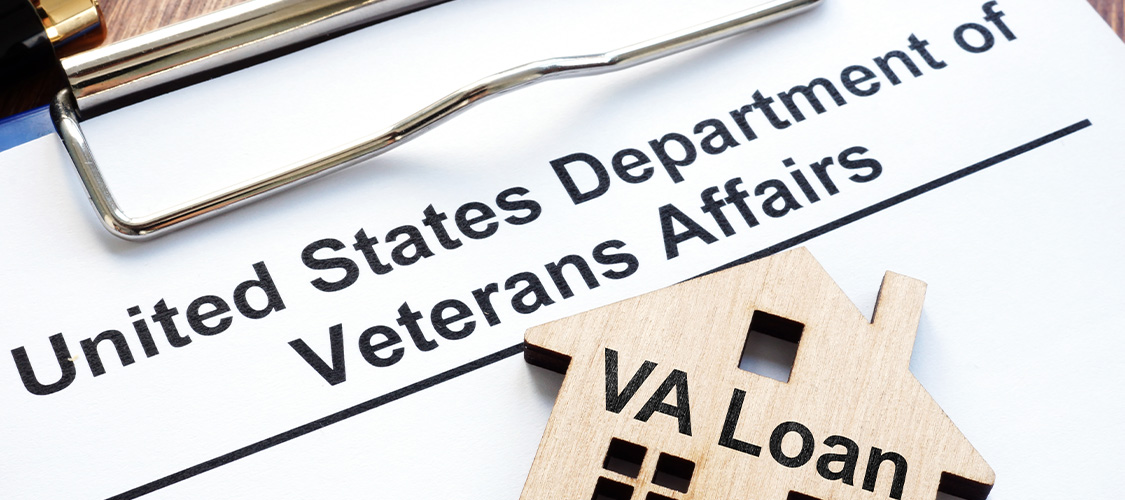
VA loans enable eligible buyers to buy a home with little or no down payment, depending on the loan type. Plus, buyers often receive lower mortgage interest rates.
Unlike Conventional loans, VA loans do not require private mortgage insurance. They are backed by the federal government, reducing both upfront costs and ongoing monthly expenses.
Buyers may also be able to use a U.S. Department of Agriculture (USDA) loan, which doesn’t require a down payment. These loans are generally available for properties in more rural areas, although homes in some further-out suburbs may qualify.
However, USDA loan buyers who don’t put down 20% will be required to pay a mortgage insurance premium. There are also income restrictions.
Homebuyers may also want to consider Federal Housing Administration (FHA) loans that require as little as 3.5% down.
Buyers using these loans may be able to redirect savings away from a large down payment and toward closing costs, moving expenses, and emergency reserves. This can significantly shorten the road to homeownership.
How down payment assistance can help homebuyers
Another way around the high cost of down payments is one of the most underused tools available to buyers: down payment assistance.
Across the country, thousands of government, local, and nonprofit programs offer grants, forgivable loans, or low-interest second loans that can reduce upfront cash needs by several thousand to tens of thousands of dollars. The specifics depend on the program, where the home is located, and the buyer’s eligibility and circumstances.
These programs are often available to first-time buyers, moderate-income households, and buyers purchasing in designated areas.
“The reality is, many buyers qualify for down payment assistance programs that can greatly reduce what they need upfront,” said Gatling. “When you combine those programs with early planning around credit, cash flow, and what a comfortable monthly payment looks like, buying a home becomes less about having everything perfect and more about being prepared.”
For many buyers, that shift alone, especially paired with a low or no down payment loan, can shave years off the wait to become homeowners.
What buyers can take from this

Saving for a down payment still requires planning and patience. But it is taking less time than it did just a few years ago.
“Saving consistently, even in small amounts, is a meaningful first step toward homeownership,” Hannah Jones, senior economic research analyst at Realtor.com said in a statement. “In today’s market, building that financial reserve can make a real difference when buyers are ready to act.”
Equally important, buyers don’t have to go through the process alone. Working with a loan officer to understand local housing trends, loan options, and available assistance programs may make the journey to homeownership more attainable.
Mosi Gatling NMLS # 557166
Author




 Smart Moves Start Here.