

Housing News
The Fed Kept Interest Rates Steady. Will That Help, or Hurt, the Spring Housing Market?
March 18, 2026
Homebuyers hoping for a big interest rate cut at the start of the spring housing market were disappointed. But mortgage rates may still come down.
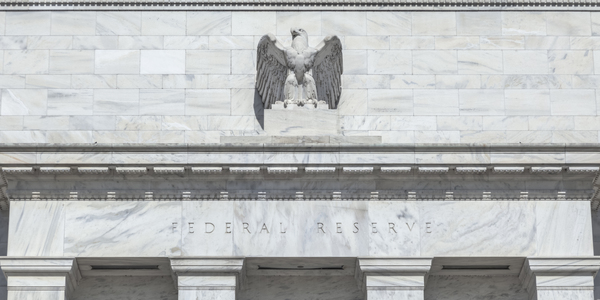
The U.S. Federal Reserve held its rates steady at its March meeting, largely due to fears that the war in Iran and higher oil prices could lead to an uptick in inflation. The Fed typically keeps rates high to combat inflation and hikes them to give the economy a boost when unemployment rises.
While mortgage rates are separate from the Federal Funds rate, they generally move in the same direction. So, if the Fed indicates it’s likely to lower its rates, mortgage rates generally come down.
“The [Fed] will not change rates given the war in Iran and the elevated oil prices that are likely to add to short-term inflation,” said New American Funding’s Chief Investment Officer Jason Obradovich. “Despite a recent job report indicating weakening employment across the U.S., the inflation concerns are outweighed any potential softness in the economy.”
Mortgage rates had briefly fallen below 6% last month, but climbed after the war began and oil prices sharply increased.
“Rates will remain higher until the oil market calms down,” said Obradovich. “Then we could see a drop in rates right afterwards.”
He expects the Fed will cut rates at least twice this year once oil prices fall.
In the meantime, Obradovich doesn’t expect the Fed’s decision will hurt the spring housing market. It’s more affordable to buy a home today than it was a year ago thanks to a combination of lower mortgage rates and home prices.
Mortgage rates are about half a point lower than last March. They averaged 6.11% for 30-year, fixed-rate loans in the week ending March 12, compared to 6.65% last year, according to Freddie Mac data.
Meanwhile, home list prices were down 2.1% year-over-year in March to a median of $403,450, according to the most recent Realtor.com data.
“The higher rates today are not materially high [enough] to impact the market,” said Obradovich.
Author



 Stay one step ahead