Homebuyers
One-Time Close Construction Loans: How to Build and Finance a Home (With Minimal Stress)
May 14, 2026
Some homebuyers have limited requirements for what they want out of a home: A few bedrooms, a nice kitchen, and a good school district often do the trick. But some buyers have much longer checklists that can make finding the right home a challenge.
For them, buying land and designing their own home, with the exact features they want, may be a smarter strategy.
One of the best resources for building your own home is a One-Time Close (OTC) Construction Loan. These loans let you finance the land purchase and construction costs together and automatically convert to a traditional mortgage loan when the home is built.
That’s instead of taking out separate loans. Using a single loan may save you money on closing costs and lets you lock in a single interest rate.
“The biggest advantage of a one-time construction loan is that there’s only one closing. This saves borrowers from a second round of uncertainty,” said real estate agent Ryann Brier of City Lights Home Buyers in Grand Rapids, Mich. “With other construction loans, there’s a second round of closings and requalification processes that take place after the house is completed.”
Below, we’ll review how One-Time Close Construction Loans work, when and why they make sense, and potential drawbacks to consider.
What are One-Time Close Construction Loans?
One-Time Close Construction Loans are a type of mortgage that covers the land purchase and home construction. Since there is only one loan, hence one closing, the loan gets converted to a traditional mortgage once the home is built.
If you’re hoping to build a home the way you want, in a specific area, it may be worth finding a lender that offers OTC construction loans. Here’s what makes them so enticing:
- Reduced costs: Because One-Time Close Construction Loans have one closing, you don’t have to budget for all the various closing costs that would otherwise be associated with the construction phase and the permanent mortgage.
- Interest rate lock: Because there’s only one closing with a One-Time Close Construction Loan, you lock in your mortgage rate from the start. There’s no chance of your rate jumping up during the time it takes to build your home.
- Interest-only payments: While you must start paying your One-Time Close Construction mortgage while the home is being built, payments are interest-only. That keeps your costs down. This is crucial if your monthly budget also includes a mortgage or rent payment while you wait for your new home to be constructed.
- Multiple loan types available: While you may be eligible for a One-Time Close Construction Conventional loan, you might also qualify for a Federal Housing Administration (FHA) loan or a U.S. Department of Veterans Affairs (VA) loan with a one-time close. This can be a gamechanger if you qualify, as the loan requirements might be more lenient. For instance, FHA loans have flexible credit score requirements and low down payment requirements. Typically, VA loans are available with no down payment at all.
How to get a One-Time Close Construction Loan
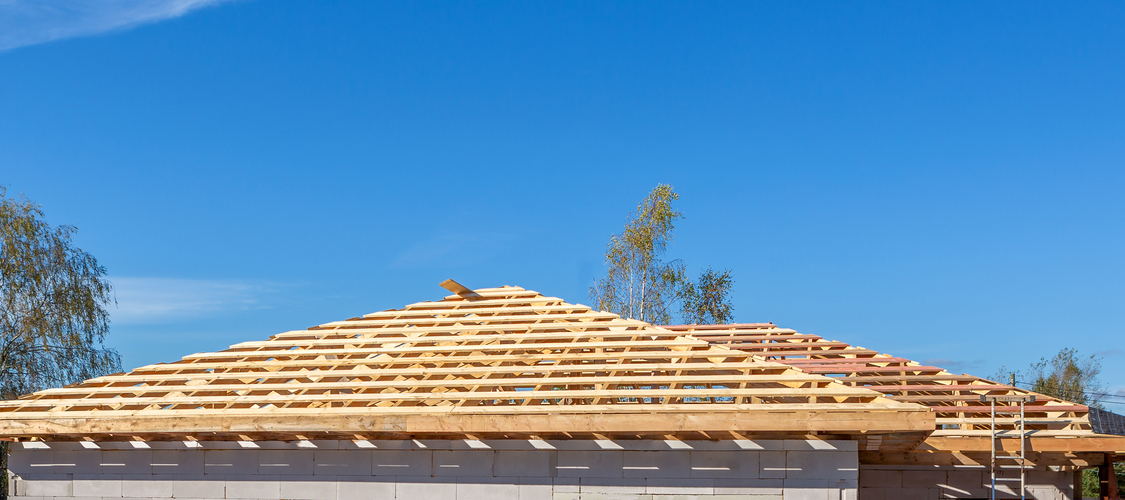
Getting a One-Time Close Construction Loan is a little more challenging than securing a traditional mortgage for an existing home. That’s because there is more documentation involved (and more cooks in the kitchen, so to speak, with home builders added to the process).
Here’s how to get an OTC loan to build your home:
1. Get preapproved for a mortgage
Research lenders that offer One-Time Close Construction Loans and apply for a loan preapproval. This will help you understand your maximum budget and the requirements you’ll need to meet for your actual application.
2. Select your builder
Choose a reputable, lender-approved home builder that understands your vision for your home.
3. Submit your documentation and get an appraisal
Much like applying for a traditional mortgage, you’ll need to submit documentation to verify your income, assets, and debts. But you’ll also need to submit construction documents, including blueprints and cost estimates. Your lender will order an appraisal based on this information.
“In addition to the design, plans, and quote, we recommend providing the lender with a comparable report of homes in the area,” said builder John Salvatore Gelfusa, president and CEO of HomeWorks CGO in Chesterfield, Mich. “It’s in the borrower’s best interest to demonstrate that the project isn’t overbuilt for the neighborhood. While the [lender] will hire an appraiser to verify value, [the] comparable report is highly visual, showing images of similar kitchens and bathrooms alongside the proposed design to clearly support the projected value.”
4. Get final loan approval and close
Assuming your One-Time Close Construction Loan is approved, it’s time to close. If you don’t already own the land, you’ll sign for the purchase, and you’ll also sign for the construction and mortgage.
5. Begin construction
Once everything is signed, construction can begin. Funds will be available to you and your builder in phases (called draws). To get the next set of funds, you’ll need to pass various inspections throughout the construction process.
6. Convert to a traditional, long-term mortgage
Once construction is complete and the home has passed all inspections, your loan will be converted to a traditional mortgage. The loan is based on the terms you agreed to at closing.
How long a One-Time Close Construction Loan takes from the day you decide to build a home to the day you move in depends on so many factors, including:
- How long the design phase takes with your builder
- Any issues with underwriting
- Any permitting, inspection, or other construction delays
Potential pitfalls of OTC loans (and how to avoid them)
There are some potential drawbacks to consider before getting a One-Time Close Construction Loan to build a home. But most can be avoided with proper planning.
Delays are the biggest issue with One-Time Close Construction Loans
Delays are common when building a home. A good strategy is to build an extra 15% to 20% of time into your timeline. For instance, a six-month estimate (roughly 180 days) could be extended to 205 to 215 days in your plans, to be safe.
“The most common delays usually happen with permitting and the city, builder paperwork, appraisals, or changes in order or plan. All of these could add weeks to the project,” said Brier. “Time and cost both increase when borrowers underestimate the scope of work, utility hookups, and material delays. The best thing a buyer can do is be flexible, build in extra time, and keep [cash] reserves on an original budget to adjust for delays as you go.”
Having extra funds available is key.
“Delays are expensive not just in time, but in added interest costs. The longer your project drags on, the more it ultimately costs you,” said Gelfusa. “My recommendation is to work with a contractor who can order and warehouse all interior finishes early in the process. This gives them time to inspect materials and replace anything damaged before it causes delays on the job site.”
Cost overruns may happen during home construction
Another concern with construction loans is underestimating how much construction will cost. If material prices jump during construction or you encounter unanticipated issues, your lender-approved budget may not be enough. That means you may have to come up with the difference.
To avoid this, overestimate your budget (just like your timeline) to be prepared.
Mortgage interest rates may drop after you lock in a construction loan
The fact that you lock in your mortgage interest rate for your One-Time Close Construction Loan before construction begins may provide you with some peace of mind. If rates skyrocket, you don’t have to worry because your rate is already solidified.
But if rates drop dramatically during the six to nine months (or more) of construction, you have already locked in that higher rate.
“Because you’re closing so early in the project, you’re locking in your interest rate at the very beginning,” said Gelfusa.
Author




 Stay one step ahead