Homeowners
Can’t Sell Your Home? Here Are 7 Strategies to Turn Things Around
May 11, 2026
Even though the housing market is still hot, some sellers may find it difficult to sell their homes.
This spring, there are more properties for sale, leading to more competition for buyer attention. That can leave some home listings languishing on the market.
“A stagnant listing usually stems from an issue with price, condition, or marketing. Fix the right one, and it will sell,” said John Gluch, real estate agent at the Gluch Group at exp Realty in Phoenix.
If you’re struggling to sell your property, rest assured you’re not out of luck. Below, we’ll break down seven strategies to help you close that sale or find financially advantageous alternatives.
Selling strategy No. 1: Lower the price of your home
The top reason homes don’t sell? They’re priced too high.
“Sellers like to price their homes based on what their neighbor got six months ago, but the market moves fast,” said Gluch. “Today’s buyers are more informed than ever and will skip right past an overpriced listing without a second thought.”
Dropping the price, even a little, might be all it takes to get to the closing table.
Selling strategy No. 2: Improve your home
If you have the time and budget, strategic updates to the property may help attract buyers. Fortunately, most of the time you don’t have to make any major overhauls or full renovations.
“Fresh paint, updated fixtures, professional staging, deep cleaning, and landscaping are all worthwhile,” said Gluch. “These are high-return investments.”
Ultimately, your goal is to compete visually with the newer homes out there.
Selling strategy No. 3: Offer incentives to homebuyers
Due to the mortgage rate-sensitive environment we’re in, it might make sense to offer concessions. This may include covering the buyer’s closing costs or temporarily buying down their interest rate.
“A one- to two-point rate buy-down can meaningfully lower a buyer’s monthly payment and get a deal done that otherwise wouldn’t happen,” said Gluch.
For example, a 2-1 buydown is when the seller temporarily buys down the buyer’s mortgage rate. If the buyer got a mortgage with a 6% mortgage rate, for the first year of the loan the rate would be two percentage points lower at 4%. The next year, it would be a percentage point lower at 5%. Then it would adjust to 6% for the rest of the loan.
While this incentive is essentially a price reduction, it can offer the psychological nudge a buyer needs to seal the deal.
Selling strategy No. 4: Become a landlord
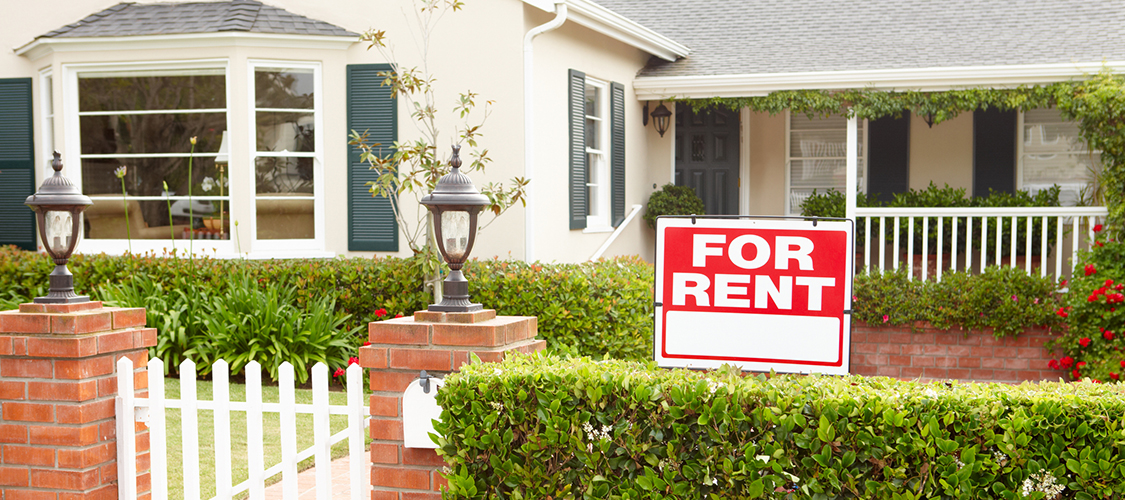
Renting your property, if you’re having trouble selling, may be a financially savvy option. It can allow you to generate rental income, preserve your home, and wait for better market conditions.
That’s why it’s no surprise that 2.3% of homes recently listed for rent on Zillow were also listed for sale.
“If you go this route, find a good tenant and establish communication on rental terms, showing and explaining what happens if the property is sold,” said Parisa Afkhami, real estate agent at Coldwell Banker Warburg in New York City.
Also, before you move forward, understand and accept the fact that being a landlord is not passive income. Tenant issues, maintenance calls, potential property damage, and the emotional weight of managing a home you're trying to sell are all part of the job. Additionally, you may have time between tenants where you’re not collecting rental income.
Selling strategy No. 5: Take out a bridge loan
Some lenders offer bridge loans to “bridge” the funding gap between buying a new home and selling your current property.
These loans usually last between three months to a year. Depending on the loan, you may have to make monthly payments, interest-only payments, or a balloon payment at the end of the term.
A bridge loan should be on your radar if you can’t afford a down payment without selling your existing property first. You may also want to use one if you need to secure a new home soon for personal or professional reasons, such as moving for a new job.
Selling strategy No. 6: Offer cash on a new home
If you’re having trouble selling your home and want to move, you have other options in addition to a bridge loan.
Some lenders will make a cash offer on your new home. Once the deal closes, you can rent the property from them until you get a mortgage through the company. This can give you time to sell your existing home while helping you secure a home in a more competitive housing market.
“This strategy removes the contingency, eliminates the pressure of a rushed sale, and gives you negotiating power in a competitive offer situation,” said Gluch.
Selling strategy No. 7: Consider an iBuyer or real estate investor
If your home needs repairs or hasn’t been updated in many years, it may linger on the market. Sellers who don’t want to renovate or do a lot of work on the property may want to consider iBuyers and real estate investors.
However, you likely won’t fetch top dollar for the property.
“This is a convenience play, not an equity play,” explained Gluch.
iBuyers and investors factor in their risk and operational costs, so you’ll pay a premium for speed and certainty.
However, if you need to get your home off the market as soon as possible, it may still be an option worth considering.
Author




 Stay one step ahead