Homebuyers
Buying a $1 Home: How It Works and What It Really Costs
July 30, 2026
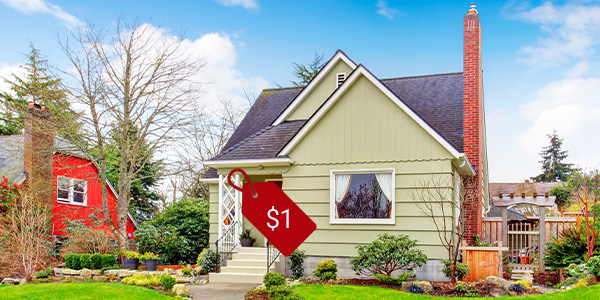
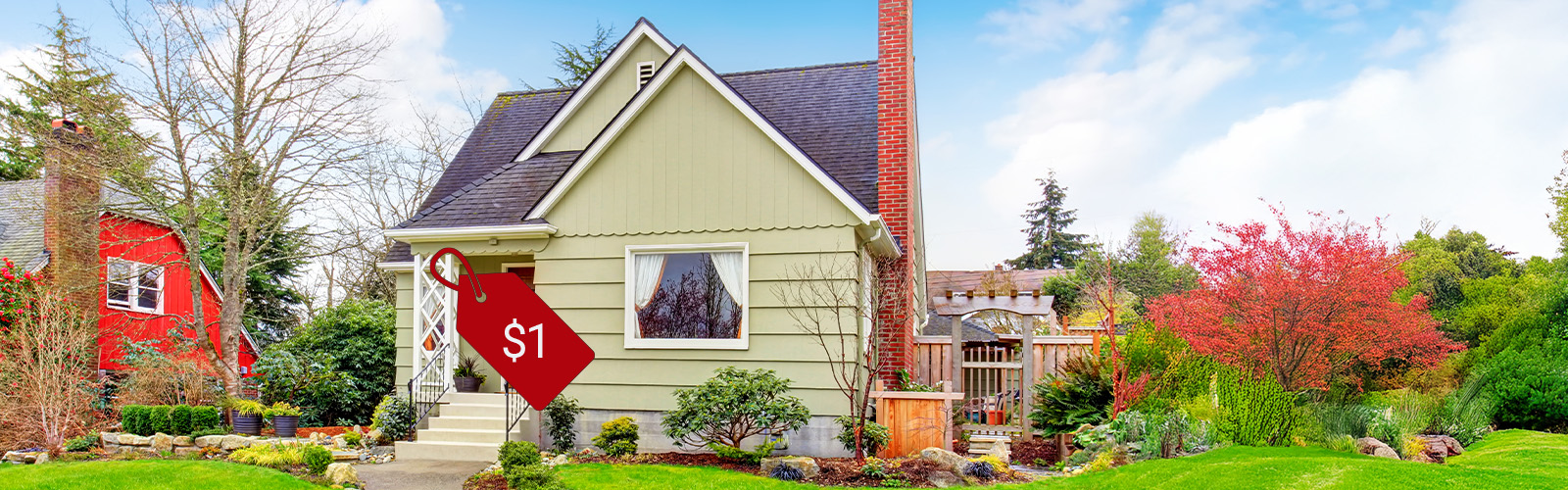
Yes, you can buy a home listed for $1, but you’re unlikely to pay just $1. The price may be an opening auction bid, a marketing tactic, or part of a program requiring major renovations. Homebuyers should factor in the final sale price, repairs, liens, title issues, taxes, and other costs.
Everyone loves a real estate transaction that’s a bargain, especially when it comes to housing. So, when a home pops up on the market for the bargain price of just $1, it’s easy to imagine packing your bags and living mortgage-free.
The catch is figuring out what that $1 actually means.
Some of these homes are part of foreclosure auctions where $1 is just the opening bid. Many go on to sell for tens, or even hundreds, of thousands of dollars.
Others are abandoned or foreclosed properties that cities are hoping investors will pour big money into to get these homes into habitable shape again.
And some $1 listings are marketing gimmicks, meant to draw online clicks, interest, and ultimately, a bidding war that drives the final price much higher.
As Morning Brew’s The Playbook recently reported, these listings often come with a lot of attention. But that doesn’t make them a deal.
“Since there’s no traditional asking price on the listing for buyers to orient themselves, say, $375,000, $1 listings make the negotiation process more challenging and more of a guessing game,” said Judy Dutton, editor of The Playbook.
For anyone hoping to find a real, livable home at a rock-bottom price, it’s important to know what you’re really purchasing.
Investor specials and auction homes for $1
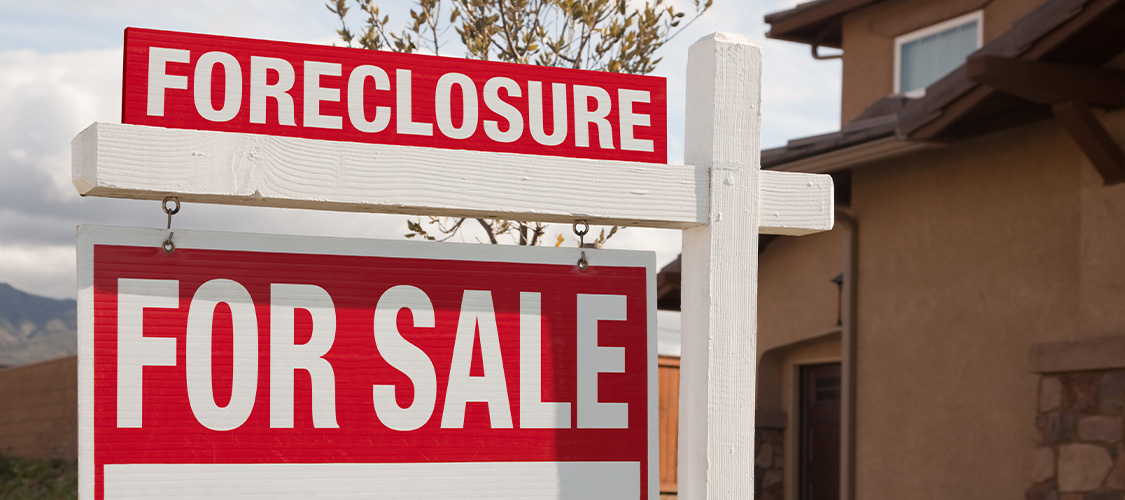
If it looks too good to be true, it probably needs a new roof, plumbing, and maybe even a court date. Many $1 homes are in disrepair and fixing them isn’t cheap.
Many super-inexpensive listings fall into the foreclosure or auction category. Often, buyers can’t go inside to assess the property’s interior condition, so they don’t know what state the home is in or how much work it will need. That means it’s nearly impossible to figure out just how much you will need to sink into this home.
Issues with liens and titles can also hold things up. Title searches and insurance are important to ensure that no one else has an ownership claim on the property. You don’t want someone to show up out of the blue and have a legitimate interest in a property you own.
Typically, these types of homes attract real estate investors because they’re better equipped to handle extensive repairs and renovations.
“You never see the insides of the foreclosure,” said Scott Stuber, an investor and co-owner of Nuremberg Properties based in Denver, Colo. “Sometimes it’s not a good option to take that risk if the property gets to $20,000, $25,000, or $30,000 and you don’t know what the interior is like. If the outside is bad, the interior probably is as well.”
That doesn’t mean it’s impossible for regular buyers. But it does mean you’ll be up against pros with experience in these kinds of properties and contractors on speed dial.
Stuber added that if you have cash to spend, auction homes can be a great opportunity.
“We have bought properties … in foreclosure, we turn the key and walked in, and they don’t need a thing,” he said. “Sometimes you luck out as an investor.”
The marketing ploy of $1 homes for sale
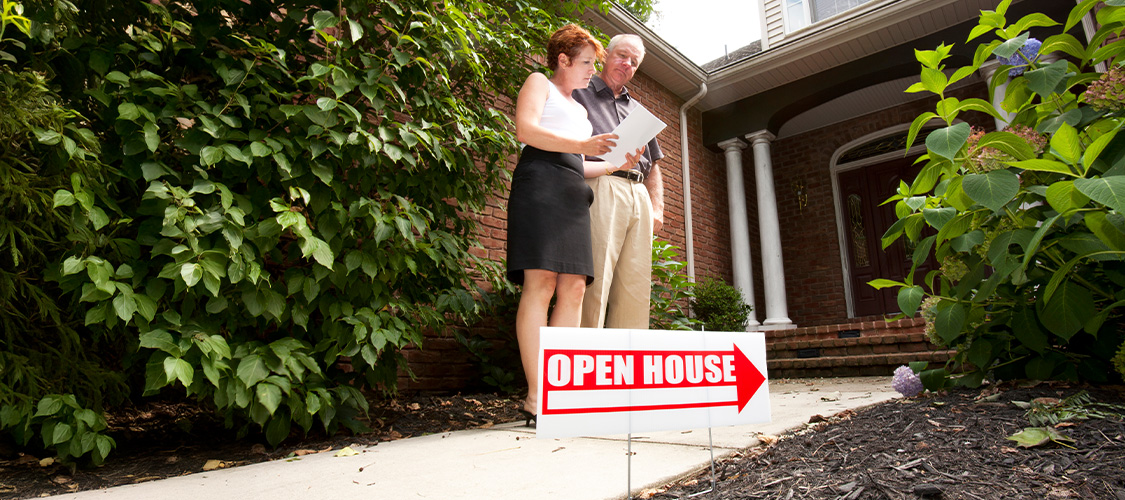
Sometimes, a $1 home isn’t falling apart at all. It’s just a clever way to stir up interest.
With buyers struggling to afford a home and the real estate market cooling, more agents and sellers are using $1 listings as bait to generate buzz and multiple offers.
In some cases, this tactic has resulted in massive bidding wars and shocking sale prices. One $1 listing in Newark, N.J. ended up going under contract for $550,000 in June 2025.
“This marketing ploy works wonders because the low price point captures more buyers’ attention,” Dutton said.
“Probably the biggest downside for sellers is that $1 listings often get so much attention, it can be a time suck to sift through all the offers and field all the questions from rookie buyers who are confused or naively hoping they can snag the house for a buck,” she said.
In the end, it’s not about getting a home for $1. It’s about getting noticed.
What you need to know before you bid on a $1 home
If you're seriously considering buying a $1 home, remember the listing price might be low, but the potential costs, both expected and hidden, can stack up fast.
Buyers should come armed with a solid understanding of the home’s value, comparable sales in the area, and how much they’re really willing to spend on the home plus renovations.
Due diligence is essential, from inspections to the condition of the property to title checks, because what you don’t know can hurt your bank account.
“Always, always, always get title insurance,” said Stuber. “I hear of people who bought their house, and two years down the road, someone shows up and says they own the deed to the home.”
“If you didn’t do the due diligence with a title search and title insurance, you could be asked to leave the house,” he added.
Are $1 homes actually worth buying?
For homebuyers searching for affordable homes, cheap homes for sale, foreclosure properties, or even the elusive $1 home, the listing price is only the beginning of the math.
A property advertised for $1 can still end up costing tens or hundreds of thousands of dollars by the time the sale closes and the work is done. The final price may be determined through a foreclosure auction or bidding war. An abandoned home sold through a city program may require extensive renovations before anyone is allowed to move in. Even a conventional listing priced at $1 may simply be a real estate marketing strategy designed to generate interest and competing offers.
Then there are the expenses that come after the purchase.
Homebuyers may need to budget for home repairs, renovations, property taxes, homeowners insurance, title insurance, closing costs, utilities, and ongoing maintenance.
Depending on the condition of the property, major projects such as replacing a roof, updating electrical or plumbing systems, repairing structural damage, or installing a new heating and cooling system can quickly dwarf the original purchase price.
Financing can add another complication. A home in poor condition may not qualify for a traditional mortgage, particularly when major health, safety, or structural problems need to be addressed. Homebuyers considering a fixer-upper should find out how the property's condition could affect their mortgage options before placing a bid.
The local housing market matters, too. A $1 listing in an area where comparable homes sell for hundreds of thousands of dollars is unlikely to remain a $1 home for long. Looking at recent comparable home sales can help homebuyers estimate the property’s market value and decide how much they are willing to spend.
Foreclosure and auction properties require another layer of research. A title search can uncover liens, unpaid taxes, ownership disputes, and other claims attached to the property. Title insurance can provide protection against certain ownership problems that surface after the purchase. Homebuyers should also understand the auction rules, deposit requirements, payment deadlines, and whether they will have an opportunity to inspect the home before bidding.
First-time homebuyers may want to be especially cautious about choosing a $1 home solely because the initial price looks affordable. A low purchase price does not necessarily translate into low monthly housing costs once property taxes, insurance, repairs, utilities, and financing are included.
The better question, then, isn’t whether you can buy a home for $1. In some circumstances, you can.
The question is what you’ll have to spend to make that $1 home legally yours, safe to live in, and worth owning.
For the right homebuyer, a foreclosure, fixer-upper, auction property, or deeply discounted home can offer a path to homeownership at a lower purchase price. Just make sure the bargain survives the math. The best deal isn’t necessarily the home with the lowest listing price. It’s the one whose total cost fits your budget after you count everything that comes after the first dollar.
Bottom line: A $1 home might grab your attention but knowing what you’re getting into is what protects your investment.
Author

 Stay one step ahead