
Homebuyers
Home Inspections vs. Home Appraisals: Why They’re Both Important for Homebuyers
September 9, 2026
When you’re buying a home, having an offer accepted is often a reason to celebrate. Enjoy it, but remember that the work is just getting started.
Before you get the keys, most buyers schedule a home inspection. Your lender will usually order an appraisal of the property as well. Although both involve a professional looking at the home, they are separate processes that serve different purposes.
Home inspections tell you what condition the property is in and may reveal structural and other issues with the home that may give you pause. Meanwhile, an appraisal tells you and the lender what the home is worth. If it’s worth less than your offer, this could affect your financing.
“A home inspection is for the buyer and no one else,” said Bob Day, a Realtor and home inspector with HomeTeam Inspection Service, in Andover, Minn. “The appraisal is for the lender and not the consumer.”
What is a home inspection?
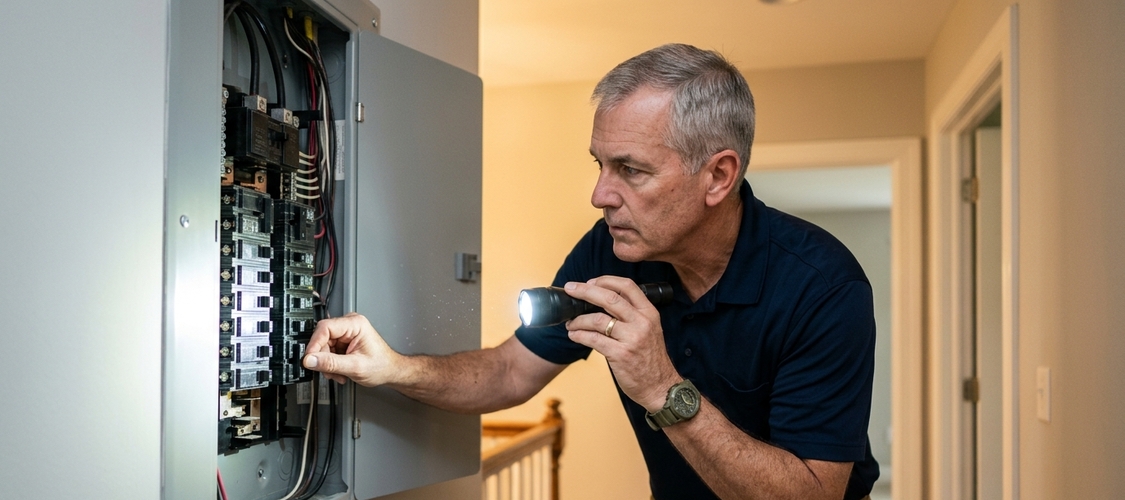
A home inspection is a detailed check of a home’s physical condition. If the inspection uncovers pricey problems with the home, buyers may be able to negotiate with the seller to lower the asking price, pay for some of the repair work, or decide to walk away from the property.
During the inspection, the home inspector typically checks the home’s structural elements, roof, foundation, electrical system, plumbing, and HVAC system. The inspector looks for current problems, such as leaks, mold, and faulty wiring, along with problems that may develop soon.
Once the inspection is complete, you should receive a written report with interior and exterior photos of the home. The report may include recommendations, along with estimated repair timelines and costs.
The typical home inspection cost $296 to $424 on average in 2026, according to HomeAdvisor.
“Its purpose is to describe the home condition, so the buyer is aware of current issues and future issues,” Day said.
An inspection can also uncover expensive problems you might never spot on your own.
For instance, “bats in the attic are very expensive to get rid of,” said Day. “They are a protective species and can run $2,500 to $25,000. Foundation issues can be a large expense.”
Unlike an appraisal, you're responsible for scheduling the inspection and you receive the report.
The Federal Housing Administration also cautioned buyers that an appraisal does not take the place of a home inspection.
“I tell buyers to think of the inspector like a primary care physician,” said Rodrigues. “We identify potential problems and point you toward the appropriate specialist when more information is needed.”
What is a home appraisal?
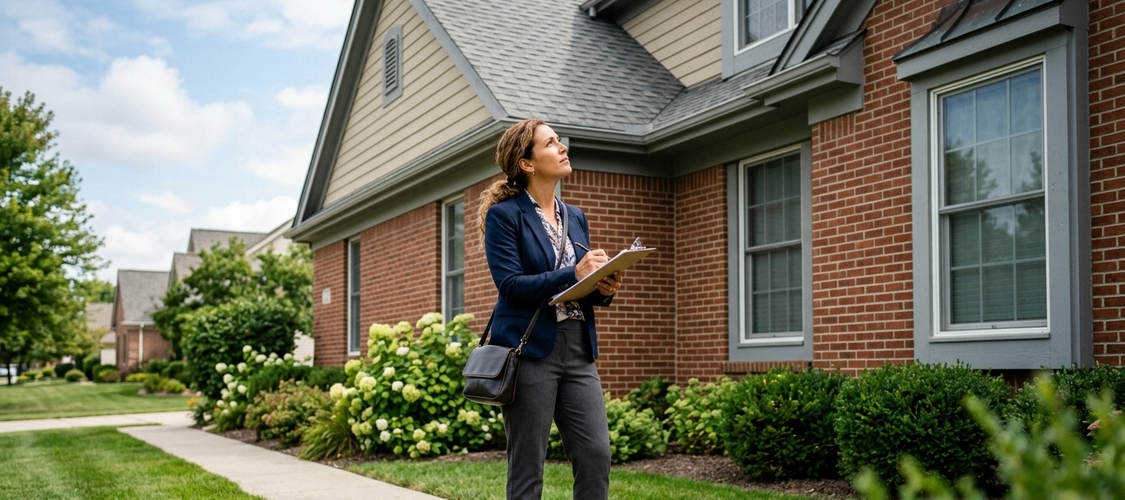
A home appraisal is a professional estimate of a home’s market value. After your offer is accepted, your lender typically orders an appraisal to make sure the home is worth the price you agreed to pay. This is done to protect the lender.
If the home appraises for less than your offer, the lender may only finance up to the appraised value. In that case, you may need to ask the seller to lower the price or pay the difference yourself.
Lenders typically also require appraisals when homeowners apply to refinance their existing mortgages.
The typical home appraisal cost $314 to $424 in 2026, according to home services site Angi.com.
“The appraisal mostly helps the lender decide whether the property’s value supports the loan,” said Fred Rodrigues, a certified inspector and owner of Damngood Inspection in Clermont, Fla.
To estimate the home’s value, an appraiser usually looks at recent sales of similar homes in the area, along with the home’s location, size, and condition.
For government-backed mortgages, such as Federal Housing Administration (FHA) loans, the appraiser also checks whether the home meets minimum property standards.
What else do homebuyers need to do before closing
Beyond home inspections and appraisals, buyers will have to juggle several other big tasks before closing. One of the most important is promptly providing supporting documents that verify your income and assets when your lender requests them.
You’ll also want to avoid financial moves that could put your mortgage approval at risk. Don’t take on new debt, as that could hurt your credit score and increase your debt-to-income ratio.
Lenders look at how much debt you have compared to your earnings to assess whether you can afford mortgage payments. They also see buyers with higher credit scores as less likely to stop paying their mortgage, so these buyers often receive lower mortgage rates and better loan terms.
Also avoid making large purchases or changing jobs during escrow. A major change to your finances or income could raise concerns about whether you can repay the loan.
You’ll also need to secure homeowners insurance before closing day. Review your Closing Disclosure to confirm your final loan terms and costs, then complete a final walkthrough of the home.
The bottom line on home appraisals and inspections
Buyers may make the mistake of thinking the appraisal is sufficient and forgo the home inspection.
Remember, the appraisal helps the lender decide whether the home’s value supports the loan, but the inspection is for your protection. So, it may be a wise choice to order an inspection soon after your offer is accepted.
Author



 Stay one step ahead