

Homebuyers
What the Age of a Neighborhood's Homes Can Tell Homebuyers
September 7, 2026
The nation’s housing stock is now middle-aged.
Nearly half of the nation’s owner-occupied homes were built before 1980, according to the National Association of Home Builders. The median age of an owner-occupied home reached 42 years in 2024, up from 31 years in 2005.
For homebuyers, a home’s age can offer clues about its layout, construction, maintenance needs, and potential renovation costs. It can also reveal what the neighborhood may offer, from walkability and mature landscaping to larger lots or newer amenities.
That’s why homebuyers should pay close attention to the qualities that renovations cannot change, said Andy Gibbs, an architectural engineer and founder of RemodX in Rancho Mirage, Calif.
“You can remodel a house,” said Gibbs. “You can’t remodel its address.”
Here is what homebuyers should consider when comparing homes and neighborhoods from different eras.
What homebuyers should look for in a prewar neighborhood
Prewar neighborhoods were commonly designed before World War II, when residents walked to stores, schools, public transportation, and other community destinations. These areas often have sidewalks, connected streets, and homes located close to commercial districts.
“Each era solved a different interest,” said Crystal Olenbush, a real estate expert with Texas’ Austin Real Estate. “In communities based on prewar times, people used to walk a lot. [This] is the reason why these neighborhoods offer developed streetscapes.”
Homes from this period may include brick or stone exteriors, hardwood flooring, plaster walls, built-in cabinetry, and detailed trim, according to Ben Mizes, president of Clever Real Estate in St. Louis.
Many prewar homes have compartmentalized floor plans. Before planning to remove walls, homebuyers should determine whether they are load-bearing or contain electrical wiring, plumbing, or ductwork.
They should also investigate the foundation, roof, sewer line, electrical system, windows, and previous renovations. A general home inspector may recommend specialist evaluations.
Those purchasing a fixer-upper may want to consider an FHA 203(k) loan. These Federal Housing Administration mortgages offer lower down payments and more flexible credit scores while allowing homebuyers to finance the home purchase and renovations in a single loan.
What to look for in a postwar suburb
Neighborhood design shifted after World War II as families moved into newly developed suburbs.
“Cars became the norm in the postwar decades, which is why lots needed to be bigger and include garages,” said Olenbush.
Postwar communities may offer driveways, attached garages, wider streets, and larger lots. Ranch-style homes became common, providing single-story living that may appeal to families and older adults.
Homes built during the 1950s through the 1970s may also provide more living space for the price. These properties from this period may attract larger and multigenerational families, said Ashley Watters, a real estate agent with eXp Realty in Little Rock, Ark.
“I am seeing families cohabit more than I ever have before,” said Watters.
Before making an offer, homebuyers should find out when the plumbing, electrical panel, roof, sewer lateral, and heating and cooling systems were replaced. They should also look for standing water, soil erosion, foundation movement, and moisture in the basement or crawl space.
Exterior concrete may require attention as well. Separate steps, walkways, patios, and utility pads can settle as the soil underneath them shifts or erodes.
Weigh the value of an established neighborhood
An outdated home in an established neighborhood may offer access to mature landscaping, desirable amenities, or a convenient location at a lower purchase price. The savings could leave room in the budget for renovations.
Gibbs is taking that approach with a 1985 home he is renovating at Mission Hills Country Club in Southern California. He recommends addressing structural problems, the roof, windows, and other parts of the building envelope before moving on to cosmetic improvements.
“My philosophy is simple: Make your money when you buy, not when you sell,” said Gibbs.
Homebuyers should obtain estimates for major projects and budget for permits, professional fees, and unexpected repairs. They should also consider how long the renovations could take and whether the home will be comfortable to occupy while work is underway.
When purchasing in a community with a homeowners association, homebuyers should review its rules, financial documents, fees, and planned special assessments.
What to look for in a newer development
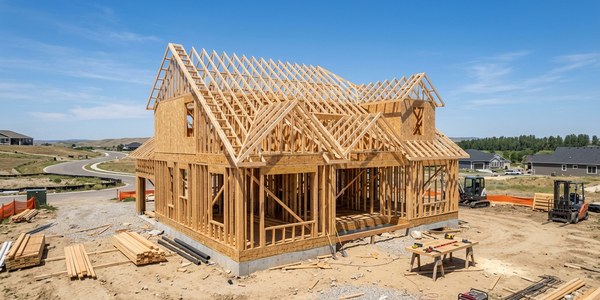
Newer homes may appeal to homebuyers who want a move-in-ready property with fewer immediate projects. Recently installed plumbing, wiring, roofing, and heating and cooling equipment may also make early maintenance costs more predictable.
“These types of developments generally attract buyers with open floor plans, larger kitchens and primary suites, and plenty of storage,” said Mizes.
New construction still warrants an independent inspection. Drainage problems, incomplete work, and improperly installed materials can occur in homes of any age.
The surrounding community deserves equal scrutiny. Newer developments may have smaller lots, young landscaping, and similar home designs. Some are located farther from employment centers, shopping districts, and public transportation.
Homebuyers should ask what remains to be built nearby. Future roads, homes, schools, and commercial projects could affect traffic, views, noise, and property taxes. Association rules may also restrict additions, fences, parking, exterior colors, or landscaping.
How to compare homes from different eras
Homebuyers should consider the property’s condition alongside the qualities of the surrounding community.
“Every time I advise my buyers, I make sure they consider not only the expenses of remodeling, but also think about the things that cannot be changed at all,” said Olenbush.
Before making an offer, homebuyers should identify the necessary improvements, estimate their costs, and decide which projects can wait.
Comparing those costs with the neighborhood features that cannot be changed can help homebuyers choose the right era for their budget and lifestyle.
Author



 Stay one step ahead