

Homeowners
Reverse Mortgage Evolution: More Protection, More Peace of Mind for Older Homeowners
December 29, 2025
Reverse mortgages have been around for decades, but today’s loans look very different from earlier versions. Created to help older homeowners tap into the equity they’ve built in their properties, reverse mortgages can help seniors fund retirement and afford to stay in their homes.
These loans, also called Home Equity Conversion Mortgages (HECMs), got a bit of a bad reputation during the Great Recession in the 2000s. Today’s reverse mortgages are far more tightly regulated and are backed by the Federal Housing Administration (FHA). But they still require careful planning to ensure they support long-term financial security.
“For many homeowners, it’s not just a loan—it’s relief,” said Charles Butler, a retirement mortgage advisor with New American Funding, based in Federal Way, Wash. “It can reduce financial stress, support aging in place, and create a sense of security during a stage of life when stability matters most.”
At the same time, he emphasized that reverse mortgages must be approached with caution and education.
“It’s important to be clear that a reverse mortgage is not for everyone,” said Butler.
What is a reverse mortgage and how does it work?
A reverse mortgage allows homeowners 62 and older to tap into the home equity of their primary residence and receive cash. The lender pays the homeowner, while the borrower continues to live in and own the home.
Homeowners who own their properties outright or have low balances may be eligible.
Most reverse mortgages today are FHA-backed Home Equity Conversion Mortgages (HECMs). The amount a homeowner can borrow depends on several factors, including their age, the home’s value, and current interest rates. Unlike a traditional mortgage, the loan balance grows over time as interest and fees are added.
With a reverse mortgage, home equity is gradually used to provide income. This means the amount owed by the homeowner increases while equity decreases. The loan doesn’t have to be repaid until the homeowner sells the property, moves out permanently, or passes away.
When the loan becomes due, it’s typically repaid by selling the home. If the homeowner passes away, their heirs can sell the property and use the proceeds to pay off the balance. They typically keep any remaining equity.
Many seniors use reverse mortgages to supplement retirement income, manage medical or living expenses, or afford to remain in their homes longer. Some even use the loans to purchase new properties.
While these loans can offer flexibility, homeowners must continue paying property taxes, homeowners insurance, and maintaining the home.
Reverse mortgages have become safer since the Great Recession

Reverse mortgages were created by banker Nelson Haynes in 1961 to help a widow remain in her home after the death of her husband. Haynes created a loan that provided her with a mortgage that paid her, instead of the other way around. That explains the name.
The first FHA-insured HECM was made in 1989. The loans took off in the 2000s and faced intense scrutiny after the housing crisis exposed serious weaknesses in how they were used and understood.
As home values fell sharply during the Great Recession, some borrowers struggled to keep up with required property taxes and insurance. Falling home prices and limited safeguards made it harder for seniors to recover once they fell behind.
Others were caught off guard by what happened after a spouse passed away. When the surviving spouse was not listed on the loan, families sometimes learned too late that the balance had become due. That created sudden financial stress and, in some cases, forcing the sale of the home or leading to foreclosure.
At the time, reverse mortgages lacked many of the consumer protections that have been put in place since then. Limited underwriting standards and insufficient borrower education left seniors vulnerable, prompting calls for reform.
“Those years were painful for many homeowners and families,” Butler said. “They exposed weaknesses in the system and made it clear that stronger protections and better education were needed.”
The fallout from the crisis became a turning point that reshaped how reverse mortgages are regulated today.
How reverse mortgages have evolved through major reforms
In response to past failures, reverse mortgages have undergone major reforms designed to better protect homeowners.
Since the financial crisis, FHA-insured HECMs have added multiple layers of safeguards, including mandatory counseling and stricter financial reviews. These changes aim to ensure borrowers understand the loan and can meet their long-term obligations.
Lenders must now assess income, credit history, and cash flow to confirm a borrower’s ability to pay taxes and insurance.
Protections were also added for non-borrowing spouses to protect them from losing their homes if their partner passes away. And some borrowers may have funds set aside specifically to cover ongoing housing costs.
“Since the financial crisis, reverse mortgages, especially FHA HECMs, have been significantly reformed, with the borrower’s long-term well-being placed at the center of the program,” Butler said.
These reforms have made today’s reverse mortgages safer than earlier versions.
What homeowners should know before getting a reverse mortgage
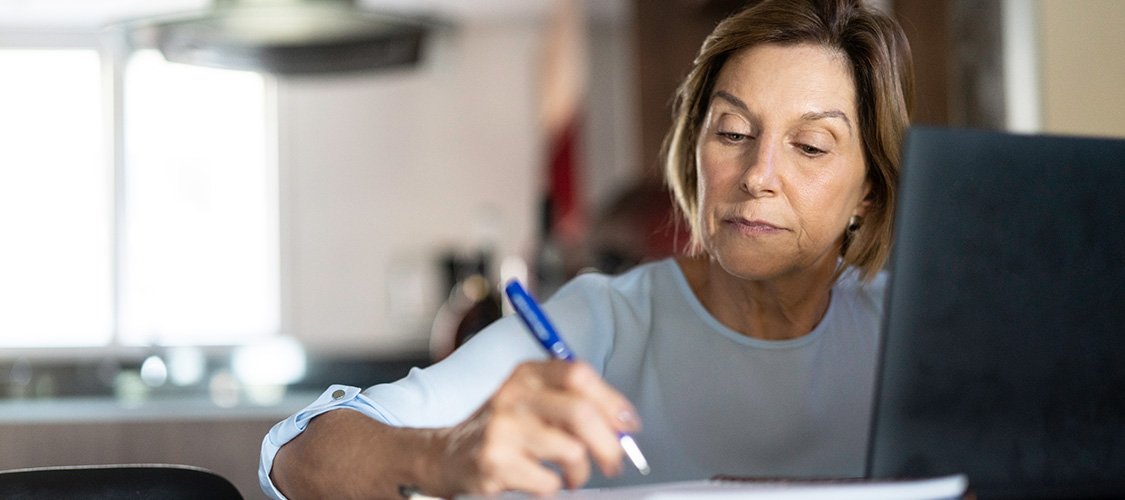
Even with stronger protections, reverse mortgages still come with caveats that homeowners need to understand.
Borrowers must continue paying property taxes, homeowners insurance, and maintain the home. Interest and fees also accumulate over time, increasing the loan balance and potentially reducing what’s left for heirs.
Reverse mortgages also tend to work best for homeowners planning to stay in their homes long term. Moving sooner than expected or misunderstanding ongoing responsibilities can reduce the financial benefit of the loan.
“While today’s reverse mortgages are far safer, homeowners still need to be fully informed,” Butler said.
For seniors, understanding the pros and cons of a reverse mortgage is key.
The bottom line on reverse mortgages for seniors
After decades of changes, reverse mortgages are a powerful, but complex, financial tool for older homeowners.
Today’s reverse mortgages are far more regulated and transparent than they were before the housing crisis. But the loans still come with long-term responsibilities that homeowners should understand.
“A reverse mortgage isn’t really about accessing equity, it’s about creating options,” said Butler. “[It provides] options to age safely at home, options to reduce financial stress.”
Charles Butler NMLS # 2262315
Author



 Smart Moves Start Here.