

Homeowners
Hoping for a Quick Home Sale? How Home Sellers Can Get Ahead This Spring
April 27, 2026
This year, the spring housing market is shaping up to be more competitive not just for homebuyers, but for sellers, too.
After years of limited housing supply, more homes are entering the market in many areas this season. This gives buyers more options, making it harder for any single listing to stand out.
That means home sellers can no longer rely solely on the traditionally busiest time in the housing market to land an offer. Selling with a strategy becomes essential.
From pricing tactics to home presentation details, real estate professionals expect the sellers who do the best this spring are the ones who understand how buyers are thinking and remove as much friction as possible.
Here’s how to get a jump on the competition.
Price your home to compete with other sellers
The list price on a home is the single most important decision a seller makes. In today’s market, getting it wrong can cost you.
“Pricing your home correctly matters most,” said Nathan Garrett, broker and owner of Garretts Real Estate Group in Crestwood, Ky. “Overpricing in this market will likely backfire.”
If a home is overpriced, it’s more likely to sit on the market. Buyers then begin to question what’s wrong with it. That often leads to price cuts.
And while underpricing your home may lead to bidding wars and offers over asking, it may also result in you leaving money on the table.

Watch your competition in the local housing market
Many sellers focus on what nearby homes have sold for over the last few years. But that may not be the best guide in a quickly shifting market.
That’s because buyers are comparing your home to what’s available right now, not what sold months ago.
“The best tip I can give to sellers is to pay attention to the homes on the market,” said Justin Chau, a real estate professional in San Gabriel, Calif. “The active properties tell a better story.”
“If all the other three-bed two-bath houses in your neighborhood are listed at $800,000, list your house for $750,000 to beat out the competition.”
Fix what homebuyers will notice first
Home sellers don’t always need a full renovation to boost their property’s appeal. But they do need to eliminate red flags. Small, nagging issues can have an outsized impact on how buyers perceive a home and whether or not they put in an offer.
Think sticky drawers, loose handles, broken doorbells, or missing hardware. These details can make buyers worry about bigger, unseen problems. The fix is often simple and relatively inexpensive.
“When a home has any of these types of little items that are broken, it gives buyers the impression of ‘deferred maintenance,’” said Ryan Fitzgerald, owner of Raleigh Realty, in Raleigh, N.C.
Buyers may begin to question if there are other larger problems with the home.
Fitzgerald recommended spending a few hundred dollars before listing to address these issues, calling it “the highest return on investment for any type of sale.”
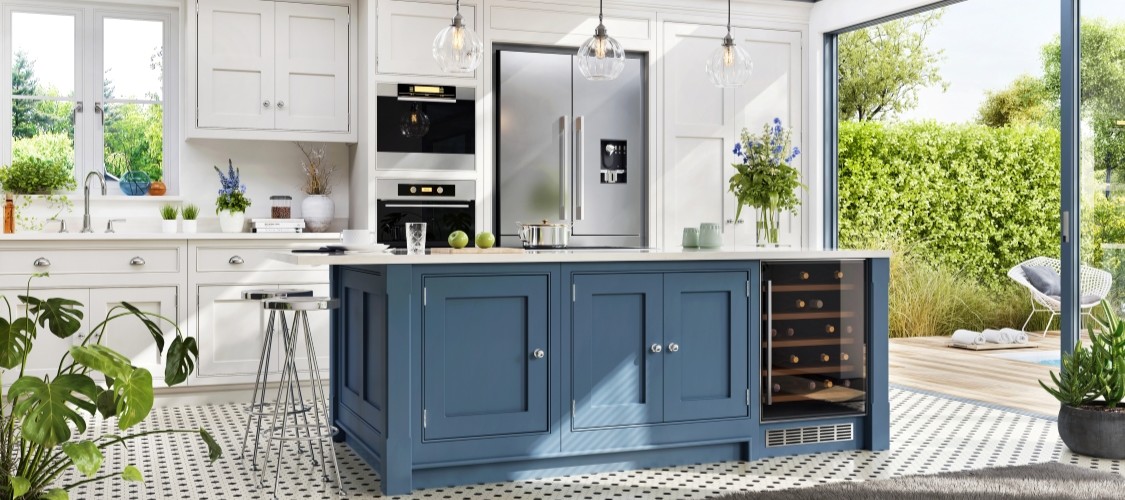
Make the home you’re selling feel bigger
Presentation still matters and not just in listing photos. So, sellers should go beyond basic tidying and think about how their home feels to a buyer walking through it.
“Consider removing some furniture to make rooms feel noticeably bigger,” said Garrett.
That same principle applies to storage.
“Removing 30% to 50% from the closets will give the perception that storage may not be an issue,” he added. Sellers should also get rid of clutter, which can make a home appear smaller.
A deep clean can also make a difference. Hiring a professional cleaning service before listing helps ensure the home shows at its best. Meanwhile, small exterior upgrades, like fresh landscaping or well-placed lighting, can boost curb appeal.
Use home selling incentives strategically
In a more mortgage rate-sensitive market, home sellers may need to think beyond price cuts to win over buyers.
“A targeted rate buydown or closing cost credit [may] help move the needle more than a $5,000 price cut can,” said John Harbuck, a real estate sales associate at Serhant in Orlando, Fla.
That’s because these incentives directly focus on what buyers care about most right now: monthly payments and upfront costs.
Sellers are increasingly offering options such as 2-1 rate buydowns, closing cost credits, or even covering repairs or home warranties to reduce perceived risk.
For example, a 2-1 buydown lowers the buyer’s mortgage rate by two percentage points in the first year of the loan, by one percentage point in the second year. Then the rate adjusts to what the buyers locked in when they closed for the remainder of the loan.
But how those incentives are presented matters.
“Don’t lead with the incentives in the headline,” said Harbuck. “Lead with value and presentation and then use the incentives as a tie breaker.”
Sell the story, not just the specs of the home
Common home listing descriptions can cause a property to blend in. But more specific, targeted messaging can make it memorable.
“Replacing generic ‘beautiful three-bed home in a great neighborhood’ with a specific hook can help define who the house is for,” said Harbuck.
Instead of broad language, sellers should highlight concrete lifestyle benefits such as: “Walk the kids to XYZ Elementary School in under five minutes or skip the I-4 commute to downtown,” he said.
The goal is to give buyers something tangible to connect with that stands out as they look at multiple properties.
“Buyers remember specifics, not adjectives,” added Harbuck.
Remove friction for homebuyers
In a more balanced market, convenience can be a deciding factor. Buyers are more likely to pursue homes that are easy to see, easy to understand, and easy to feel confident about.
“Be absolutely obsessive about getting your property shown,” said Fitzgerald.
That means keeping the home show-ready for long hours and accommodating last-minute requests whenever possible. Listings with limited access tend to sit on the market longer because fewer buyers can see them.
Some sellers are even making temporary lifestyle adjustments to keep their homes accessible. Fitzgerald recalls clients who placed their dog in daycare during the listing period to avoid disruptions. They received an offer within days.
He also suggested going a step further by providing a pre-inspection report.
“This will show the buyers that you don’t have anything to hide and eliminate a contingency,” said Fitzgerald.
Author




 Stay one step ahead