

Homebuyers
You've Earned This Benefit. Don't Let Myths Stop You from Using a VA Loan
May 15, 2026
For military individuals and their families, VA loans put homeownership within reach.
These U.S. Department of Veterans Affairs loan allow members of the military and veterans to purchase homes with no money down, no private mortgage insurance, and lower mortgage interest rates than many other types of loans.
“Veterans can buy a home with favorable terms while enjoying flexibility in purchasing power,” said Anthony Ramirez, a New American Funding loan consultant based in San Diego.
Yet, myths about these government-backed mortgages and their benefits abound. And these misconceptions could prevent those who could gain the most from these loans from using them.
In honor of Military Appreciation Month, we rounded up eight common myths about VA loans and debunked them. Here’s what you need to know.
Myth No. 1: You need a down payment with a VA loan
Unlike most mortgages, VA loans do not require a down payment. As a result, qualified borrowers may be able to purchase homes without a substantial amount of cash upfront.
This can help members of the military, veterans, and their spouses (in some circumstances) purchase homes faster than if they needed to save up for a down payment.
However, VA buyers should budget for closing costs.
Myth No. 2: VA loans take longer to close
Just because you’re using a VA loan, doesn’t mean you won’t be able to close quickly. But you should be prepared. Make sure you have the necessary paperwork ready, stay in communication with your lender, and schedule appraisals and home inspections early on.
“When properly handled…VA loans can close just as quickly as other loan types,” said Ramirez.
Myth No. 3: You’ll owe PMI on a VA loan
Buyers often want to know if VA loans have PMI if they’re making down payments that are less than 20% of the sale price of the home. Private mortgage insurance is typically added to monthly mortgage payments, making them more expensive.
But VA borrowers don’t have to worry about PMI. The loans don’t require mortgage insurance, even if you don’t make a down payment.
Myth No. 4: You can only use a VA loan once
Can you use a VA loan more than once? The answer may surprise you.
Many veterans think the VA loan is a one-time benefit. But it’s not.
If a veteran sells a home and pays off the loan, they can apply for restoration of their VA entitlement. Once they complete VA Form 26-1880, their full benefit resets for another zero-down purchase with the same VA terms.
(Your entitlement is how much the VA promises to repay the lender if you stop making your mortgage payments.)
Veterans can also have two VA loans at the same time in many circumstances. If a veteran is relocated for work or wants to keep the first home as a rental, for example, they can use their remaining entitlement to buy a second primary residence with a new VA loan while the first loan is still active.
Myth No. 5: You may struggle to get approved for a VA loan
VA underwriting guidelines that lenders use are generally more flexible than many borrowers expect.
When veterans are denied, it may be due to lender-specific “overlays.” These are additional requirements imposed by the lender, not the VA.
For example, there is no minimum credit score needed for a VA loan. But lenders may require a certain score to issue the loan.
“Some lenders operate strictly within VA guidelines, which can allow approvals in scenarios others may decline (e.g., lower credit profiles or limited credit history),” explained Ramirez.
Myth No. 6: You must choose a single-family, turnkey home with a VA loan

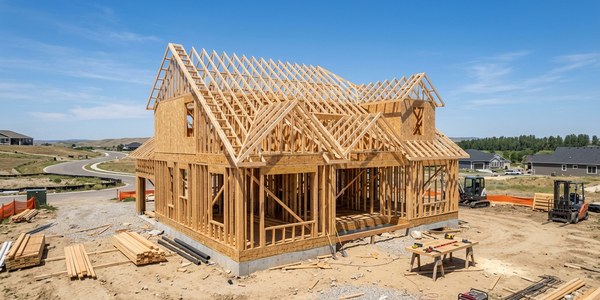
VA loans are not limited to turnkey properties. There are renovation options available that allow veterans to purchase a home “as-is” and complete repairs or improvements after closing.
“This expands buying opportunities beyond move-in-ready homes,” Ramirez said.
In addition, veterans can explore properties with up to four units, provided they occupy one of the units as their primary residence. These purchases can still qualify for 100% financing.
Myth No. 7: Your appraisal may be a roadblock with a VA loan
VA loan home inspection requirements aren’t as scary as they may appear. Appraisals use the same comparable sales (“comps”) methodology, where the home you hope to purchase is compared to other similar homes that sold recently in the area.
The key difference is the additional review process.
VA appraisals go through a staff appraisal reviewer (SAR), who ensures accuracy and flags any required repairs or inconsistencies.
This added layer is designed to protect the veteran, not restrict the transaction, said Ramirez.
Myth No. 8: You must be a veteran to use a VA loan
To qualify for a VA loan, you must be an active service member, veteran, or a member of the National Guard or reserves. Spouses and former spouses of a service member may qualify if their partner is missing, a prisoner of war, or died and they haven’t remarried.
“While non-veteran co-borrowers may be included, note this often impacts entitlement usage and may require a down payment,” explained Ramirez.
Additionally, non-veterans can often assume a VA loan from a home seller. But this will impact the original VA buyer’s entitlement. This may make it tough for the seller to purchase a new home using a VA loan.
Costs to know before you apply for a VA loan
While VA loans offer a variety of benefits for those in the military community, they do come with a few costs. Before you apply for one, it’s important to become familiar with what you may owe.
Appraisal fees
Properties must go through an appraisal to determine their value and ensure they meet the VA’s minimum requirements. In most cases, borrowers are responsible for appraisal fees. These typically range from between $500 and $900.
Funding fees
Instead of a down payment, VA loans often require a funding fee. First-time users pay 2.15% of the loan amount with zero down, and repeat users pay 3.3%. You may be eligible for a tax deduction on these fees.
Veterans with any level of VA disability compensation are completely exempt.
Closing costs
Closing costs are not automatically covered by the VA. These costs can be paid by the buyer, negotiated with the seller, or covered through lender or agent credits.
“In many cases, they’re structured into the transaction through seller concessions,” said Ramirez.
Anthony Ramirez NMLS #249819
Author


 Stay one step ahead