
Homebuyers
The 15 Most LGBTQ+-Friendly Cities in America for Renters and Homebuyers in 2026
June 11, 2026
For many LGBTQ+ renters and homebuyers, finding a place to live is about more than square footage, home prices, or commute length. Feeling safe, welcomed, and legally protected can matter just as much as affordability when deciding where to put down roots.
That may help explain why familiar LGBTQ+ hubs continue to dominate national rankings of the most lesbian, gay, bisexual, transgender, and queer cities. New York City, San Francisco, and Los Angeles took the top spots, according to a recent report from LGBTQ+ travel and lifestyle platform Out x Out.
Whether relocating for work, retirement, family, or simply a fresh start, many LGBTQ+ homebuyers are seeking local housing markets where queer communities are visible, legal protections are robust, and acceptance is woven into daily life.
“A great [homebuying] experience starts with trust,” said Maia Benson, a New American Funding loan consultant based in Northbrook, Ill. “Buyers feel comfortable asking questions, discussing goals, and making informed decisions without feeling like they need to edit who they are or explain their family structure.”
Out x Out ranked cities based on a combination of LGBTQ+-specific factors, including queer nightlife, events, community visibility, legal protections, safety, and neighborhood infrastructure.
Why New York City topped the list for LGBTQ+ homebuyers
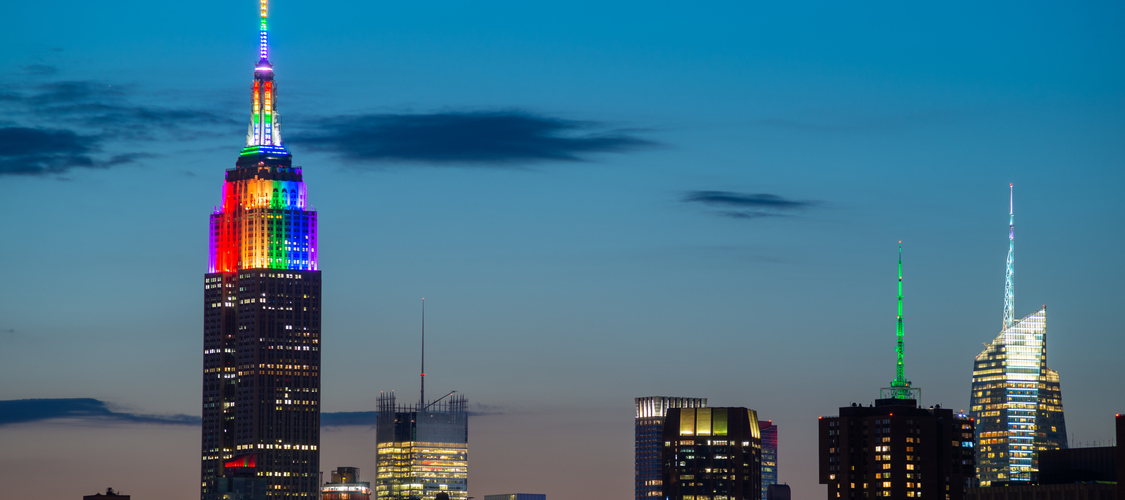
New York City claimed the No. 1 spot on Out x Out’s list. That’s thanks to its deep LGBTQ+ history, extensive queer nightlife, visible community, and legal protections.
For LGBTQ+ renters and homebuyers, the appeal of the nation’s largest city often goes beyond its iconic landmarks. Neighborhoods such as Greenwich Village, Chelsea, Hell’s Kitchen, and parts of Brooklyn offer long-established queer communities, LGBTQ+-owned businesses, and social networks that can make moving feel less isolating.
New York is also home to the historic Stonewall Inn in Manhattan, the birthplace of the modern LGBTQ+ rights movement and Pride celebrations. This helped cement the city as a cultural center for queer Americans.
While the local housing market remains among the nation’s priciest, many LGBTQ+ homebuyers continue to prioritize access to community, legal protections, and a sense of belonging.
San Francisco remains a queer community powerhouse
San Francisco ranked No. 2, underscoring its long-standing reputation as one of the country’s most LGBTQ+-friendly cities.
The city scored highly for its LGBTQ+ infrastructure, events, nightlife, and community presence. The Castro neighborhood remains one of the world’s best-known queer neighborhoods, while California’s strong LGBTQ+ protections continue to make the state attractive to many buyers.
“California is also a safe haven for gay people,” said Geoffrey Moore, a real estate agent in Palm Springs, Calif., who frequently works with LGBTQ+ clients. He works at Town Real Estate. “They don’t have to worry about state laws jeopardizing their rights.”
Although the San Francisco housing market can be prohibitively expensive for some homebuyers, many buyers view the trade-off as worthwhile for the sense of safety, acceptance, and representation.
Why Los Angeles still draws LGBTQ+ homebuyers
Los Angeles came in at No. 3, earning points for its size, diversity, entertainment culture, and LGBTQ+ neighborhoods.
Areas such as West Hollywood, Silver Lake, and Long Beach have long attracted LGBTQ+ residents seeking community, nightlife, and visible representation. Los Angeles also offers something increasingly important to many homebuyers: options.
Compared with dense urban cores such as Manhattan or San Francisco, the greater Los Angeles housing market encompasses a wider range of neighborhoods, lifestyles, and price points.
Many LGBTQ+ buyers are also considering long-term quality of life when relocating, Moore said, particularly retirees moving from more expensive cities to places that still offer strong queer communities.
“For the most part, the buyers I’m working with are leaving the big cities in retirement and looking for a quieter and more affordable life,” he said.
What LGBTQ+ homebuyers should look for before moving
LGBTQ+ renters and homebuyers often consider more than mortgage payments and home prices when moving to a new city.
Experts recommend researching local anti-discrimination protections, healthcare access, LGBTQ+ community organizations, neighborhood culture, and whether the area has LGBTQ+-friendly real estate agents, lenders, or allies.
Using affirming professionals can make the process more comfortable, according to Benson.
“Homeownership expands possibilities,” said Benson. “Buyers deserve a process that meets them where they are and supports the life they’re building.”
The 15 Most LGBTQ+-Friendly Cities in the U.S. in 2026
The most LGBTQ+-friendly cities in 2026 spanned the U.S., including some of the nation’s largest cities on the coasts.
- New York City
- San Francisco
- Los Angeles
- Chicago
- Provincetown, Mass.
- Washington, D.C.
- Palm Springs, Calif.
- Fort Lauderdale, Fla.
- San Diego
- Seattle
- Las Vegas
- Boston
- Denver
- Key West, Fla.
- Minneapolis and St. Paul, Minn.
Honorable mentions
Out x Out also highlighted several additional LGBTQ+-friendly cities across the country, including:
- New Orleans
- Fire Island, N.Y.
- Miami
- Atlanta
- Philadelphia
- St. Petersburg, Fla.
- Dallas
- Houston
- Portland, Ore.
- Phoenix
Maia Benson NMLS # 756742
Author

 Stay one step ahead