Homebuyers
How Much Does It Cost to Build a Home vs. Buying a Home? What Buyers Need to Know
July 23, 2026
Building a custom home gives you the freedom to choose what you want in your property, from the neighborhood down to the light fixtures.
If you can’t find the right home for you on the market and are considering working with an architect to design your own, the most logical next question is often how much does it cost to build a home? That depends.
When it comes to new home construction, location matters. As does the amount of square footage, the features and finishes you prefer, and the style of the home.
“The biggest mistake buyers make is looking for one national number,” said Buz Artiano, founder and CEO of BuildX, a custom homebuilding and renovation company based in Southeastern Massachusetts. “There isn’t one.”
The good news is buyers may be eligible for construction loans which allow them to bundle the costs of building a home and the ensuing mortgage into one home loan.
Here’s a realistic look at the cost to build a home, how long it might take, and how to finance the construction.
How much would it cost to build a home?
There isn’t a set cost of how much it will cost to build a custom home. The price per square foot and other factors vary by builder, location, and the features you want in your home.
Still, buyers still need a starting point to work from, so here’s a national benchmark: In 2024, building a typical single-family home cost about $428,215, according to the National Association of Home Builders. That translates into about $162 per square foot for a 2,647 square feet residence.
That’s the highest number on record. But your actual cost for a new construction home could be higher or lower depending on the specs, amenities, and where you have it built.
- Different kinds of homes cost more: Choosing your own layout, flooring, finishes, fixtures, and so forth usually costs more than accepting the homebuilder’s standard floor plan. More square footage and higher-end materials also increase your cost.
- Location: The price per square foot of a custom home can be very different across the country, according to an NAHB analysis of 2024 data. Within those regions, costs can still vary greatly.
- Northeast: $190
- Middle Atlantic: $188
- East North Central (Midwest): $186
- Mountain: $169
- Pacific: $167
- West South Central (South): $138
- East South Central (South): $129
This data shows that buyers in the Northeast and Midwest tend to pay the most to build a custom home, while those in the South pay the least.
What to expect when building a custom home
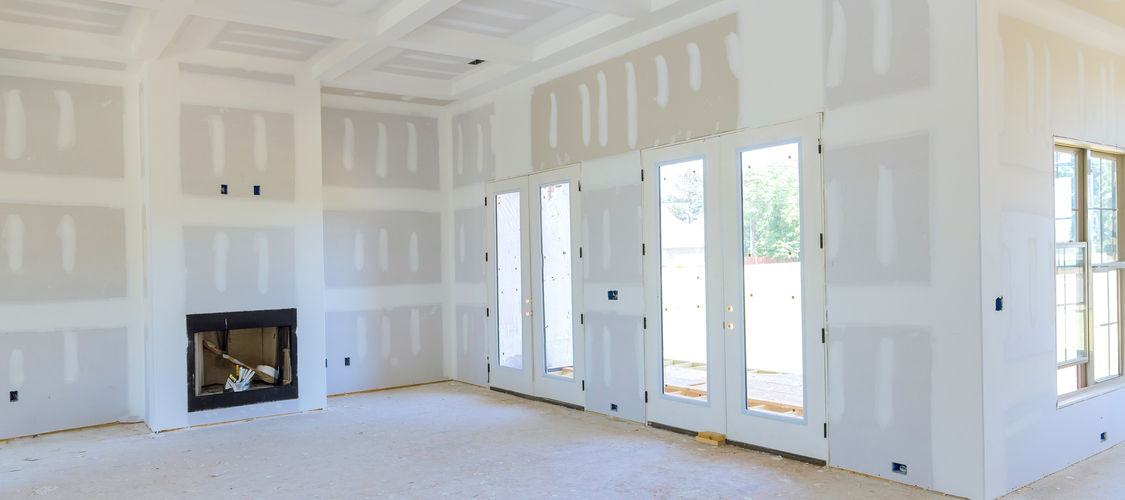
You may be surprised by how long it takes to complete construction on a custom build. Typically, it takes about 6 to 18 months, according to experts.
The exact timeline depends “on its size, complexity, weather, inspections and material availability,” said Artiano.
Indeed, a new single-family home built by a hired contractor took about 12 months on average in 2024, while one built by the owner took roughly 15 months, according to NAHB’s analysis of Census data. Building your own home usually takes longer than buying a builder's finished spec home.
Budgeting, design, site evaluation, and permitting all happen before construction begins. Depending on where the home is going up, approvals can take weeks or even months.
You’ll also need to add in time for inspections. Typically, your home must be checked at several points, including the foundation, framing, plumbing, electrical, insulation, and energy compliance stages. The home must also pass a final inspection before you can get the keys.
Even with careful planning, you may still face unexpected costs.
“Site work is almost always the biggest surprise,” said Artiano. “People understandably focus on the floor plan, kitchen and finishes. But they often overlook what’s required before construction even begins.”
This work, which includes clearing, excavation, septic or sewer hookups, water service, drainage, and utility connections, can swing the total project cost by tens or even hundreds of thousands of dollars.
“The second surprise is upgrades. Individually they don’t seem expensive, but better windows, larger kitchens, higher ceilings, custom trim, upgraded flooring, lighting, appliances, and outdoor living spaces can add up quickly if they’re not planned from the beginning,” he said.
Another challenge to expect when building a custom home is that your choices can affect the timeline. Prices for materials, appliances, and other building supplies may also rise during construction.
“The biggest delays usually aren’t construction, they're decisions,” he said.
Keep in mind, items like cabinets, windows, flooring, plumbing fixtures, and appliances may need to be ordered several weeks or months in advance. If you take too long to decide, the next stage of work could be delayed.
To keep the project moving, Artiano recommends making key choices early, working with an experienced builder who creates a detailed schedule before construction starts, and avoiding major design changes once the work is underway.
How construction loans work
A construction loan works a little differently than a regular mortgage. Instead of receiving one lump sum, you get the money in stages as the work gets done. You typically pay interest only on what you’ve drawn.
With a construction-only loan, once your home is finished, you usually pay off the construction loan with a separate, permanent mortgage. That means you'll have two closings and two sets of closing costs.
Your other option is a one-time-close loan, or a construction-to-permanent loan. This type of loan funds the construction of your home and then automatically converts to a permanent mortgage once construction is complete, all with one closing.
The bottom line on the cost of building a home
So, how much does it cost to build a home? It depends on the home you want to build and where you build it. The more you work with your builder to plan ahead and make key decisions before construction starts, the better your chances of staying on budget.
“The smoothest projects aren't necessarily the simplest, they’re the ones where the homeowner, builder, and design team make decisions early and stick to the plan,” said Artiano.
Author

 Stay one step ahead