Homebuyers
Should You Buy a New Home or an Existing One Right Now?
October 2, 2025
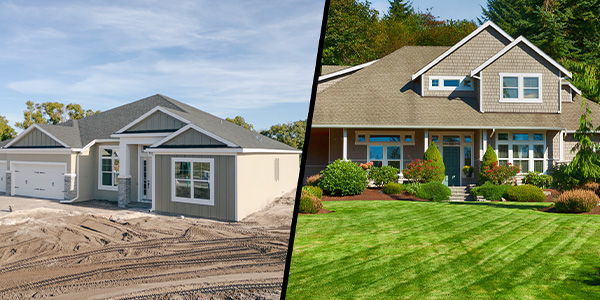
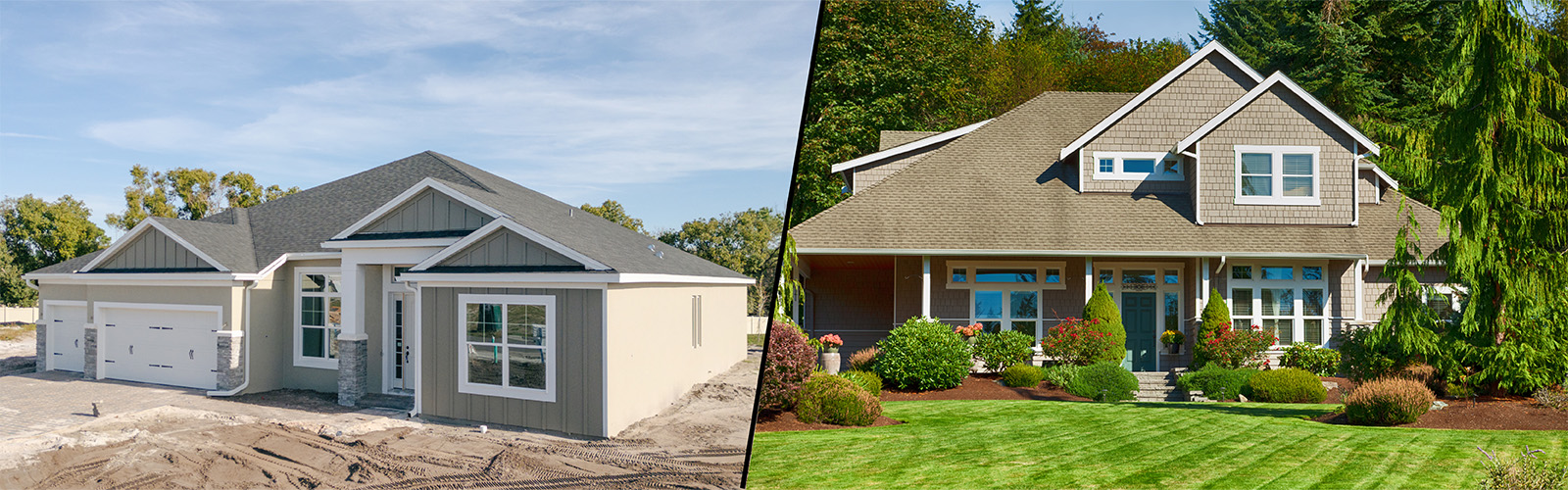
For anyone shopping for a home, one question often looms large: Should you buy new construction or make an offer on an existing home?
Both homebuying options come with their own pros and cons, from shiny appliances and builder warranties in new homes, to established neighborhoods and historic details for existing homes.
Deciding where your money goes can vary significantly with each type of home, shaping not only your budget but also your day-to-day life.
Here’s how the trade-offs stack up between buying a new or existing home.
New homes: More availability and shiny finishes
Homebuyers in many parts of the country, especially the South, may find it easier to secure a new build than an existing one.
Builders have been working overtime to meet the pent-up demand for new construction. The housing stock of new homes was 490,000 in August, according to the latest U.S. Census Bureau and U.S. Department of Housing and Urban Development (HUD) data. This represented a 7.4-month supply.
For buyers, these numbers add up to more choices and more leverage.
“New homes are always appealing, no one has lived there, and you will be the first owner,” said Marty Zankich, a real estate expert and the owner of California’s Chamberlin Real Estate School in San Jose. “Builders are also making it more appealing by offering loads of incentives to attract the right buyers.”
Indeed, builders often offer perks like quartz countertops, EV-ready garages, and smart-home packages.
They may also temporarily, or permanently, buy down mortgage rates resulting in lower mortgage payments for homebuyers. These rate buydowns may take a full percentage point or more off your first few years of payments or even for the duration of your loan.
For buyers squeezed by the economy, that incentive alone might tilt the scales toward new construction.
And since newly built homes must meet today’s tougher energy codes (think double-paned windows, thicker insulation, and Energy Star appliances), these features may save you money long after closing.
The trade-offs of buying new home construction
New homes are now cheaper than existing ones.
The median price of a new home in the U.S. exceeded $413,500 in August, according to the Census and HUD report. That was nearly $10,000 less than the roughly $422,600 July price tag for an existing home, according to the National Association of Realtors.
That $10,000 spread is significant, but remember: new construction often comes with higher property taxes, pricey HOA dues, and a location on the suburban fringe where land is plentiful.
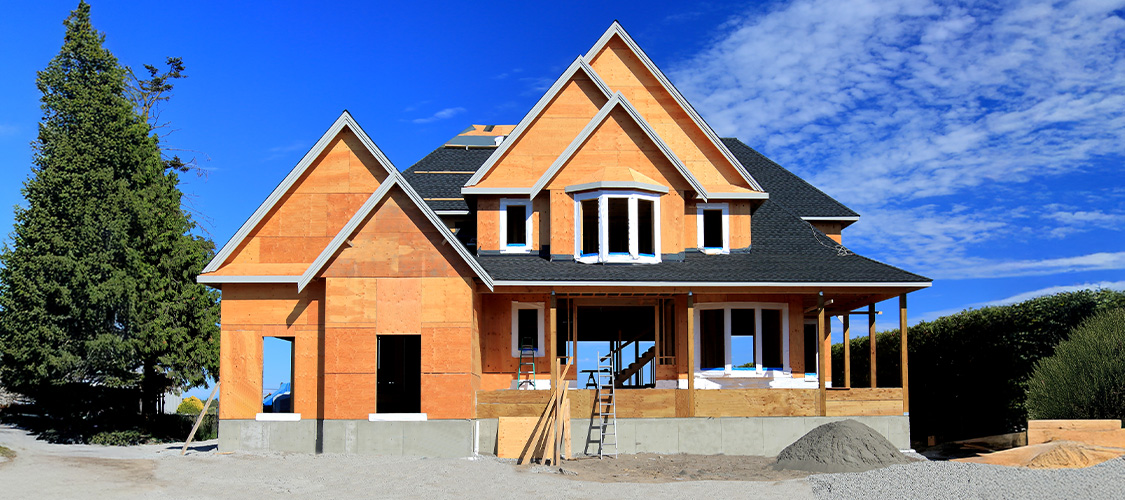
Buyers should also brace for the reality of living in a construction zone. If you’re one of the first to close in a new subdivision, heavy machinery and unfinished streets may be your daily backdrop for months, even years.
And while builders advertise move-in-ready timelines, delays tied to labor shortages or supply chain issues can stretch expected closings.
Another consideration is character. A newly built home might feel cookie-cutter, especially in larger developments, and won’t have the older trees and established community of an older neighborhood.
Existing homes: established neighborhoods plus room to negotiate
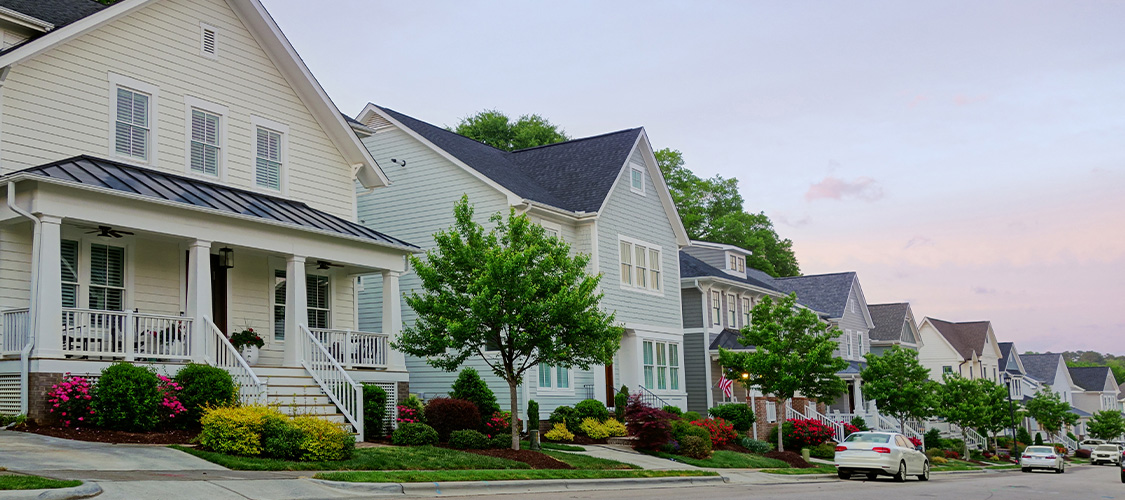
On the resale side, buyers gain what new construction often can’t replicate: location.
Think mature neighborhoods with trees, schools, shopping, and commutes that are already mapped out. Walkability, community culture, and a sense of history all come baked in.
“Existing homes have character and charm in spades, and this is something a new home can’t fully replicate,” said Zankich.
Buyers may also have more wiggle room on the price.
In July, the share of homes that had their asking price reduced was 27.4% nationwide, according to a report from Zillow. Sellers of existing homes may be more open to negotiations, especially if they need to sell in a hurry.
“You can make a deal with the seller to agree to concessions that could benefit the closing costs or even include repairs,” said Zankich.
Then there’s size. In many markets, older homes offer larger lots than new developments. If a backyard big enough for a pool or garden is part of your dream, the resale market may be the place to find it.
The downsides of buying existing homes
The phrase “good bones” often comes with hidden costs. Older homes may demand immediate upgrades, from a roof replacement to a furnace on its last legs. And renovation costs may run higher than expected, especially if you’re eyeing imported tile or European fixtures caught in tariff crossfire.
And then there’s efficiency.
An old Victorian might come with charm, but it won’t deliver the energy savings of a 2025 build. Drafty windows and outdated insulation typically result in higher monthly utility costs.
“The sweet spot is homes 10 to 20 years old where you can see the bones and upgrade strategically,” said Jeff Lexvold, a contractor throughout Florida. “I just finished a whole-home renovation on a 2008 build, but we modernized the kitchen, baths, and systems for way less than new construction costs.”
Which kind of home makes more sense right now?

If your budget is tight and predictability is a priority, a new home offers fewer unexpected expenses in the first five years of ownership.
On the flip side, if you value location above all, an updated existing home may be the better play.
The smartest move is to run the numbers on both paths in your local market. Compare the monthly costs of a new home with builder incentives against the purchase price and the potential upgrades of an older property.
“The answer will entirely depend on what the person prioritizes, their financial situation, and if they are willing to compromise on certain things or not,” said Zankich.
Author




 Smart Moves Start Here.