

Homebuyers
Is That Home Really Affordable? What “Affordable” Means When You’re a Homebuyer
January 12, 2026
Buying a home today can feel financially overwhelming, especially when the term “affordability” keeps making headlines as something slipping further out of reach for many.
So, what does “affordability” mean when you’re buying a home? Try not to think of it as something only tied to home prices or mortgage rates. Instead, think of affordability as a personal decision shaped by your income, monthly costs, plans, and overall flexibility.
Indeed, two buyers can look at the same home and reach different conclusions about whether it’s affordable. Both can make wise choices.
For some buyers, they are not waiting for it to become cheaper to buy a home. They are defining it for themselves, using more straightforward math and more realistic expectations. Here is how that works in practice.
Homebuyers should start with a monthly payment you can live with
One of the most crucial affordability numbers is your monthly mortgage payment.
The typical U.S. household would need to spend about 44.6% of its income to afford a median-priced home, compared with roughly 25% before the pandemic, according to June’s Realtor.com’s Affordability Report. That shift explains why buyers are approaching the market more carefully.
Instead of focusing on the maximum loan amount they qualify for, many buyers are setting a monthly payment that leaves room for savings, childcare, travel, and unexpected expenses.
A budget with a cushion reduces the possibility of financial strain and helps home ownership feel manageable over time.
Homebuyer tip: Ask your lender to walk through what a payment looks like at several price points, not just the top of your approval range.
Homeowners should look beyond the mortgage payment

Mortgage payments still account for the bulk of overall affordability. But they may not tell the whole story when it comes to buying a home.
Every buyer must also consider property taxes, homeowner association (HOA) fees, utilities, and maintenance. These all add to the monthly cost of a home.
For many would-be buyers, homeowners’ insurance has become a bigger factor, with premiums rising sharply in some areas.
Indeed, two homes with similar prices can feel very different financially. A slightly higher-priced home with lower insurance or maintenance costs may be easier to afford than a cheaper home with ongoing budget-busting surprises.
Homebuyer tip: When shopping for a home, request insurance estimates and review tax histories early, before committing emotionally.
Home price cuts don’t always solve affordability
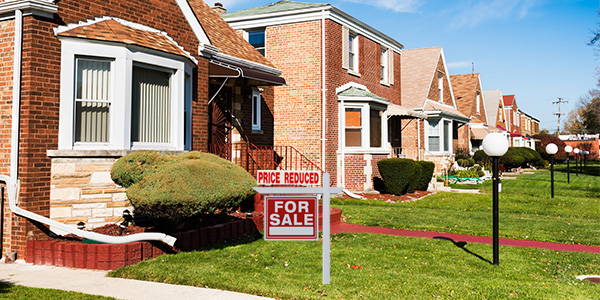
Buying a home with a hefty price reduction can help balance your budget, but it does not automatically make a home affordable.
With mortgage rates still elevated, even discounted homes can carry monthly payments that stretch budgets. A lower list price may translate into modest savings that is quickly offset by insurance costs, tax reassessments, or repairs.
Be aware that some homes that look like deals sit on the market longer.
Homebuyer tip: Focus on total monthly ownership cost, not just the discount off the asking price.
Homebuyers should factor in how long they plan to stay in the home
Time has become an essential part of the affordability equation.
Buyers planning to stay in a home longer can spread upfront costs over more years, making ownership feel more sustainable. Buyers expecting to move sooner need more flexibility, since transaction costs leave less room for error.
Individual timelines are one reason adaptable homes are drawing more interest. Space for remote work, extra bedrooms, or flexible layouts can reduce the need for another move. This may save money in the long run.
Homebuyer tip: If you expect to stay in the home seven to 10 years or more, you may be able to prioritize long-term fit over short-term price.
Think about the home’s location for the long-term
Housing affordability means different things in different parts of the country.
For example, some buyers may prioritize housing markets with strong job bases and steady demand. Others find affordability by staying in their preferred neighborhood but adjusting their expectations around the size or age of a home.
“Some markets offer affordability not because of lack of value, but because of local economics, population flow, and job diversity,” said Dan Rochon, a real estate broker in Clifton, Va. and author of “Real Estate Evolution.”
In each case, buyers can weigh the cost of a home alongside larger life factors and choose options that align with income stability and future plans.
Homebuyer tip: Consider job growth and resale demand alongside home prices when evaluating affordability.
Housing flexibility adds real value
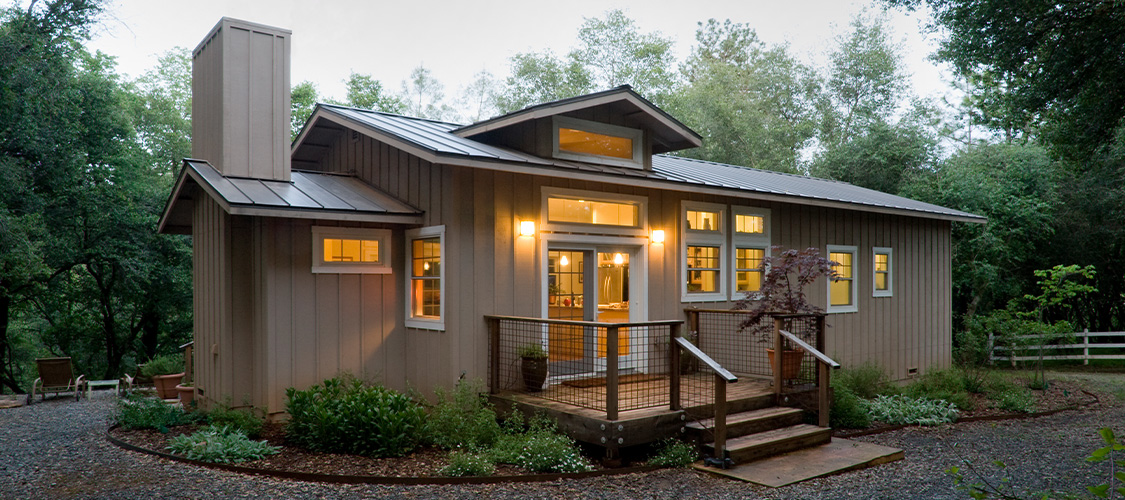
Flexibility has become an underappreciated part of housing affordability.
Homes that are easier to sell, rent, or refinance offer options if circumstances change. That optionality can make a slightly higher-priced home feel more affordable over time, especially in an uncertain economy.
Another consideration is if the home you have your eye on allows for an additional dwelling unit (ADU). For some homeowners, ADUs provide flexible living space for aging parents or adult children. For others, the appeal lies in potential rental income, whether from long-term tenants or short-term rentals where permitted.
A lower-priced home that limits future choices can become costly quickly if life changes.
Homebuyer tip: Consider how adaptable the home would be if your needs change.
Author


 Smart Moves Start Here.