

Homebuyers
Great Home, Nightmare Neighbors? How to Avoid a Bad Match
October 24, 2025
You can fall head over heels for a home with just the right amount of square footage, an Instagram-worthy kitchen, and a big backyard. But if your neighbors are noisy, nosy, or a nuisance, the perfect home can turn into a nightmare.
The right neighbors can become family. They’ll watch your children and pets, share tools, and even swap vacation homes. The wrong ones can make you question your decision to buy the home in the first place.
Vetting potential neighbors isn’t about being picky. It’s about protecting your peace.
For 82% of Americans, having good neighbors is just as important as price or location when it comes to buying a home, according to a 2025 survey by Anytime Estimate.
In fact, some homebuyers are willing to pay to avoid trouble. About one in five said they’d pay $10,000 or more beyond a comparable home’s price just to avoid a problematic neighbor.
Without running afoul of federal fair housing laws, there are still fair, ethical ways to gauge whether you’ll feel comfortable in your new community.
“The vetting process is often forgotten, but it could save years of headaches,” said attorney Christopher Migliaccio at Warren & Migliaccio in Richardson, Texas. “I have had clients who were excited about their new home, but very quickly confronted with unbelievable neighbors.”
So, while the home may check every box on your wish list, the real deal-breaker might be next door. A little curiosity now can spare you years of frustration, and ensure your new address really feels like home.
How to find out more about your future neighbors
Before you fall in love with a house, townhome, or condo, take a closer look at what’s happening beyond the property line. Small steps can reveal whether a neighborhood or building feels friendly, lively, or just plain chaotic.
The signs of a neighborhood mismatch aren’t always obvious. While neglected yards can be red flags, there are often more subtle clues, too.
You can start with simple observation. Try visiting at different times of day to see how the area feels. Catch the morning school rush, evening dog walks, or maybe that neighbor who cranks their speakers every Saturday night.
Stop by a yard sale, stroll through a block party, or attend a neighborhood council meeting to get a feel for the community vibe. Facebook, WhatsApp, or Nextdoor groups can also reveal neighborhood harmony or discord.
“A neighborhood in which homes continuously sell and resell quickly, or [homeowner association] meeting notes consist of frequent complaints, may indicate tension between neighbors,” said Elena Novak, lead real estate researcher and analyst at Property Checker. “But individual characteristics such as loud children or strange landscaping aren’t necessarily bad. They tend to just indicate the neighborhood has character.”
Most homebuyers are looking for neighbors they can trust, according to the Anytime Estimate survey. Just over half would prefer someone who is quiet, while just under half want neighbors who maintain their homes and yards.
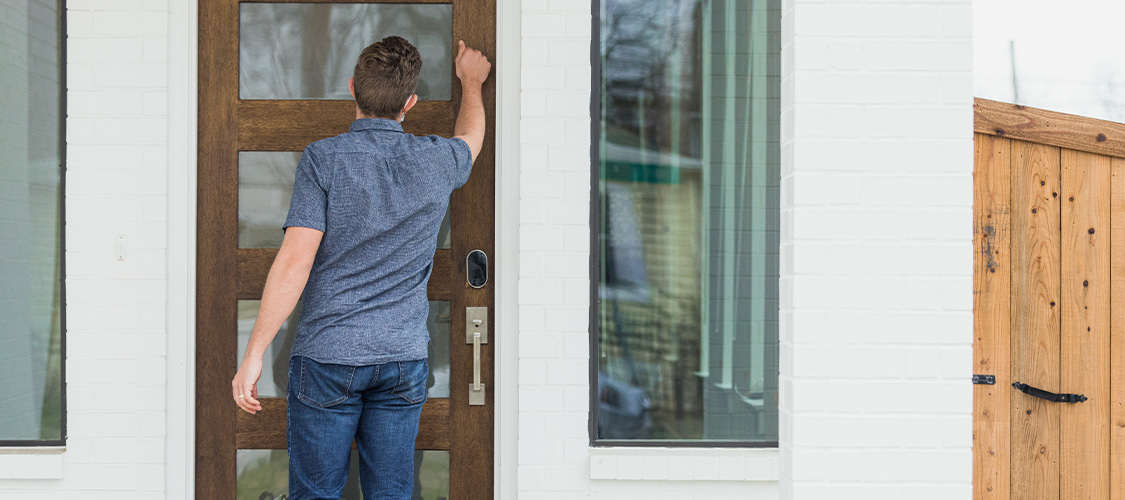
“The best intel comes straight from the source,” said Novak. “Knock on a door, introduce yourself as a potential buyer, and just ask, ‘How do you like living here?’ You’ll learn more in two minutes than from any brochure.”
A few friendly introductions now can save you from unwanted surprises, and maybe even start a new friendship before you move in.
What to do if you don’t get along with your neighbors

Even in the best neighborhoods, personalities can clash. But there are steps you can take if you don’t get along with your neighbors.
Start with a calm, in-person conversation. Many misunderstandings can be cleared up with a friendly chat.
“A face-to-face chat solves more than people expect,” said Novak. “But if it doesn't work, keep a simple log from day one to have proof if there is a need to take legal action.”
Some homeowners’ associations and local governments offer free mediation services to help neighbors settle disputes without lawyers. If tension continues, there are practical fixes like privacy hedges, soundproofing, or fencing that help create healthy boundaries.
Disagreements don’t have to ruin your home life. Handling them early and respectfully keeps small annoyances from becoming major headaches.
When all else fails, remember that fences can make peaceful homeowners, too. A few extra visits, some friendly conversations, and a bit of observation can spare you years of stress.
Author



 Stay one step ahead