

Homebuyers
Fixer-Upper Loans: What Homebuyers Should Know Before Taking on a Renovation Project
August 24, 2026
For homebuyers searching for a deal in today’s competitive housing market, fixer-uppers can be tempting. The lower price tag and potential to build equity are appealing, especially for those willing to put in the time and work to transform a project into a home.
But for those who plan to live in the fixer-upper, the difference between a smart opportunity and a costly mistake often comes down to what’s hiding beneath the surface.
“People see the ugly house and think, ‘I can make this beautiful,’” said Ryan Smith, founder of Cinch Home Buyers in Cary, N.C. “But you have to ask yourself: Do you have experience? Do you have grit? Is this something you actually want to do?”
For buyers who find the right property, a fixer-upper can be a path to homeownership and wealth-building. Mortgages, like an FHA 203(k) loan, may help qualified buyers purchase a home and cover renovation costs as part of their loan.
These fixer-upper financing options can make a major renovation project more accessible. However, they also require careful planning.
Before applying for fixer-upper mortgages, buyers need to understand what makes a renovation project worth taking on…and what should make them walk away.
When a fixer-upper may make sense
Not every fixer-upper is a risky purchase. Some homes simply need cosmetic updates, such as fresh paint, new flooring, updated fixtures, or a modern kitchen.
A home with “good bones,” meaning the structure, layout, and major systems are in good condition, may provide a chance to create value without taking on overwhelming and prohibitively expensive repairs.
Location also matters. A dated home in a desirable neighborhood may offer more potential than a fully updated home in an area with less demand.
“The easiest fixer-uppers are the ones that don’t have massive damage, where you can put $10,000 in and gain $40,000,” Smith said.
However, he added that some of the biggest opportunities can come from homes other buyers avoid. These are often the cheapest properties, but they may require the most repairs.
For most homeowners, the key is understanding whether the problems are manageable — or whether they signal much larger issues.
Understanding home renovation loans and FHA fixer-upper loans
One of the biggest challenges with fixer-uppers is finding a way to pay for repairs while also covering the purchase price.
A home renovation loan allows buyers to finance improvements along with the cost of purchasing the property.
One popular option is an FHA 203(k) loan, often referred to as a Federal Housing Administration (FHA) fixer-upper loan. It allows eligible buyers to combine the purchase of a home with approved renovation costs into one mortgage.
These fixer-upper loans can be especially useful for homes that need updates before they are move-in ready or properties that may not qualify for traditional financing because of their condition.
Another option is a Fannie Mae HomeStyle Renovation loan, which allows qualified borrowers to finance a wide range of improvements through a single mortgage.
While a loan for home renovations can make a fixer-upper more accessible, buyers should be prepared for additional steps. These include contractor estimates, home inspections, project approvals, and be ready to provide plenty of documentation.
Red flags that could turn a fixer-upper into a money pit
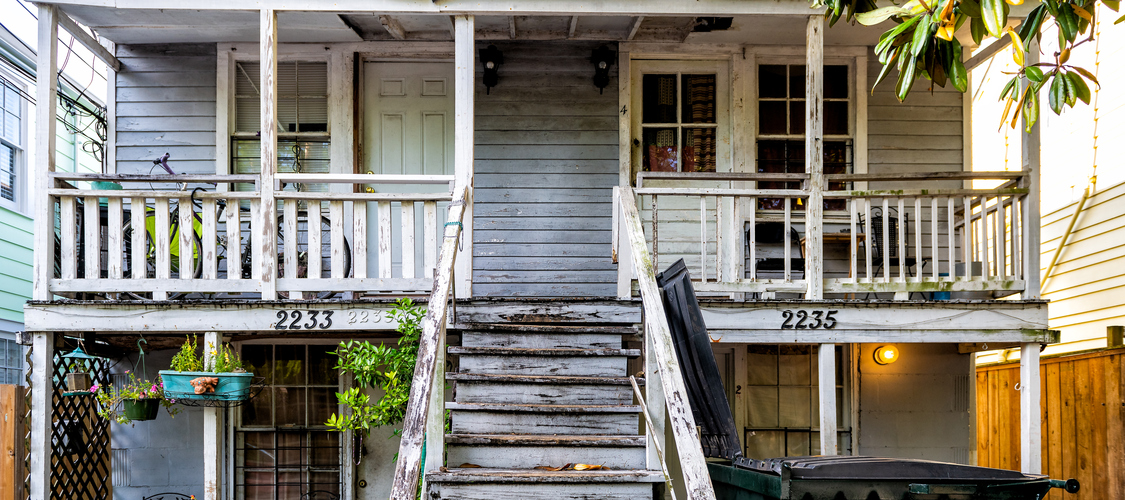
Before buying a fixer-upper, experts recommend looking closely at major systems that can quickly turn a bargain into a financial burden.
The biggest concerns include:
- Foundation or structural problems
- Roof replacements
- HVAC systems
- Electrical panels and wiring
- Plumbing issues
- Mold, water damage, or pest infestations
“These are major big-ticket items,” Smith said. “Depending on the home, each one of those can easily get into the five figures.”
Hidden damage is one of the biggest risks with fixer-uppers because homes can conceal expensive problems behind walls, floors, and ceilings.
Smith learned that firsthand after purchasing a home where a renovation uncovered a severe termite infestation.
“What I thought would have been a $10,000 renovation for a couple of rooms ended up being a $60,000 renovation,” he said. “Homes are notoriously good at hiding things behind walls.”
Buyers should also research whether a home is located in a flood-prone area before making an offer. Checking FEMA flood maps and getting flood insurance quotes early can help reveal potential long-term costs.
“A house that’s been flooded before [often] gets flooded again,” Smith said. “Insurers know each property’s record, even when the drywall looks amazing.”
Expect delays and budget for surprises with fixer-uppers
Even the best renovation plans rarely go exactly as expected.
Smith recommends building extra room into any renovation budget.
“Take your honest renovation estimate and add another 30% to it,” he said. “That extra percentage is your cushion.”
Unexpected repairs, delayed materials, and contractor scheduling issues can all add time and money to a project. A six-month project can easily take nine months or longer, which can add to the costs. It could also mean that you’re paying for accommodations for longer than anticipated.
Ultimately, buyers need to consider more than just whether they can afford the home. They need to consider whether they can handle the renovation process.
“There’s a way to fix everything on a house,” Smith said. “There’s a way to do it the right way, but there’s also a way to do it the wrong way.”
A fixer-upper can be a smart way to create value, but only when buyers understand the risks, know what they’re taking on, and have a realistic plan for getting across the finish line.
“At the end of the day, deal breakers are your time into the deal, does it cash flow, and most importantly, your sanity,” Smith said.
Author




 Stay one step ahead