Homebuyers
How Buying a Townhouse Can Be the First Step into Homeownership
October 5, 2026
Looking to buy in today’s housing market but concerned you may be unable to swing the steep prices of a single-family home? You might want to consider the townhouse pathway to homeownership.
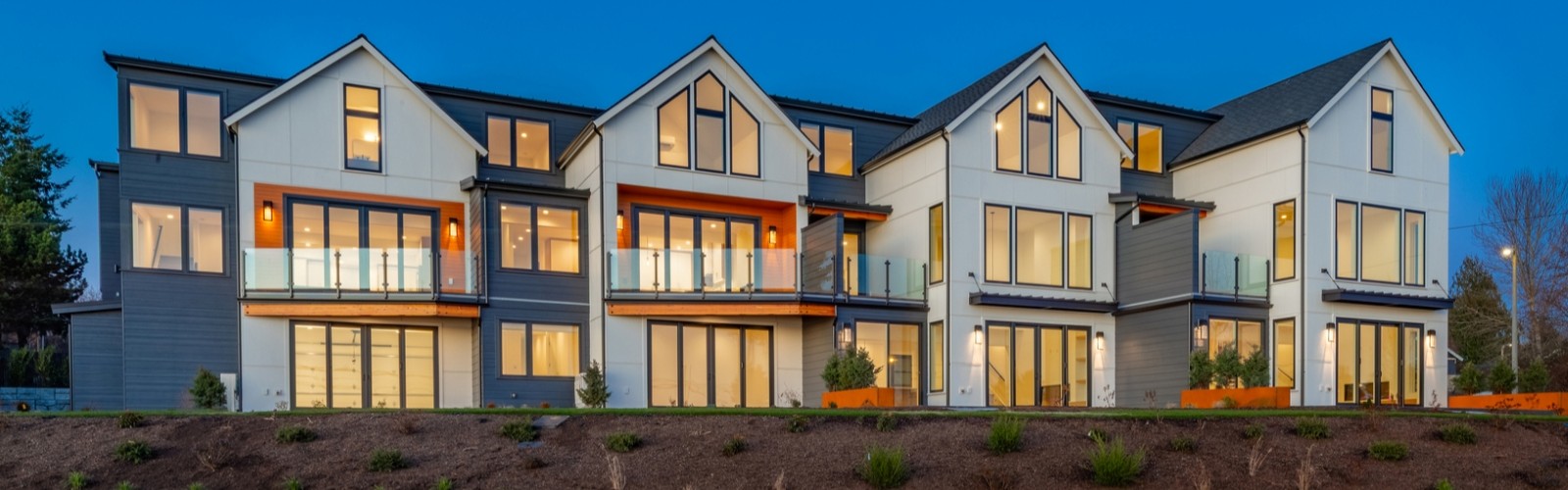
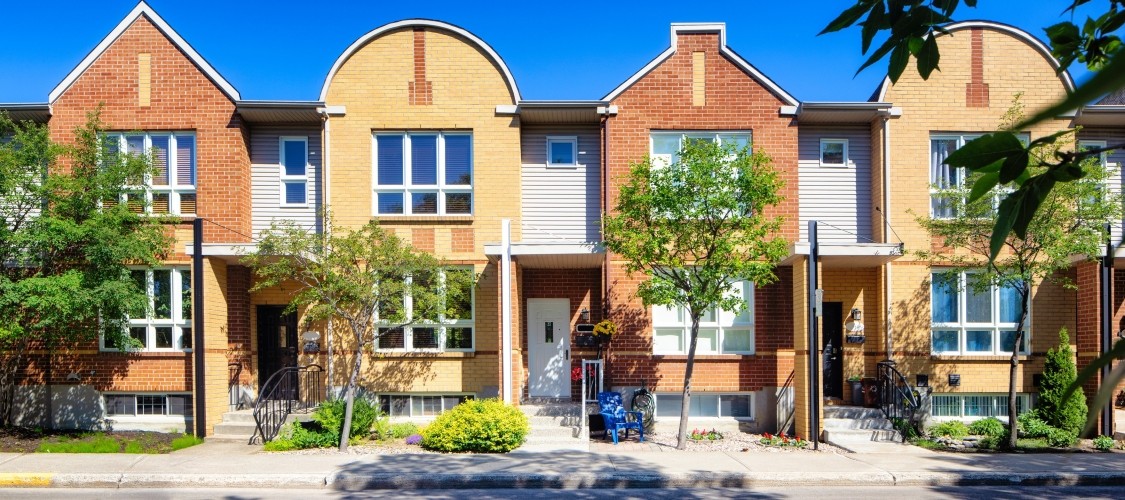
Townhomes, which are generally multilevel dwellings that share at least one wall with a neighboring property, can be a more affordable option than stand-alone homes in some areas. The result is that buyers are able to own a small piece of real estate while still staying within their budget.
“In markets where townhomes are priced below detached single-family homes, they can be a great stepping stone into homeownership,” said Susie Dempsey, a Corcoran real estate agent in Manhattan and the Hamptons, NY. “You’re building equity rather than continuing to rent, while potentially getting more space and privacy than you would in an apartment or condo at a similar price point.”
But what exactly are you buying with a townhouse purchase and is it really a good investment? Read on to learn what you need to know before making a townhouse the next place you call home.
What is a townhouse and how is it different than a condo?
While people use the terms townhome and condo interchangeably, they’re definitely not the same. The biggest difference between the two has to do with ownership.
With a traditional townhouse, you typically own the home itself as well as the land it sits on, similar to a single-family home. With a condo, you own only the interior (meaning your individual unit) and share ownership and responsibility for the building’s exterior and common areas.
Also, with townhomes, you don’t usually have anyone above or below you, which adds to the feeling of spaciousness, even with a shared wall.
What are the advantages of townhomes?
Townhouses are a great way to venture into owning real estate sans the stress of a larger home.
“You can potentially get more space, privacy and a true ‘home’ feeling compared with an apartment, often without the price or maintenance burden of a detached single-family home,” said Dempsey.
Depending on the property, you may also get private outdoor space, multiple floors, and your own entrance. Many townhouses include access to amenities within the development as well, such as pools, workout facilities, and shared green spaces. These attributes are all especially valuable in an urban or vacation market.
Are there disadvantages to purchasing a townhouse?
Shared walls are probably the most obvious consideration. Townhomes are also usually part of a larger development and therefore residents must pay dues and abide by any rules set forth by a homeowners association (HOA).
“Buyers also need to understand exactly what maintenance they're responsible for versus what the association covers,” said Dempsey.
In other words, you’ll at least be partly liable for the upkeep of the interior and exterior of your property. And since you’ll own the land under your townhome, you will also be required to cover any property taxes.
Are townhouses always more affordable than detached homes?
The answer to this one is, no. While a townhome can be a more affordable introduction into the housing market, a lot depends on location.
“In New York City, the term ‘townhouse’ often refers to an entire multi-story property, think a brownstone or limestone, and those can be extremely valuable single-family homes or multifamily properties,” said Dempsey. “So, in that case, a townhouse certainly isn’t always the more affordable alternative to a single-family home.”
However, in smaller markets, they can be a perfect way to dip a toe into purchasing property. They’re also often a more affordable option in luxury vacation locales.
“Townhomes are very popular in mountain towns because they can offer a lower price point, less maintenance, and great access to resorts and amenities,” said Jennifer Stickler, Principal Broker at Mountain Luxury, who added that townhouses can be a more accessible way to enter even higher-priced markets as well. “In Mountain Green, Utah for example, detached homes are around $1M, while some townhomes start in the high $500s.”
Dempsey sees similar trends in popular beach markets, adding that on the East End of Long Island (the Hamptons), location becomes a significant driver of value. “Buyers may be willing to trade some land or privacy for proximity to the water, town, restaurants, and other amenities.”
How do you know if a townhouse is a good investment?
Location is still the number one thing to consider as that will likely affect resale value.
“Look at recent comparable sales, how long similar homes are staying on the market and how the neighborhood has performed over time,” said Dempsey.
It’s also a good idea to consider the entry price, appreciation potential, and real rental history from local property managers, according to Stickler.
Additionally, make sure you understand the condition of the property and any major capital expenses that may be on the horizon.
“If the townhome is part of an HOA or association, review the financials, fees, reserves, insurance, and any planned assessments,” said Dempsey. “A lower purchase price isn't necessarily a bargain if there are significant expenses waiting around the corner.”
Is the financing usually the same as a single-family home?
Financing a townhouse purchase is very similar to that of buying a single-family home. That’s because owning the land underneath the unit as well as the townhome structure itself makes all the difference to lenders. Typically, it’ll be treated the same as purchasing a detached home.
“Buyers can generally obtain a traditional mortgage for a townhome, but the financing can depend on how the property is legally classified and whether it's part of a condo or HOA structure,” said Dempsey.
For the most part, you’ll want to follow the traditional steps towards homeownership including saving up for a down payment, getting pre-approval for a loan, and shopping for the right townhome to make your own.
“The best townhouse purchase is one that works both as a home you genuinely want to live in and as an asset that will remain attractive to the next buyer,” said Dempsey.
Author


 Stay one step ahead