

Homebuyers
Trying to Save Money on a Home Purchase? Explore Valuable Seller Concessions
October 6, 2026
If you’re like most homebuyers, you’re on the hunt for a good deal.
That’s where money-saving incentives and concessions come in. These can include mortgage rate buydowns, which can temporarily or permanently lower your interest rate, help with your closing costs, seller-funded repairs, builder upgrades, home warranties, and much more.
However, you’re more likely to benefit from concessions and incentives if you have your eyes on a home in a slower market, are shopping for new construction, or are open to properties that have been available for quite some time.
“When listings sit longer and competition thins out, motivated sellers become more flexible,” said Tiffany Sears, real estate broker-in-charge at The Sears Group in Charlotte, NC.
“That flexibility shows up in the form of concessions.”
Let’s dive deeper into the various incentives and concessions you may want to look into during your homebuying journey.
Mortgage rate buydowns can lower housing payments
With a mortgage rate buydown, the seller contributes funds to either temporarily or permanently reduce the interest rate on your mortgage. Buydown programs vary and there are many options out there.
For example, say you agree to a 2-1 buydown when mortgage rates are 6%. In the first year of your loan, your rate would be 4%, two percentage points lower than what rates were when you took out the loan. The next year you would have a 5% rate, one percentage point lower. And then rates would revert to 6% for the loan.
“[That] makes early mortgage payments much more manageable,” said Sears.
Large homebuilders may also offer temporary buydowns or even permanent ones that lower rates for 30-year, fixed rate loans in an effort to sell their newly built properties. This can help buyers score rates that are lower than what’s currently available on the market, sometimes resulting in big savings.
Seller concessions can save homebuyers money
Seller concessions are typically negotiated between the seller and buyer. The seller typically pays for something regarding the sale or the home that saves buyers some money.
The sellers could be builders or homeowners putting their properties on the market.
Below are some of the most common concessions:
- Closing costs coverage: The seller agrees to pay a portion (or all) of your closing costs. They typically run 2% to 6% of the home’s purchase price and pay for things like home appraisals, legal and lender fees, taxes, and the costs of pulling credit reports.
“There are limits based on loan type, but this could be a huge savings for the buyer,” said Sears.
- Included repairs: After the inspection, a seller may agree to fix problems with the home, such as those related to the roof, heating, cooling, electrical, or plumbing systems, rather than reducing the price of the property. This may save buyers quite a bit of cash.
- Home warranties: A seller may pay for a home warranty for one or more year. Typically, builders will offer this perk, but homeowners may also use it to sweeten a deal. This is typically worth anywhere from $500 to $800 and can give you some much needed peace of mind in case something breaks in the home. “It protects key systems and appliances,” said Sears.
How to negotiate seller concessions on a home

It’s up to you, the buyer, to educate yourself on seller concessions and work with your real estate agent to ask for them when they make sense.
For example, a seller may be inclined to offer concessions on a home that has been sitting on the market for a while without attracting any offers. However, sellers of a more affordably priced home with curb appeal and a line of interested buyers out the door are less likely to see the value in them.
Lead with a strong offer
Sellers are more open to concessions when they feel like the offer respects the value of their home. “Asking for concessions on a lowball offer rarely works,” said Sears.
Make the “ask” specific and justified
Rather than a vague request, your agent should tie the concession to something concrete, such as inspection findings or what’s been offered on comparable sales. It is easier to negotiate with the seller when the data backs up your request.
Know the market dynamics of the listing
A property that’s been on the market for a while can give you significantly more leverage than a listing that just went live this week. Sellers want to see if they can get good offers before offering concessions or lowering the price.
Time it strategically
After you have a home inspection completed is often the best window to negotiate. That’s because the inspection often reveals problems with the property.
“Once a seller knows their issues are documented, they're more motivated to resolve them rather than risk losing the buyer,” said Sears.
Builder incentives to consider
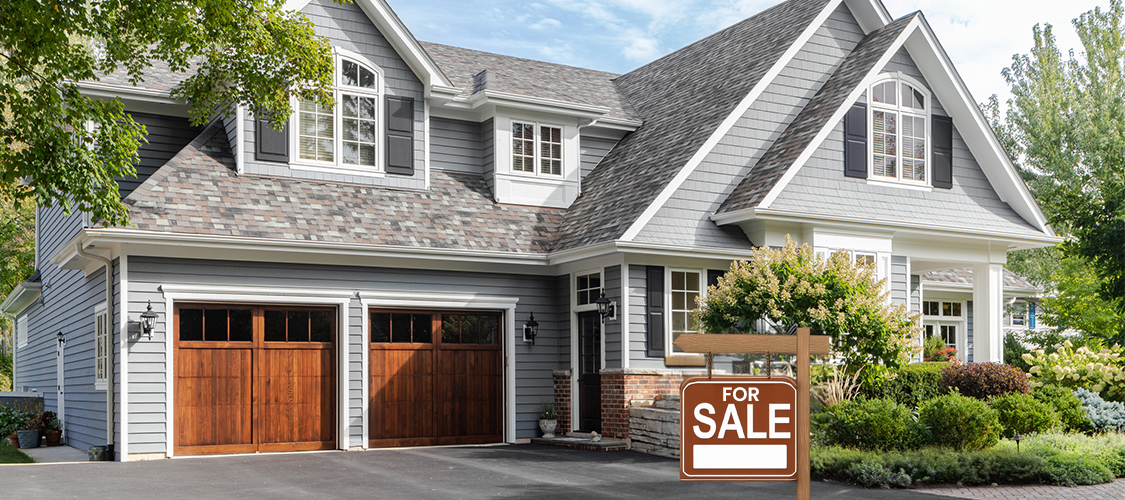
Builders are often especially motivated to sell new homes, especially if they have a lot of inventory to move. As a result, incentives can be substantial.
In addition to interest rate buydowns, some builders are offering:
- Design center credits: Some builders advertise ground-up builds where you can “design” your finishes. In some cases, you might receive credits ranging from $10,000 to $30,000+ to put toward upgrades, such as flooring, cabinets, and fixtures.
- Closing cost assistance: Like seller concessions, builders may cover closing costs.
- Lot premium waivers: In communities where you can pick your lot, certain pieces of property, like cul-de-sacs, those with scenic views, or larger lots, may cost more. Builders might discount the premium lots that are slower to sell.
Author




 Stay one step ahead