
Inclusive Lending
How Martin Luther King, Jr.’s Legacy Continues to Impact Housing: Fair Housing Protections by State
January 19, 2026
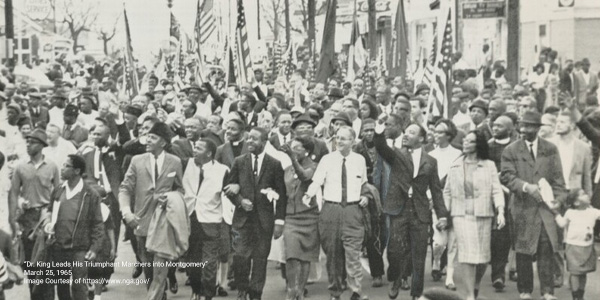
For Martin Luther King, Jr., whom the nation honors on the third Monday in January, fair and stable housing was a key tenet of the civil rights movement.
King highlighted the widespread housing discrimination of the 1960s, emphasizing that where people live impacts every aspect of their lives. His advocacy led to real change by making housing discrimination a key part of his broader activism and bringing the issue to national attention.
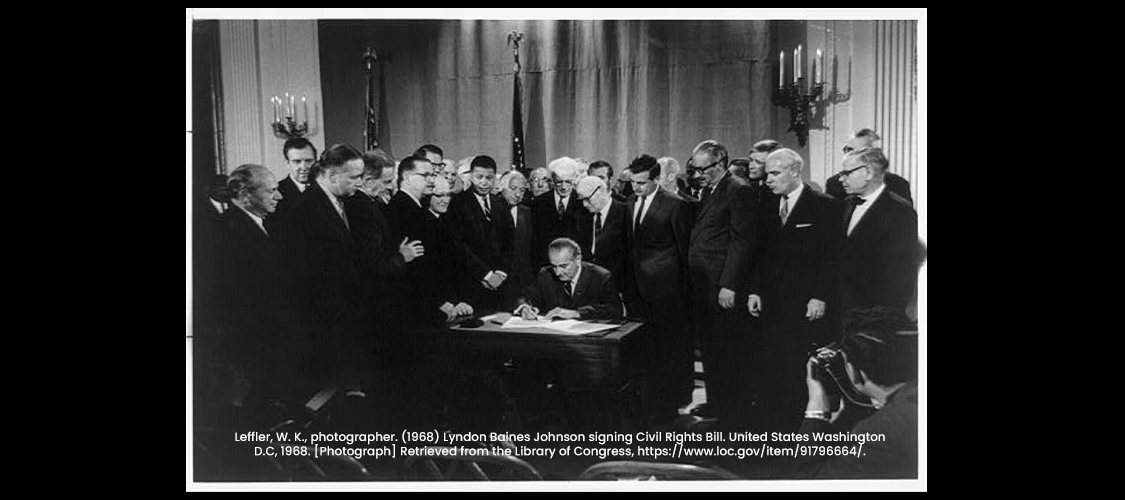
Congress passed the Fair Housing Act, a landmark law, just six days after King was assassinated on April 4, 1968. The Act made housing discrimination based on race, color, religion, and national origin. Over the years, sex, which came to include sexual orientation and gender identity, disability, and familial status were added as protected classes.
The Fair Housing Act covers most housing transactions nationwide and sets a basic level of protection. However, King’s efforts also laid the groundwork for addressing broader housing inequality.
“Dr. King’s push for fair housing helped shape the homebuying protections people rely on today,” said Mosi Gatling, senior vice president of strategic growth and a Las Vegas-based loan officer at New American Funding. “His work made it possible for buyers to be evaluated based on their financial readiness, not personal background or assumptions.”
Today, fair housing protections operate at the federal, state, and local levels. Understanding which protections apply in your area is essential for today’s housing market, especially for renters and first-time homebuyers.
Housing discrimination: What fair housing laws prohibit
Fair housing can feel abstract until you see what discrimination looks like in practice. In general, fair housing laws prohibit actions that limit, discourage, or treat people differently when it comes to accessing housing or mortgages.
According to the advocacy organization Fair Housing Justice, common examples of housing discrimination include situations where someone refuses to rent, sell, or negotiate for housing, or otherwise makes a home unavailable. Charging certain groups more for home loans when their financials are the same is also discriminatory.
Discrimination can also appear in advertising or comments that indicate a preference or restriction. This may include language that implies some people are welcome while others are not. For examples, landlords at large apartment complexes can’t refuse to rent to families, single women, or people solely based on the color of their skin.
Another red flag is being told a home is no longer available when it is still being shown or is still being offered to others.
“Steering” is also prohibited, whether that means directing applicants toward or away from certain units, buildings, or neighborhoods in ways that separate people by protected characteristics.
Less favorable treatment can take more subtle forms, too. That includes setting different terms or conditions than those offered to other renters or buyers, or denying access to services, amenities, or facilities that are otherwise provided.
If any of these situations sound familiar, fair housing laws may apply.
How fair housing protections work
The Fair Housing Act covers most housing transactions nationwide and sets a basic level of protection.
At the federal level, enforcement usually involves investigations, conciliations, and sometimes legal action. Housing experts point out that enforcement capacity can vary over time, depending on funding, staffing, and the number of complaints.
In practice, many renters and buyers find that state and local agencies offer more accessible enforcement.
Understanding which fair housing rules apply in your state or city can help renters and buyers identify options, document concerns, and request help when something feels wrong. While federal law serves as a basis, state and city protections frequently influence how fair housing works in practice.
“Fair housing laws exist to give consumers consistent treatment and confidence throughout the homebuying process,” said Gatling. “When these principles are followed, buyers can trust that decisions are being made fairly and transparently. That legacy continues to help more people move toward homeownership with clarity and protection.”
Types of housing discrimination often covered at the local level
Local protections often build on federal law, offering clearer guidance, faster response times, and additional categories of protection that reflect how people experience the rental and homebuying process today.
Below are some examples of protected classes that some cities and states have included in their fair housing protections. Note, many cities and states do not offer these or any other additional fair housing protections beyond the federal ones.
- Source of income, such as housing vouchers or public assistance
- Age, occupation, or student status
- Sexual orientation
- Gender identity or gender expression
- Marital status
- Criminal background, particularly blanket policies that do not consider individual circumstances
- Status as a survivor of domestic violence
- Military or veteran status
- Retaliation, including negative action taken after someone asserts their housing rights
- Immigration status or citizenship
How can fair housing laws protect homebuyers, homeowners, and renters?
When a housing discrimination complaint is successful, fair housing laws can provide remedies meant to stop unlawful behavior and address the harm it caused.
Courts or enforcement agencies can order a housing provider to end discriminatory practices. They can also require them to update policies or require fair housing training.
People who experience discrimination may also be eligible for financial compensation, including reimbursement for out-of-pocket costs, lost housing opportunities, and emotional distress.
In some cases, extra penalties may be applied to prevent future discrimination. Legal fees and related expenses might also be recoverable.
Fair housing laws have also been used to help people obtain housing they were wrongfully denied or remain in a home when eviction or harassment was tied to discrimination.
Examples of state and city fair housing protections

California
California’s Fair Employment and Housing Act expands protections to include sexual orientation, gender identity, source of income, marital status, and certain protections related to immigration status.
Local fair housing offices in cities like Los Angeles and San Francisco assist with complaints and mediation, enforcing these protections on a city level.
New York and New York City
New York State law added protections for sexual orientation, gender identity, lawful source of income, and military status. New York City’s Human Rights Law extends fair housing laws further, covering areas such as credit history, employment status, and caregiver status that are not covered under federal law.
Illinois and Chicago
Illinois law expands protections to include sexual orientation and source of income. Chicago’s Fair Housing Ordinance adds protections against arrest records, age, and parental status, with enforcement by city agencies.
Massachusetts
Massachusetts law covers sexual orientation, gender identity, source of income, and genetic information (this refers to a person’s DNA or family medical history). Boston’s Fair Housing Commission provides local enforcement and education, additionally supporting these protections.
Colorado
Colorado law includes protections for sexual orientation, gender identity, and source of income. Denver provides additional tenant protections and fair housing enforcement through local agencies.
Washington State and Seattle
Washington State law includes protections for sexual orientation, gender identity, and veteran status. Seattle’s local ordinances expand coverage to political ideology and renter screening practices, adding to state-level protections.
Minnesota and Minneapolis and St. Paul
Minnesota law protects sexual orientation, gender identity, and public assistance recipients. Minneapolis enforces additional protections related to tenants’ income and rental screening, providing tailored protections for the city.
Where renters and homebuyers can turn for fair housing protections

For those who believe they have experienced housing discrimination, starting at the state or city level is often the most practical step.
Common resources include:
- State human rights or civil rights commissions
- City fair housing or housing stability offices
- Local fair housing nonprofits and legal aid organizations
Many local agencies provide intake services, mediation, and education at no cost. A helpful starting point is to find your local fair housing chapter here.
A 50-state quick reference: Where fair housing protections often go further
This list provides a broad overview of expanded fair housing protections in the U.S., compiled from state laws and city ordinances.
Federal law sets a minimum standard. Many states have enacted stronger protections for sexual orientation, gender identity, and sources of income. Local ordinances in cities may address gaps not covered at the state level.
Since laws change and vary by jurisdiction, this overview is intended only as a starting point for your research.
States with expanded fair housing protections
- California
- Colorado
- Connecticut
- Delaware
- Hawaii
- Illinois
- Maine
- Maryland
- Massachusetts
- Minnesota
- Nevada
- New Jersey
- New Mexico
- New York
- Oregon
- Rhode Island
- Vermont
- Washington
States with partial or targeted fair housing expansions
These states often include additional protections that may vary by category or apply only in certain jurisdictions.
- Arizona
- Arkansas
- Florida
- Georgia
- Indiana
- Iowa
- Kansas
- Kentucky
- Louisiana
- Michigan
- Montana
- New Hampshire
- North Carolina
- Pennsylvania
- Tennessee
- Virginia
- Wisconsin
States where fair housing protections are primarily local
In these states, expanded fair housing protections are more commonly found at the city or county level than at the state level.
- Alabama
- Alaska
- Idaho
- Mississippi
- Missouri
- Nebraska
- North Dakota
- Ohio
- Oklahoma
- South Carolina
- South Dakota
- Texas
- Utah
- West Virginia
- Wyoming
Major cities in these states frequently maintain their own fair housing ordinances and enforcement offices.
Mosi Gatling NMLS# 557166
Author



 Stay one step ahead