Homeowners
Why Your Home’s Exterior Color Matters a Lot More than You Realize
February 27, 2026
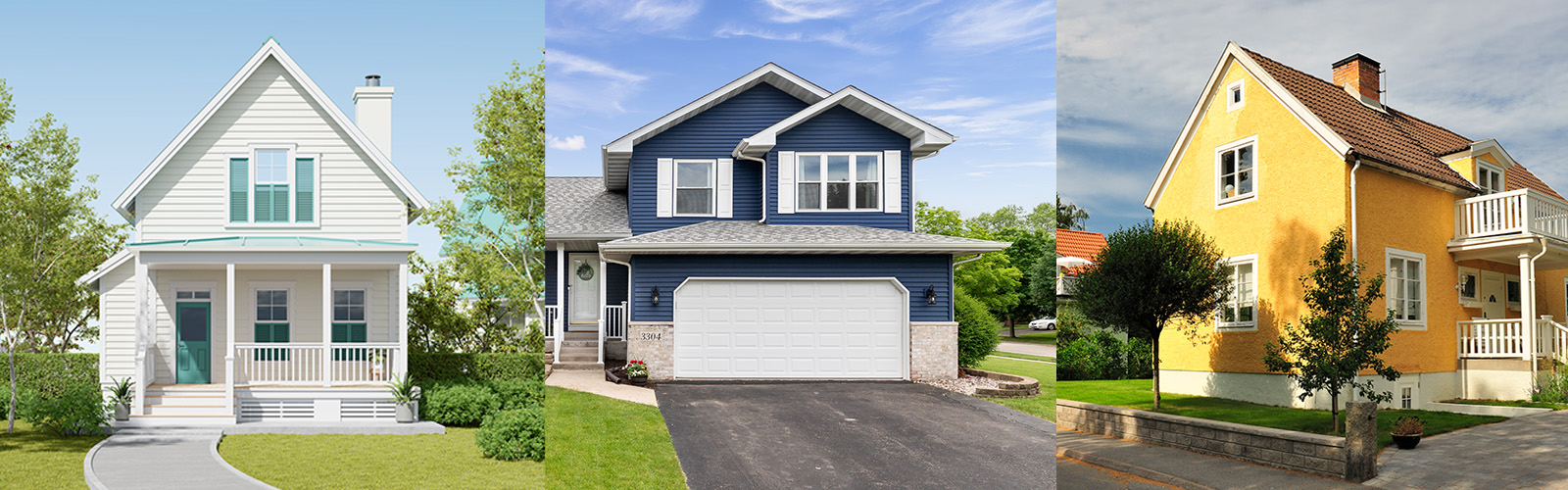
Most people have already made up their minds about your home before stepping foot inside. That’s because the color of your home has likely already made the first impression.
A crisp navy can read classic and confident. A light brown may blend into natural surroundings. A bold, bubblegum pink could spark delight for some and disgust for others.
“A thousand percent, yes, the exterior color matters,” said real estate broker Rebecca Hidalgo of Integrity All Stars Realty in Chandler, Ariz. “If someone hates your house seeing it from the curb, you are not getting them inside your home, let alone buying it.”
Roughly 40% of homebuyers said paint color strongly influences their feelings about a property and 33% said it catches their attention immediately, according to a 2026 Better Homes and Gardens Real Estate report.
Before buyers even think about the layout or natural lighting in the home, they’re often already responding emotionally to the paint colors on the outside (along with how well the home has been maintained.)
Maybe you’re preparing to sell, hoping to increase your home’s value, or wanting to refresh your exterior home color to match your personality. Whatever the reason, the color palette can communicate how the home has been cared for and how it feels inside.
What does your home’s exterior color mean?
Even if you paint the outside of your home a neutral color, that doesn’t mean reactions to it will be similarly impartial.
“The first thing I always think about is the emotional impression the home makes when someone pulls up,” said Ginger Wilcox, president of Better Homes and Gardens Real Estate. “Exterior color sets the tone.”
White and soft creams
Clean, bright whites and warm creams usually convey freshness and simplicity. These tones tend to better reflect light, photograph well, and help to make homes feel larger.
Psychologically, white can also imply clarity and order, making it a blank canvas that invites buyers to imagine themselves living there.
Gray and greige
These stone-inspired tones are typically considered modern classics because they feel sophisticated without being too bold. It usually signals refinement and stability.
Plus, the color is versatile and can be paired with a wide range of colors for doors and shutters.
Blue
From deep navy blues to soft coastal hues, blue can convey a sense of calm. Lighter shades can feel more welcome, and deeper ones tend to make a bolder statement.
People typically associate blue with stability and reliability, which could mean that the home is well cared for and maintained.
Green
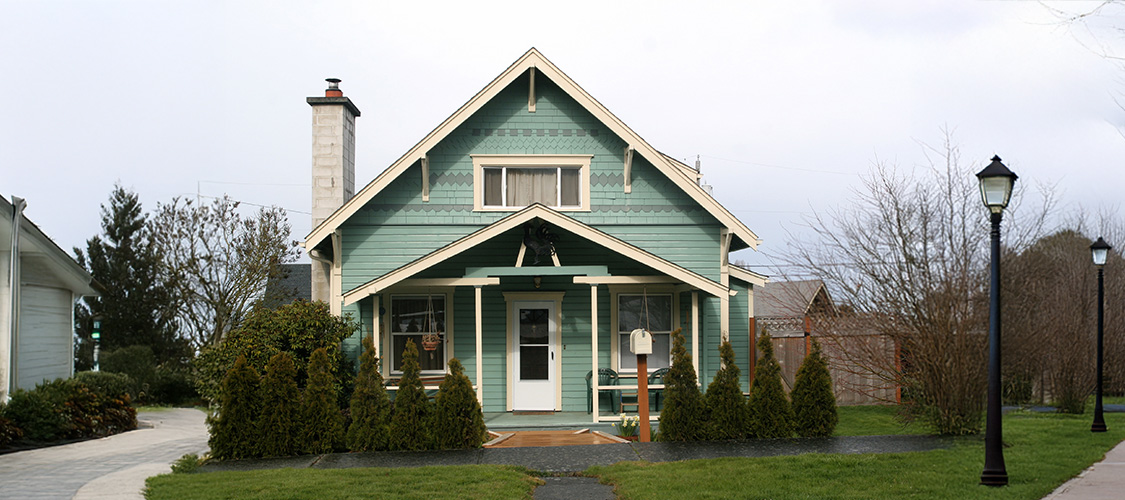
Tones like sage, olive, and more muted forest colors usually suggest a connection to nature and can make visitors feel more grounded. It can also evoke harmony, which can be a great fit for homes with a lot of landscaping or natural elements.
Exterior home colors that are earth-based tend to feel more timeless.
Black and charcoal
If you want drama and a modern feel, darker neutrals like black and charcoal will help. When using this color with contrasting trim or warmer wood elements, darker tones can help feel trendier.
However, too many dark elements could make the exterior of the home feel heavy and unwelcoming.
Bright or highly saturated colors
Vivid reds, yellows, or other bold hues can showcase your personality and creativity.
Red, for instance, tends to convey energy, power, and a sense of dominance. Having your home this color means you want people passing by to pay attention.
As a primary color, yellow represents optimism and joy. So do other bright colors like orange.
These brighter colors often make excellent accents, for doors, shutters, and trim.
How to choose the right exterior color palette
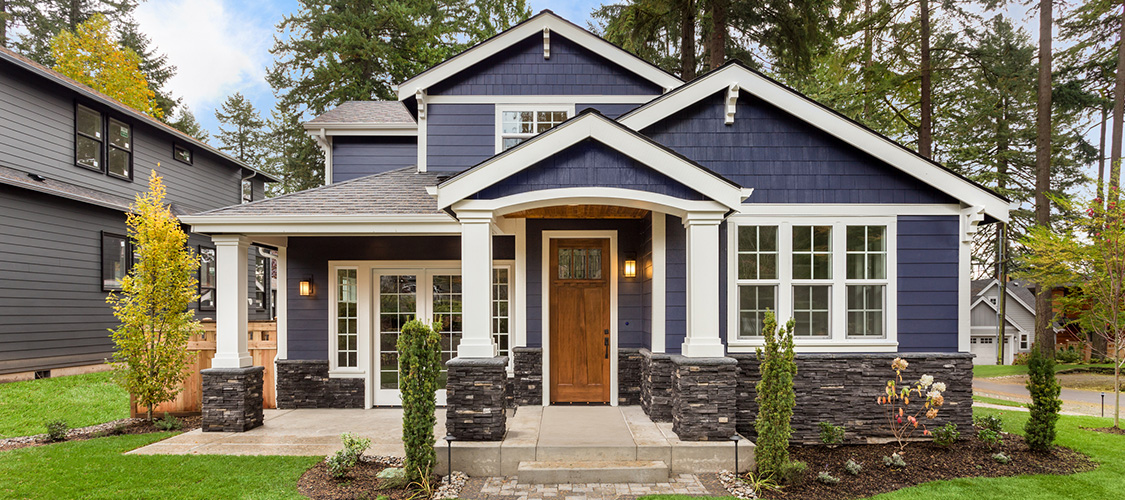
Exterior home colors can add value to your property when they feel cohesive.
“You want something light, bright, and white when listing a home,” said Hidalgo. “You want to choose a color that no one will object to.”
If you’re planning to sell, you may want to avoid more controversial colors like bright pink and purple. Choosing shades with a more universal appeal can widen your buyer pool and keep attention on the home’s features.
And don’t underestimate the power of accent colors. Crisp white trim can help to define more muted colors. A deep navy can add more depth, while natural wood accents may help tone down brighter hues.
Check local zoning and HOA rules before painting your home
If you live in a neighborhood with a homeowner’s association (HOA), you may need permission to change your home exterior color.
Many neighborhoods maintain lists of HOA-approved exterior paint colors. While that can narrow options, those palettes typically favor shades with proven appeal to keep home values high.
“You don’t want to pay to paint your home, only to have to repaint it, because you didn’t read the agreement you signed,” Hidalgo said.
Author




 Smart Moves Start Here.