
Homeowners
The Hottest 2026 Kitchen Trends: How to Get the Look for Less
March 5, 2026
Kitchens remain the most renovated room in most homes as they have become showpieces. However, homeowners’ approach to renovations is evolving as tastes change.
Instead of pursuing gorgeous kitchens meant only for resale, more homeowners are choosing options that suit everyday life. There has been a shift toward kitchens that feel calmer, more functional, and easier to live with over the long term, according to the 2026 U.S. Houzz Kitchen Trends Study.
The study tracks how homeowners are actually renovating their kitchens and not just what’s saved on Pinterest.
“Kitchen renovations are increasingly shaped by broader housing market pressures,” said Marine Sargsyan, Houzz’s head of economic research, in a statement. “With aging housing stock, a shortage of available homes, and longer homeowner tenure, more homeowners are choosing to invest in improving the functionality of the kitchens they already have rather than move.”
Many homeowners are turning to home equity loans, such as Home Equity Lines of Credit (HELOCs) and cash-out refinances to help fund the work. This allows homeowners to spread the costs out over time instead of draining their savings.
Here’s what you need to know about how to incorporate these trends wisely (and cheaply) if you’re renovating, buying, or planning to sell in the next few years.
Kitchen storage is getting smarter
If there’s one throughline in 2026 kitchens, it’s that storage solutions are way in. And kitchen storage is getting larger and smarter. Walk-in pantries are becoming more popular, along with a smaller but growing share of butler’s pantries and prep kitchens.
More than three-quarters of homeowners renovating their homes have added specialty built-in features, according to Houzz data, with pantry cabinets leading the way.
“The kitchen and bathroom are the two rooms that have the most planning impact on the future,” said Forrest Webber, founder of The Trade Table, an online home improvement store based in Huntsville, Ala. Homeowners want places to stash everything.
After spending more years at home, homeowners desire kitchens that minimize clutter and visual noise.
How to get the look for less: You don’t need to add square footage to improve storage. Tall pantry cabinets, deeper drawers, and upgraded cabinet interiors often deliver the same benefit as a walk-in pantry, without moving walls.
Wood finishes move front and center of the kitchen
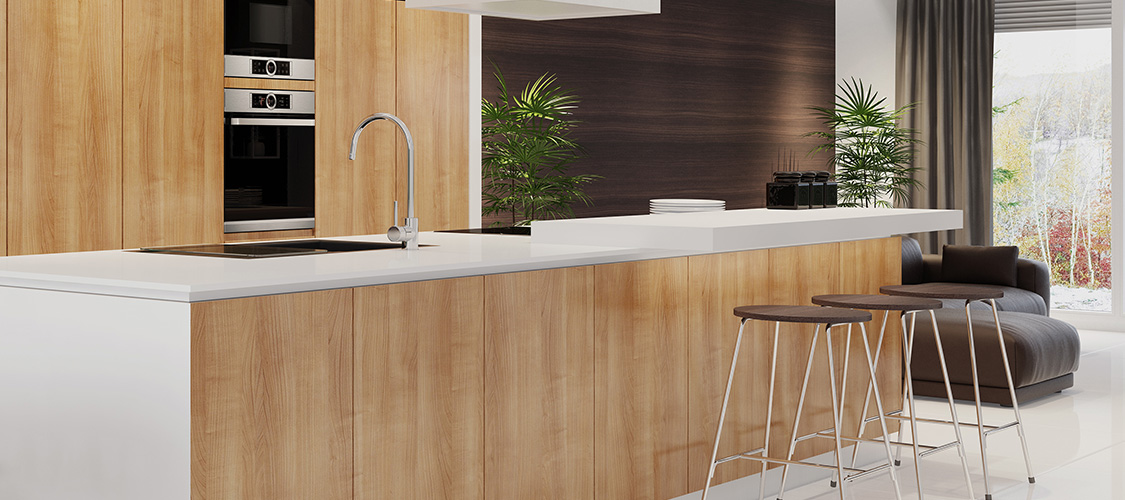
For years, white kitchens dominated renovation budgets. In 2026, wood has taken the lead.
Indeed, wood is now the most popular cabinet finish in renovated kitchens, edging out white for the first time in recent Houzz tracking. Medium wood tones lead the shift, followed by lighter finishes.
Architects and designers say the appeal is as emotional as it is visual.
“The past trends of lacquer cabinets are losing popularity; they tend to feel cold and impersonal,” said Jorge Fontan, founder of Fontan Architecture in New York, N.Y. “We have a much greater interest as architects and designers at our firm to use more natural wood, which has a warmer and more inviting feel.”
Note that this isn’t a shift back to heavy or rustic kitchens. Today’s wood cabinets are usually sleek, with flatter profiles and minimal hardware.
How to get the look for less: If replacing all your cabinets isn’t realistic, introduce wood selectively. A wood island base, pantry cabinet, or open shelving can soften a kitchen without a full renovation.
Kitchen slab backsplashes continue to rise
Tile still dominates kitchen backsplashes, but slab backsplashes are steadily gaining ground. Popular ones include those made from engineered quartz and large-format porcelain.
The appeal is simplicity. Slabs reduce grout lines, streamline cleaning, and create a calmer visual backdrop.
“Using a slab for a backsplash is the most impactful design choice you can make if you want a kitchen to have a luxury feel,” said Fontan.
How to get the look for less: A full slab backsplash can be expensive, but homeowners can mimic the effect by extending countertop material behind the range or sink. Large-format tile with minimal grout lines offers a similar look at a lower cost.
Kitchen appliances get more functional, not more obvious
Homeowners still invest in upgraded kitchen appliances. But the focus has moved from flashy finishes to features that simplify daily life.
Most homeowners are choosing refrigerators with specialty functions such as adjustable temperature zones and maintenance alerts. Ovens with added functionality, including precise temperature control and remote monitoring, are also growing in popularity. In higher-end kitchens, that often shows up in how appliances are grouped and integrated.
“People do want the top-of-the-line appliances, which are typically wall ovens,” said Fontan.
Rather than dominating the room, these appliances are designed to blend into cabinetry and support cooking routines behind the scenes.
How to get the look for less: You don’t need to upgrade every appliance at once. Start with the one you use most often. A single well-chosen upgrade can improve your overall design without overwhelming your budget.
How to decide which kitchen upgrades are right for your home

Before committing to any kitchen update, step back and ask three questions:
- Does this improve how the kitchen functions day-to-day?
- Will it still make sense if I sell in a few years?
- Can I achieve a great effect without replacing everything?
For homeowners planning a big or small renovation, tapping into home equity is a common way to fund these upgrades. Since these loans are secured by existing equity, interest rates are often lower than those for credit cards or personal loans.
However, the math still matters. Buyers and sellers should compare monthly payments, understand how borrowing impacts their budget. They should also avoid over-improving beyond what the home and neighborhood can reasonably support if you decide to sell your home in the future.
Author



 Smart Moves Start Here.