

Homeowners
More Homeowners Are Renovating for the Long-Term: What to Know Before Starting a Project
January 9, 2026
If you peek inside many homes right now, you may notice cozy spaces that aren’t influenced by trendy décor or wonky fads.
The shift in design reflects a bigger change in how long people expect to stay put in their properties. With affordability challenges still affecting the housing market, many homeowners are instead choosing to invest in their abodes rather than move.
Indeed, 62% of renovating homeowners expect to remain in their homes for 11 years or more after completing renovation projects, according to the 2026 U.S. Houzz Renovation Plans Report. About 45% say their current home is their forever home.
“Our customers are staying put because they like where their home is located and love their community,” said Jennifer Homeyer, CEO and owner of The Design House in Denton, Texas. “So, the logical thing is to renovate what they have.”
Home equity loans, such as second mortgages, cash-out refinances, and home equity lines of credit (HELOCs) may help homeowners tap into the equity they have in their properties to fund renovations. These loans often offer lower rates than personal loans or credit cards.
Here’s what to keep in mind if you are thinking about upgrading your home for the long-term.
When renovating your home, comfort now matters as much as style
Homes designed for long-term living are dialing down contrast and dialing up comfort. Materials that feel forgiving over time are replacing the bold finishes that once signaled a “newly renovated” space.
“The bright white quartz countertops with bold gray veining are out,” said Homeyer. “Many clients tell us they want something that feels more like home, warm and cozy, not cold and trendy.”
Homeowner takeaway: If you plan to renovate for a forever home, prioritize finishes that age gracefully. Think satin or matte surfaces over high-gloss, natural materials over highly engineered ones, and color palettes that feel calm.
Simpler layouts that work harder are trending
Long-term living also changes how homeowners think about a home’s flow and function. Today’s owners are paying more attention to how spaces are used day to day.
“The upgrade is two-fold…to update the finishes to look and feel new…[and] to make the space more functional,” said Homeyer said.
Homeowner takeaway: Before installing an addition or expanding your square footage, audit how you use your various spaces. Defined zones, better storage, and minor layout corrections often deliver more day-to-day value than adding more space.
Choose bathrooms built for long-term use
Rather than chasing showroom trends, homeowners are focusing on bathrooms that feel practical, durable, and easy to use.
“I am seeing many homeowners preparing for the future by adding aging-in-place features such as wider doorways, zero-entry showers, comfort height toilets, and grab bars,” said Homeyer.
This can make it easier for homeowners to stay in their properties as they get older and their mobility changes.
Homeowner takeaway: Prioritize ease of cleaning, accessibility, and repairability. The best upgrades are the ones you stop thinking about after installation.
Outdoor spaces as becoming part of the home
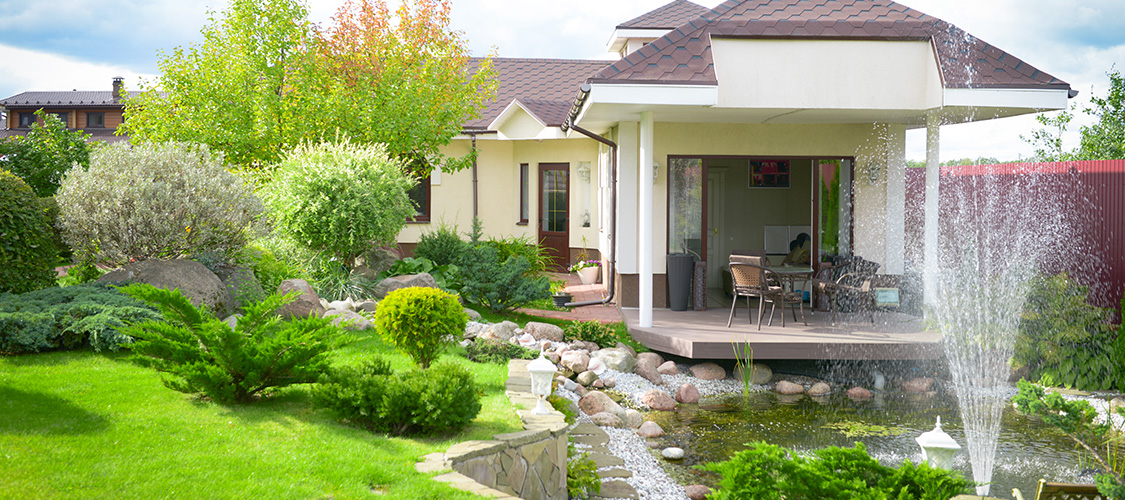
For homeowners who need more room, yards and patios are turning into extensions of daily living. This can add more space for homeowners in a natural setting.
Homeowner takeaway: Treat outdoor space as usable square footage. Design for dining and relaxing, add lighting, and choose materials that hold up across seasons.
Renovate your home with resilience in mind
Staying put also means preparing for the realities of weather problems and long-term maintenance.
“We’re seeing a lot of people focus on upgrades that make their homes more energy efficient, like better insulation,” said Andre Kazimierski, co-owner and president of HomeHero Roofing in Brookfield, Ill. They’re also looking at “upgrades that make them more durable against weather threats in their area, like metal roofs.”
Homeowner takeaway: The good news is resilience upgrades often deliver significant returns. Lower energy bills, fewer repairs, and better performance during extreme weather matter more when you plan to stay.
Planning matters more than ever when planning home upgrades
When homeowners renovate for the long term, missteps become more costly. So precise planning and realistic execution are essential.
“A beautiful design is just a concept until an experienced general contractor can reconcile the vision with the realities of the existing structure and its limitations,” said Homeyer. “The final product is only as functional as it is beautiful when those two items are equally linked.”
Homeowner takeaway: Spend time upfront clarifying priorities and constraints. Long-term renovations reward restraint and planning more than impulse.
Author




 Smart Moves Start Here.