Homeowners
How to Renovate Your Home with Your Future in Mind
January 22, 2026
Homeowners tend to renovate with their current situation in mind. Maybe a child needs a new bedroom color or those oak-paneled 1990s kitchen cabinets simply must go. But the smartest remodels look further down the road. When homeowners fold in the next stages of life, like growing kids, aging parents, and a possible resale, they end up with homes that function better and hold value longer.
“I’ve learned that the best renovations are the ones that grow with you,” said Miko Pasanen, founder and a general contractor of Miko LLC in Phoenix, Ariz.
Designers and contractors say that approaching renovations with universal design principles in mind helps a home stay flexible and market-ready long after the work is done. Here is how to plan your upgrades with longevity in mind.
Create rooms that evolve
Most homeowners think about their current layout, but the savvier move is to think about who might be living in the home five or 10 years from now.
“The biggest thing I tell people is to renovate so the house can change with you,” said Roberto Alonzo, who runs Housecall Maintenance in Southern California. “Homeowners often find themselves wishing they had planned earlier for adaptable space.”
That flexibility often begins on the main floor. A home office, playroom, or den with a closet and simple, unbuilt walls can easily become a bedroom if mobility issues arise or family needs shift.
“And if you’re already opening walls or reworking a floor plan, it’s smart to widen doorways and hallways for future accessibility issues,” said Pasanen. “These upgrades don’t change how the house feels now, but they can make a world of difference down the line.”
Spaces also benefit from adaptable features like sliding barn doors or pocket doors let families carve out quiet zones for studying or remote work. This becomes especially useful as routines shift or adult children return home.
Make kitchens, baths, and electrical systems future-ready
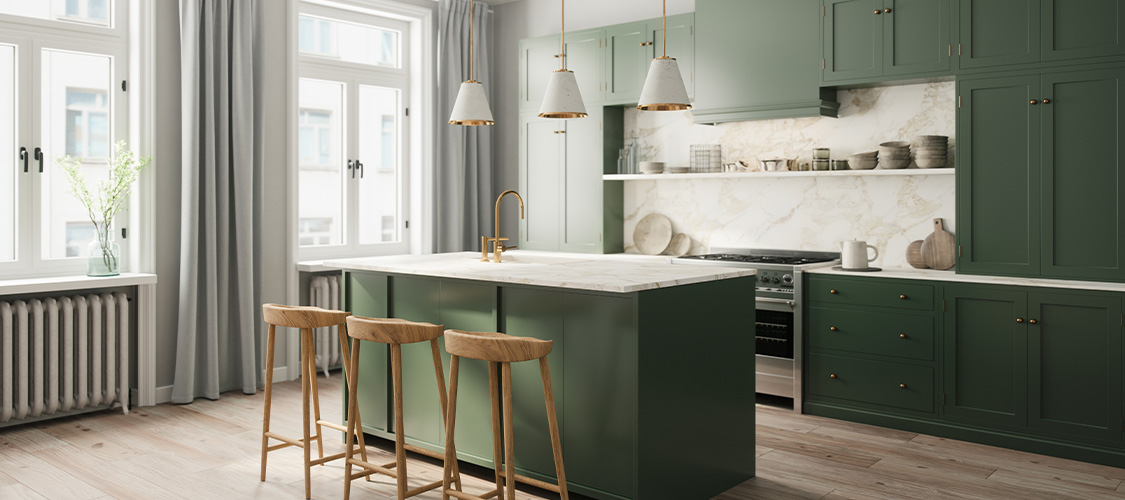
Kitchens and bathrooms bear the brunt of daily life, which makes them prime candidates for thoughtful upgrades.
“Choose durable, low-maintenance finishes, leave enough space for easier movement, and quietly add future-proof details like wall blocking for grab bars and slip-resistant flooring,” said Pasanen.
Quartz counters, porcelain tile, lever-style handles, and full-extension drawers are all small choices that make a big difference over time.
Plumbing layout matters, too. Turning a powder room into a full or three-quarter bath on the ground floor can support aging parents, guests who cannot navigate stairs, or anyone recovering from injury. Curbless or low-threshold showers allow people of all abilities to move safely.
Behind the walls, electrical systems deserve just as much attention. Many older homes simply were not built for technology-heavy households. Adding outlets, running conduit for future office setups, and making sure the panel can handle today’s appliances and an EV charger down the line keeps the home from feeling dated before the paint even dries.
Install lighting that adapts to every life stage
Lighting upgrades are among the easiest ways to future-proof a home, yet they’re often overlooked.
“Most people only consider the aesthetics of the fixtures and do not consider the functionality that life stages require in the future,” said Mike Bowman, the technical product manager of Patio Productions in Denver, Colo. “Installing advanced dimmers and multi-zone lighting controls are relatively easy upgrades that offer a tremendous amount of future flexibility.”
Bowman notes that when we age, we need significantly more illumination for daily tasks. Adjustable lighting lets homeowners shift between bright task lighting and softer evening settings instantly. These improvements can really make a difference in kitchens and main living areas.
“One client of ours who upgraded their main living room lighting controls said the flexibility was a big consideration for the buyers who purchased their home within 10 days of being put on the market, since lighting adaptability provided immediate, unseen utility,” Bowman said.
Don’t forget outdoor areas
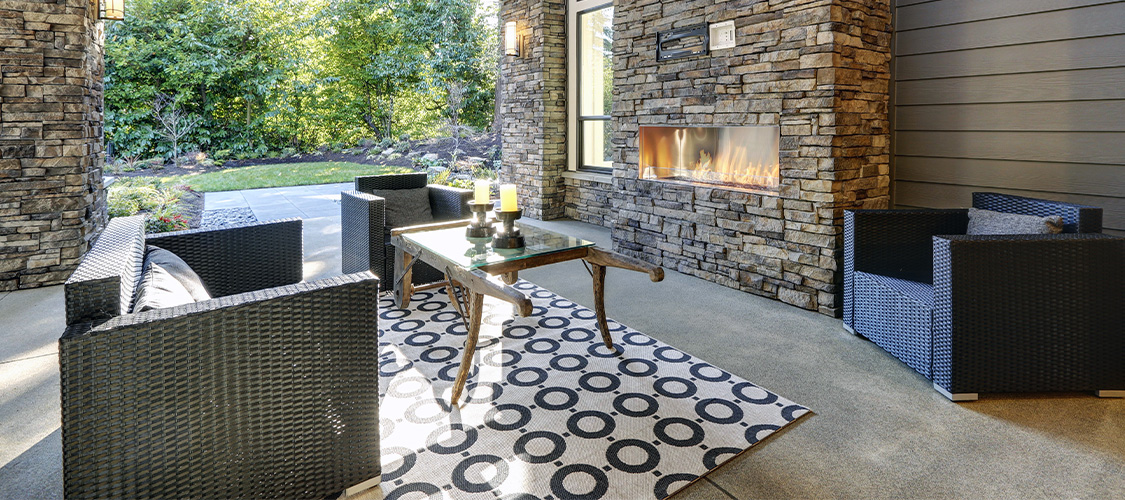
Exterior upgrades often set the tone for long-term livability.
“Think about simple features that make aging in place easier later like level entries, sturdy materials, and low-maintenance landscaping,” said Pasanen.
Smoother walkways, smart outdoor lighting, and slip-resistant surfaces can all also help a home stay easy to navigate and maintain. These changes also appeal to buyers in older neighborhoods who appreciate an updated infrastructure.
Consider adding an ADU
Accessory dwelling units, or ADUs, remain one of the most versatile additions homeowners can make. A garage conversion, backyard cottage, or detached studio might begin as a guest suite or home office but can later house parents as they age, returning adult children, or even a caregiver.
Because ADUs offer their own entrances and independent living areas, they make multigenerational living easier than reconfiguring the main home. They also carry rental potential where local regulations permit it.
“ADUs create much-needed space while still preserving privacy, making them an increasingly popular choice for multigenerational living,” said Sean Roberts, CEO of the San Francisco-based company Villa Homes.
Homeowners considering an ADU should research zoning rules, utility needs, and lot capacity early. Even if it’s a long-term plan, knowing where the unit will go allows you to run conduit and plan access during larger renovations rather than retrofitting later.
How to pay for renovations
Future-focused renovations also need a long-term financial strategy. Some homeowners rely on savings for more modest upgrades, while others turn to financing that fits the size and timing of their projects.
A Home Equity Line of Credit (HELOC) can help support phased home renovations, allowing homeowners to draw funds only as needed. Cash-out refinancing can be a good option for owners rolling renovation funds into a mortgage, particularly if the homeowner is refinancing anyway.
Checking local or state programs that offer incentives for accessibility features, insulation, or energy-efficient systems can also help stretch a renovation budget.
Author




 Smart Moves Start Here.