
Homebuyers
Why Making a Back-Up Offer on a Home Can Be a Homebuyer’s Power Move
November 17, 2025
For homebuyers scrolling through listing photos, there is one very frustrating phrase they often come across: “Under contract.” You find a great home at the right price, only to see that someone else got there first.
But that doesn’t have to mean the door is truly closed.
Enter the back-up offer in homebuying. Back-up offers can be a strategic move that smart buyers use to stay in the game even after a home’s gone into pending status before the sale becomes official.
Deals collapse more often than buyers realize. Sometimes they fall apart in days, sometimes in days, sometimes right before closing. When that happens, the next offer in line may move straight to the top.
For anyone serious about landing a home that’s already under contract, this is what buyers need to know about how (and why) a back-up offer can work in their favor.
Homes under contract often go back onto the market
Homes often fall out of contract. Buyers may have second thoughts and back out of deals. They may not be able to secure a mortgage or meet the contingencies required before closing. Or there may be something wrong with the home.
“I’ve had deals fall apart at the last minute due to buyers having issues with financing or cold feet,” said investor Mike Otranto of Wake County Home Buyers in Raleigh, N.C. He has watched listings bounce back on the market through no fault of the sellers.
In one case, a buyer walked away, leaving behind $5,000 in earnest money simply because he hadn’t consulted his spouse before making an offer.
If the buyer can’t get their loan approved or walks after discovering structural issues, an offer can quickly fall apart.
“When that happens, the seller often wants to move quickly to the next buyer to avoid further holding costs and time on market,” said Otranto.
With a back-up offer, the seller doesn’t have to re-list or restart the marketing cycle. The back-up buyer simply steps in and moves forward.
How a back-up offer on a home works
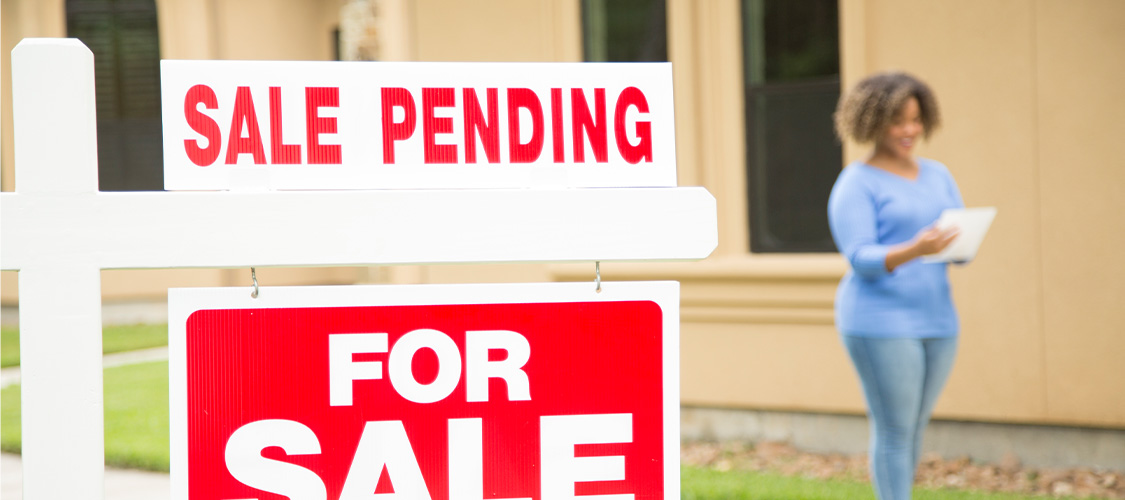
A back-up offer is a real, legally binding contract that sits behind the primary offer in line. The seller signs it, agreeing that if the first deal fails, the back-up becomes the new primary contract.
The buyer typically includes an earnest money deposit and negotiates contingencies just as they would in any standard offer. The difference is timing: the contract only becomes active if the previously accepted offer is voided.
“Making a back-up offer is smart for both buyers and sellers, creating a win-win situation,” said Realtor Tim Trainum, owner of Tim Trainum Properties in Fairfax, Va.
On the buyer’s side, the advantage is simple: you already have a ratified agreement ready to go if the first buyer’s deal implodes.
Why home sellers should consider back-up offers
From the home seller’s perspective, the benefits of a back-up offer are big. It can serve as leverage in ongoing negotiations with the primary buyer. If that buyer demands repairs or tries to renegotiate after a low appraisal, the seller can stand firm knowing another offer is waiting.
A back-up offer can also provide peace of mind.
If the first deal falls apart, they don’t have to worry about having to go back on to the market. This spares the seller from accumulating extra days on market, which can erode perceived value.
What homebuyers need to know before making a back-up offer

A back-up offer on a home costs little to make but can get a ton of attention once the first deal fizzles. If you decide to move on and buy another property, you must formally withdraw your back-up offer to avoid being locked into a second deal if the first one suddenly activates.
Buyers may want to consider the psychology behind their backup offer. Sellers prefer knowing there’s a Plan B, but they’re not required to share much about the primary deal's status.
Communication generally goes through the agents, so be sure to check in regularly.
“By making a back-up offer, the competition in bidding is removed,” said Olivier Wagner, tax expert and CEO of 1040 Abroad based in New York. “This allows buyers to get the property at the best price, with the least stress of going through bidding wars.”
Author




 Smart Moves Start Here.