Homebuyers
Timeless or Troublesome? What You Need to Know Before Buying a Historic Home
November 14, 2025
There’s a reason that buyers often fall head over heels for historic homes.
Often found in some of the most desirable neighborhoods, historic homes stand out for their century-old craftsmanship, character, and timeless beauty. But owning one can quickly turn from a love story to a troubled relationship filled with rules, red tape, and extra costs.
Buying a historically landmarked, preserved, or protected home isn’t like purchasing a typical property. You’re not just an owner, you’re a guardian of history. Any exterior changes, from replacing the roof to repainting trim, may require official approval and specialized materials that drive up costs and test your patience.
But there is a trade-off: Historic charm, community prestige, and potential tax perks for those willing to maintain their home’s character.
“The siren song of a historic home is an affair that begins with starry-eyed infatuation over irreplaceable craftsmanship, a coveted prime location, and a character that oozes authenticity,” said George Smart, founder and CEO of USModernist, a nonprofit dedicated to preserving residential architectural design. “However, a buyer soon becomes less an owner and more a steward, chained to a very specific set of aesthetic demands.”
Before signing on the dotted line, it’s worth weighing the romance against the reality. A historic home can offer beauty and pride of ownership, but it also demands time, money, and a readiness to follow strict rules that don’t leave a lot of room for flexibility.
The charm and challenge of historic homes
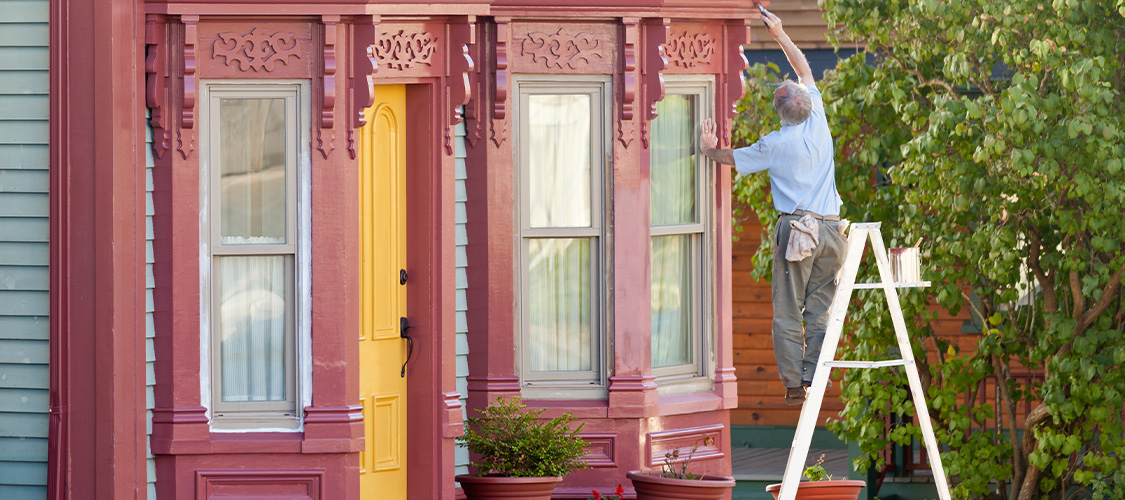
Historic homes draw buyers in with their character and one-of-a-kind details. From hand-carved woodwork to stained-glass windows, these properties offer something newer homes just don’t have. Many also sit in some of the most desirable neighborhoods, especially in older cities across the Northeast.
But while their beauty is undeniable, owning one isn’t always simple. Strict preservation rules often dictate what changes can be made, and even minor updates may require official approval.
“With historic homes, you are generally required to maintain the property’s architectural style and most of its design elements,” said Adam Hamilton, a real estate investor and CEO of REI Hub, a bookkeeping software for landlords. “You can’t exactly renovate them however you want. Instead, you have to preserve what makes them distinct.”
For buyers, that means balancing the romance of old-world charm with the reality of oversight and upkeep.
What is a historically landmarked/preserved/protected home?
Not every historic-looking home is officially protected. Historic designations can come from local, state, or national agencies, and each carries its own rules and restrictions.
Local landmark status is usually the most restrictive. Local preservation commissions often have to approve any visible changes to the exterior, sometimes even paint colors, roofing materials, or new windows. In some cities, major interior alterations may also fall under local review if they affect the home’s historic integrity.
State-level listings typically recognize a property’s historic value and may offer financial incentives such as grants or tax credits. Oversight usually varies by state. Some require reviews by the State Historic Preservation Office for major changes. For example, in California, any project that could affect a state-registered historic resource must go through an environmental review under the California Environmental Quality Act (CEQA).
National designation, like being listed on the National Register of Historic Places, is mostly honorary. It recognizes a property’s cultural or architectural importance and can make it eligible for federal tax incentives. National designations don’t usually restrict what private owners can do unless there are federal funds or permits involved.
Before buying, it’s important to understand which designation applies. The rules can impact everything from renovation costs to how quickly you can complete repairs.
The costs beyond the mortgage
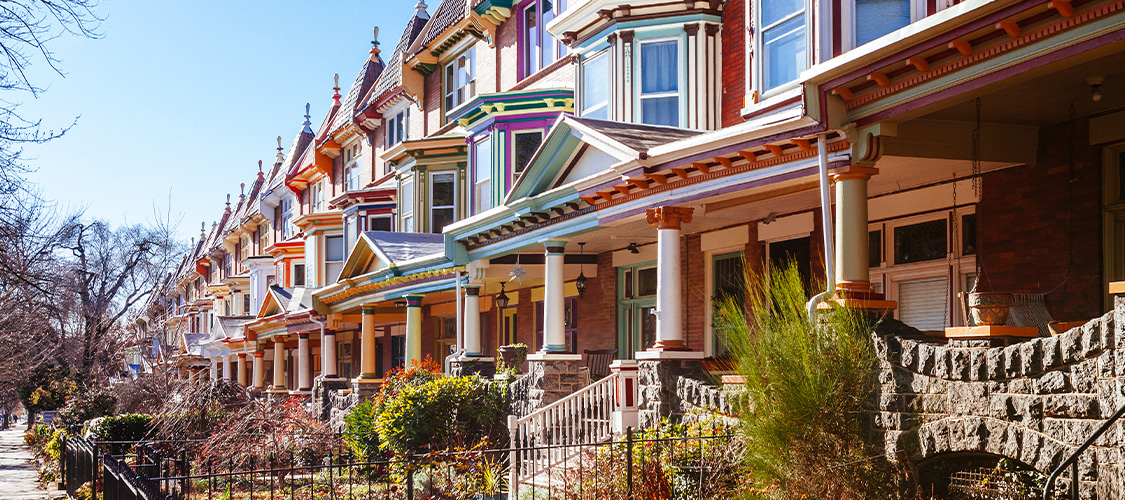
Owning a historic home can mean paying more than you would for a newer one. Repairs can be expensive because they typically require specialized contractors and materials that match the home’s original design. Even a small fix, like replacing a window or roof shingle, can require special approval and historically accurate materials.
“Any change, even a new doorknob, can trigger a bureaucratic nightmare of special approvals and a frantic search for ‘unobtanium’—restoration-grade materials,” said Smart. “The costs of specialized, museum-quality contractors, insurance premiums designed to punish innovation, and permitting delays are the price you pay for undeniable prestige.”
Insurance and permitting costs can also add up, so homeowners should plan to budget extra time and money for any maintenance or restoration project.
The Pros: Tax breaks and long-term value
Despite the hurdles, owning a historic property can come with financial and emotional rewards. Many states and cities offer grants, tax credits, or reduced property taxes to encourage preservation. These incentives can help offset the high cost of upkeep while preserving a home’s character and community value.
“You might be able to get some tax breaks on the money you spend on renovations that preserve the property,” said Hamilton. “In many states, you can get a tax credit for this even if you don’t generate income with the property.”
For example, the state of New York offers an income tax credit of 20% of qualified rehabilitation expenses (QREs) for owner-occupied historic homes. The home must be listed on the State or National Register of Historic Places and must also be located in a qualifying area.
For buyers willing to take on the responsibility, a historic home can offer not just charm and pride of ownership, but also financial incentives.
And over time, well-kept historic homes often hold their value, or even appreciate, because of their unique character and strong appeal in sought-after neighborhoods.
What to ask before you buy
Before falling in love with a historic home, do your homework. Contact your local preservation office to learn what restrictions apply and review any existing renovation or design guidelines. It’s also wise to hire an inspector who understands older properties, since they usually come with aging plumbing, electrical systems, or foundations.
“You’re not just buying a house; you’re adopting a demanding, beautiful, and expensive elderly relative,” said Smart.
If you’re prepared for the time, cost, and care that come with ownership, a historic home can be more than a place to live, it can be your own piece of living history.
Author




 Smart Moves Start Here.