

Homebuyers
Should You Time Buying a Home Around the Seasons? It Could Save You Up-Front Cash
December 4, 2025
Buyers love a real estate win, whether it’s snagging a price cut or catching a mortgage rate dip. Yet one moment almost never gets the same level of strategy: The time of year you close on a home.
Closing costs do not swing like mortgage rates. But they do shift with the calendar in ways that can affect your bottom line. Typically totaling 2% to 6% of a home’s price, these costs include lender fees, title charges, and prepaid taxes and insurance.
Savvy homebuyers may be able to save some cash initially if they close toward the end of the month in the last months of the year.
Just keep in mind that timing mostly changes when you pay these costs, not whether you pay them at all. So, the benefit is easing how much cash you plunk down all at once, not eliminating fees.
Here’s how you can use the calendar to your advantage and close at a time when costs may be lower, timelines are generally faster, and sellers may be more willing to make a deal.
Taxes and insurance impact closing costs on a home
Your closing date determines how much you prepay in property taxes and homeowners insurance when you purchase a home. Those upfront amounts change depending on local tax cycles and seasonal insurance pricing.
If you close just before a tax cycle, you may owe several months of tax payments upfront. And if you close just after, those escrow costs may shrink.
Insurance can follow similar patterns, especially in hurricane or wildfire regions where premiums and underwriting rules shift seasonally.
That’s why buyers may want to consider closing toward the end of the year.
“Buyers often underestimate how much these prepaid costs can vary,” said Ben Mizes, founder and CEO of Clever Real Estate in St. Louis, Mo “[The amount of] cash [needed] to close often soars in late spring and early summer.”
For example, buyers closing in June may need to fund roughly six months of property taxes and insurance upfront. However, someone closing in December might only owe one or two months, depending on the local tax calendar. In some markets, that can mean thousands of dollars’ difference in upfront cash.
Mizes saw this firsthand with a buyer closing in early July. This added nearly $2,000 in extra upfront costs to the buyer’s bill compared with a similar deal that closed in February.
Closing on a home later in the month may result in lower closing costs
Seasonality gets attention, but the day of the month you close matters as well if you’re trying to save on closing costs when buying a home. Since mortgage interest is prepaid through month-end, closing later in the month generally means you owe less prepaid interest.
For example, on a $300,000 mortgage at 6.5%, closing on the 5th could cost roughly $430 more in prepaid interest than closing toward the 30th.
However, there is a trade-off. Closing early in the month gives you more time before your first mortgage payment is due, which can help cash flow for some buyers.
Buying a home at the end of the year may result in deals

Spring and summer are typically the busiest months in real estate. Lenders, home inspectors, and appraisers are booked and buyers have less negotiating power to ask for credits or fee reductions.
By late fall and winter, workloads ease, service times improve, and sellers often show more flexibility.
Austin, Texas-based agent Cynthia Mattiza said builders in particular feel the calendar. One of her buyers recently secured a better price and an extra $5,000 toward closing costs by agreeing to close before December 31.
“Builders want [housing] inventory off their books ahead of year-end,” she said. “When your timeline allows it, timing can be strategically lucrative.”
How much could buyers save by timing a home closing?
The combined effect of lower prepaid costs and better negotiating conditions can be tangible. Each small advantage, such as cheaper insurance, a waived fee here or there, or a faster appraisal, adds up to real money saved at the table.
For example, on a $500,000 home, closing in a slower season might trim $500 to $2,500 off your cash to close.
So, if you have flexibility, “a fourth-quarter close can be a smart move thanks to leaner prepaid expenses, faster appraisals, and more motivated sellers,” said Mizes.
Where timing your home closing matters most
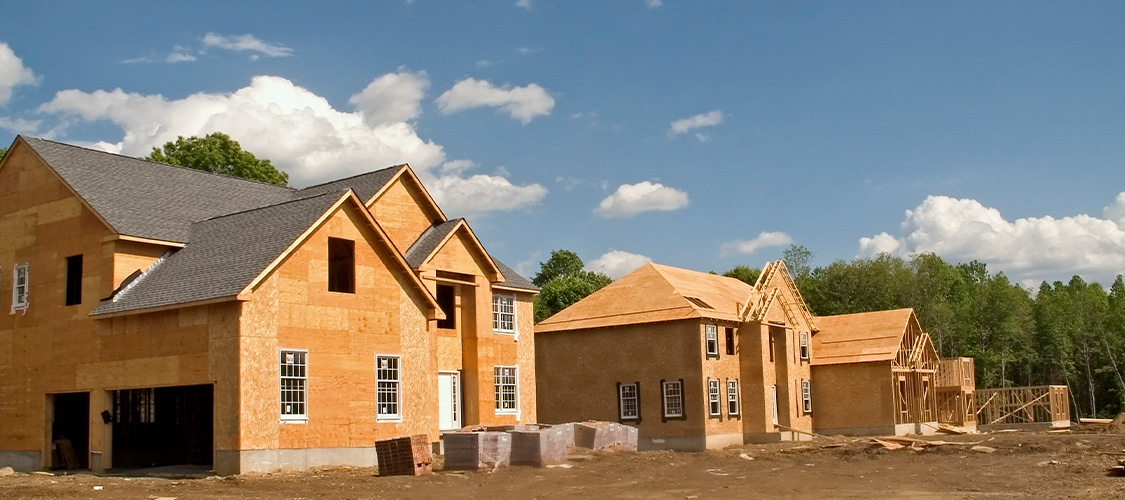
Not every housing market rewards precise timing equally. But if you are buying in an area with volatile tax cycles, extreme weather risk, or lots of new construction presence, the calendar may play an outsized role.
These regions often have higher insurance renewals in summer, strict municipal tax deadlines, or builder incentives tied to quarterly quotas. All of this makes seasonal awareness more important.
Seasonal strategies tend to pay off most in markets with:
- High property-tax requirements or changing tax calendars
- Hurricane or wildfire exposure that drives seasonal insurance pricing
- A strong builder presence and year-end sales goals
- Winter conditions that slow inspections and appraisals
Even so, timing has to fit your personal logistics, whether you are selling first, finishing a lease, or coordinating a move. The goal is to recognize when the timing works in your favor and plan accordingly.
So, treat timing as another layer of strategy in the homebuying process. You often do not need to engineer a closing date down to the day. But understanding which parts of the year favor your finances can help keep cash initially in your wallet.
Author




 Smart Moves Start Here.