
Homebuyers
Short Sales: Should You Give These Bargain Homes a Second Look?
November 20, 2025
With stubborn inflation, tariff uncertainty, and instability in the economy, many people today are looking for ways to save a few bucks. This includes homebuyers searching for a deal on a property.
One way to get a lower-priced home is through what’s known as a short sale. This occurs when a home is sold at a price that’s lower than what the homeowner owes on the mortgage.
“Short sales usually occur when homeowners become delinquent on their mortgage and can no longer afford to keep making payments,” said Daren Blomquist, vice president, market economics at Auction.com. “This typically results in a highly motivated seller and a lower selling price.”
Blomquist said short sales, which are popular with investors, are starting to pick up relative to the past decade or so.
The volume of short sales rose by 16% last year and by 17% through July of this year, according to data from Intercontinental Exchange (ICE). This was after dropping by 23% and 45% in 2023 and 2022, respectively.
“We’re definitely seeing more short sales as home price appreciation slows down and some homeowners experience financial difficulties,” said Blomquist.
How do short sales work in real estate?
A home may be eligible for a short sale when a homeowner can no longer afford to make mortgage payments and doesn’t have enough equity in the home to pay off the mortgage balance.
Instead of going through foreclosure, the homeowner can submit an application to the lender seeking approval for a short sale.
Lenders will consider two main factors when reviewing the application, starting with the value of the home relative to the mortgage balance.
The lender will also review sales of comparable properties to set a market price that’s lower than the outstanding mortgage balance.
In addition, the borrower must demonstrate that they are experiencing financial hardship by submitting documents proving they don’t have the income or assets needed to repay the mortgage.
Once the lender approves the short sale, the homeowner is responsible for listing and selling the property. These properties are generally listed as short sales on real estate listings portals.
It’s important to note the lender will handle negotiations with potential buyers and decide whether to accept or reject offers. That’s because the lender may be losing money on the sale.
Is buying a home in a short sale a smart money-saving strategy?
There are pros and cons to short sales that you should consider before purchasing one.
The biggest benefit is a potentially lower sale price. While the home’s price will be based on market value, the lender may be more willing to negotiate to sell the home faster and cut its losses.
But there are some potential drawbacks to keep in mind with short sales.
“Homes sold via short sale are sometimes in worse condition than comparable homes listed for sale,” said Blomquist. Homeowners may not have been able to afford repairs and maintenance. “So, you may have to invest some ‘sweat equity’ to get the home ready for move-in.”
There may also be more risk involved in buying a home via short sale. These homes are usually sold “as is” without a standard seller’s disclosure describing the home’s condition and any potential problems.
The short sale process also tends to be more complex, takes longer, and requires more paperwork than traditional sales since the seller’s lender is involved. It’s the lender that must ultimately approve the sale price.
Buyers should make sure that the lender has approved the agreed-upon price before moving forward.
“There’s always the risk with a short sale that miscommunication or other snags can crop up during closing that derail the sale,” said Blomquist. “So, it’s important for the buyer, seller and both lenders to communicate clearly and frequently throughout the closing process.”
Tips for homebuyers purchasing a short sale
Before buying a short sale, there are a few things homebuyers can do to help make the process go more smoothly and ensure you’re purchasing the right property.
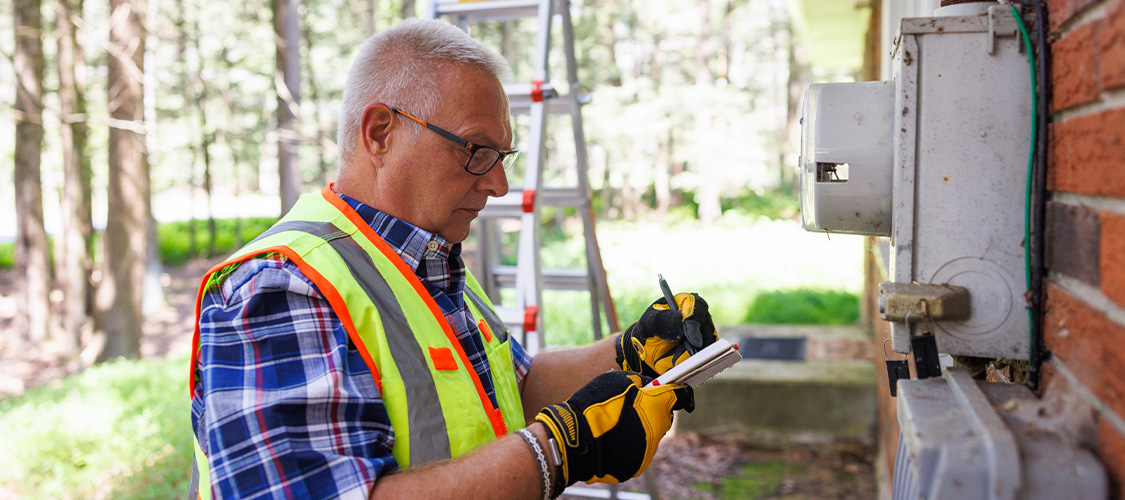
- Get an inspection and obtain repair estimates. Just because a home is sold “as is” doesn’t mean you shouldn’t perform due diligence to find out about potential problems. With a home inspection and repair estimates in hand, you’ll be in a stronger negotiating position with the lender.
This will also help you estimate how much it might cost to make repairs and renovations.
- Submit a realistic offer. Sellers tend to give a low priority to low-ball offers with multiple contingencies, even on short sales.
- Make a large down payment. The more cash you can offer on a short sale, the more attractive your offer will be to the lender. Keep in mind that you’ll need to be pre-approved for a mortgage before making an offer.
- Pay the seller’s closing costs. This will also make your offer more appealing to lenders who are trying to recover as much money as possible from the sale.
Short sales may present an opportunity to get a great deal on a home, but buyer beware. Make sure you’re fully aware of the potential drawbacks before buying one of these homes.
Author




 Smart Moves Start Here.