

Homebuyers
Multifamily Housing Loans: The Smart Way to Buy a Home That Pays You Back
August 3, 2026
Whether you’re ready to be a landlord, are a young professional who wants to upgrade your home in a few years, or live with grown children or aging parents, multifamily properties may be worth exploring.
Put simply, a multifamily home is a single building or lot that contains two or more individual living units. It usually involves a duplex, triplex, or fourplex structure, with its own entrance, kitchen, and living room.
The appeal of these properties is simple. Buyers often live in one of the units, and the others are used to house family or rented out to tenants. Rentals can help buyers afford their mortgages and bring in some monthly cash flow.
“It’s a place to live, and a place that generates income,” said Matt Brown, real estate agent at Matt Brown Real Estate in Naples, Fla.
Mortgages to consider for multifamily homes
If you’re considering purchasing multifamily real estate, the ideal mortgage depends on the funds you have available and whether you’ll be living on the property.
Below are several of the most common home loans for multifamily housing.
FHA loans
Federal Housing Administration (FHA) loans are often used to buy multi-unit homes, because buyers with credit scores of at least 580 may be able to put down as little as 3.5% of the purchase price.
The low down payment on FHA multifamily loans may be appealing. However, the downside is you’ll be required to live in a unit, typically for at least one year and pay mortgage insurance premiums.
Additionally, triplexes and fourplexes must meet a self-sufficiency test, meaning the rent you charge must cover the entire mortgage.
VA loans
U.S. Department of Veterans Affairs (VA) loans offer eligible members of the military, veterans, and, in some cases, surviving spouses the opportunity to buy a home without needing a down payment.
Additional perks include generally lower mortgage interest rates and no mortgage insurance for putting down less than 20%.
“VA loans are a good fit for veterans and servicemembers who can purchase an owner-occupied property of up to four units,” said Brown.
However, buyers must live in one of the units.
Conventional loans
Conventional loans may make sense for owner-occupied and investment properties. These loans offer down payments as low as 3%. However, to lock in a lower interest rate, you’ll likely need a higher credit score and have less debt.
Plus, you’ll owe private mortgage insurance (PMI) until you reach 20% equity in the home.
DSCR or Investment loans
Debt Service Coverage Ratio loans, or DSCR loans for short, are often good fits for investors who want to purchase a multifamily home and not live in it.
“You’ll quality based on cash flow instead of the personal income, so these loans are a solid choice if you’re a [real estate] portfolio builder,” explained Brown.
The main drawbacks are higher interest rates and higher down payment requirements of at least 20% to 25% of the total cost of the home.
The benefits to owning a multifamily property
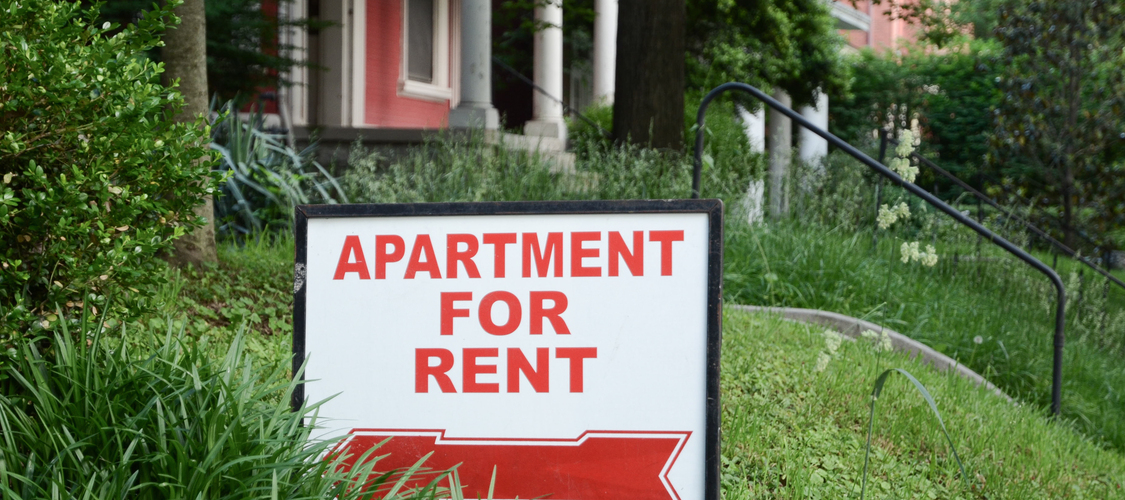
The most noteworthy advantage of a multifamily home is that your rental income may be able to offset your housing costs.
“Tenants cover a meaningful share of the mortgage, and your monthly outlay can land below what you would pay to rent a similar unit,” said Erik Leland, a real estate broker at Realty First in Lake Oswego, Ore.
Also, you may be able to qualify for owner occupied financing on a home that is largely an investment asset.
“Live in one unit and you can buy a two- to four-unit property with a residential loan and a low down payment,” Leland said. “Pure investors do not get that opportunity.”
Additionally, vacancy is less of a problem with multifamily properties. If a single-family rental sits empty, income sits at zero. If one unit in a fourplex turns over, rent payments on the other units can help offset the loss of income.
These types of properties also offer a great deal of flexibility. For example, a unit can house aging parents, an adult child, or a tenant.
Multifamily property tradeoffs to keep in mind
If you do invest in a multifamily home, don’t expect passive income. You must commit to being a landlord and all that entails. That’s usually the greatest drawback for most people.
You will be responsible for finding and screening tenants, collecting rent payments, and fixing things that break in the unit unless you hire a property management company. These companies typically cost about 8% to 12% of the monthly rent.
Also, a multi-unit property often costs more than a one-unit starter home. Then you add on insurance, which is often higher on investment properties, and maintenance, which multiplies with every additional kitchen and water heater.
That’s why it’s important to do the math before you seal the deal.
“Run the numbers and only purchase the property if you’re comfortable subsidizing the gap while equity builds,” said Leland.
Also, if you do sell in the future, understand the home might sit for longer than you’d like.
“Your future buyers are mostly investors and owner-occupants with the same strategy as you,” said Leland. “That pool is smaller than the one for single-family homes and can ultimately mean more days on market.”
Author




 Stay one step ahead