Homebuyers
Hyper-Local Blind Spots Buyers Often Overlook at Their Peril
December 22, 2025
Most homebuyers tend to nail the big-picture research when they shop for a home. They consider property taxes, review school ratings, and evaluate commute times.
But sometimes, the everyday realities (and annoyances) of what it will be like to live in the home are overlooked. These not-so-noticeable things can impact your property value.
“Homebuyers spend most of their time evaluating amenities, yet they fail to notice micro-patterns that affect property long-term value,” said Kristina Allan, real estate expert and founder of the brokerage firm Kallanlvre in Las Vegas, Nev.
These are the hyper-local factors that never show up in a property description, like noise levels, the nightmare neighbors, and the lack of places to grab food at 6 p.m. on a Tuesday.
Here’s the nitty-gritty of what to look for when you’re shopping for a home.
1. Look for easements and right-of-ways
Easements are one of the biggest blind spots for would-be homebuyers.
These rights, recorded in the survey or title report, dictate who can legally use portions of your land. This can limit where you build fences, additions, or even plantings. Buyers who don’t scrutinize them may discover too late that their “private” property isn’t quite so private.
Beyond reading the title report, “ask the sellers if the utility companies have more access to your property than normal and will they need to access poles or lines?” said Realtor Jennifer Long at Sereno.com in San Jose, Calif.
“Also find out if a neighbor has use of the shared driveway on your property,” she said.
2. Look into future development
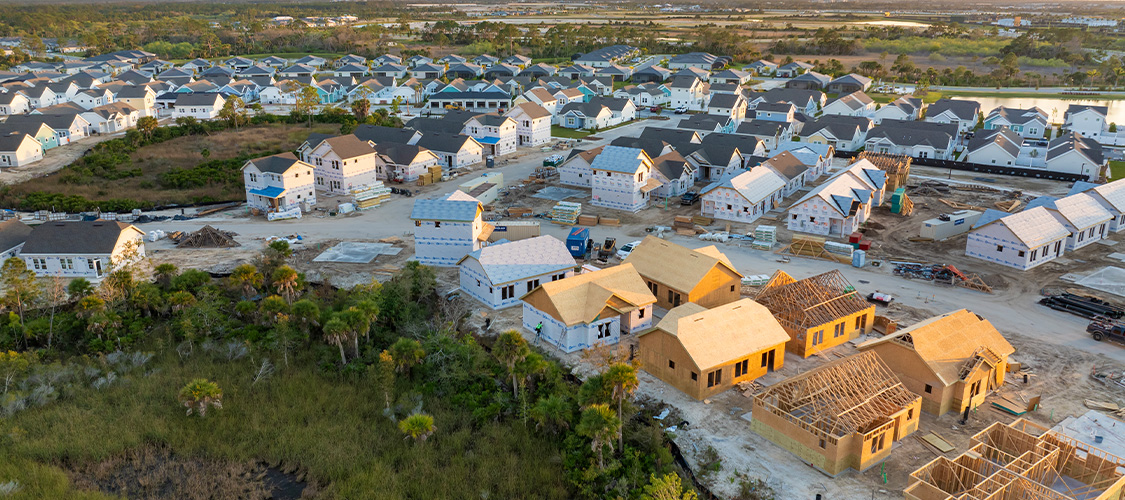
You may have found what seems like the perfect neighborhood. But what’s peaceful today might not be peaceful tomorrow.
“A quiet street can completely change once a new commercial project begins construction two blocks away,” said Allan. “I suggest all buyers review city planning documents and check for upcoming construction permits in their potential neighborhood.”
For instance, an empty lot behind your fence could eventually become a retail destination, an apartment complex, or even an off-ramp.
A quick scan of zoning maps or planning applications can reveal what’s planned for the future.
3. Take a close look at the neighbors
Buyers notice curb appeal, but rarely do a deep dive into how neighbors maintain their homes.
“A poorly maintained nearby home can directly affect home resale values,” said Allan.
So, look for things like a neglected lawn, overflowing driveway, or trash in the yard can weigh on the long-term value of your home.
4. Nearby grocery stores and access to food are important
Another big element to consider in your home search is where the grocery stores and restaurants are in relation to a new home.
“Some areas have fewer options for dining,” said Natasha Kittle, a real estate salesperson at Compass on Long Island, N.Y. “So, if you're someone who likes to order a bucket of wings to watch the game or enjoys a weekly Sunday supper out, it’s worth checking what the local dining scene actually looks like.”
Kittle notes that delivery apps smooth out some of this concern, but not all of it. If you crave a go-to spot, make sure the neighborhood can provide one.
5. Dogs, parades and…pickleball can cause annoyances

And then there are the local hassles no listing sheet ever warns you about.
“Non-stop barking dogs in your neighbor’s yard can make your house a virtual jail for children,” said Todd Hutcheson, founder of nationwide Ibuyhomes.com, who keeps a dog whistle with him on property tours.
Hutcheson also checks out where the local dumps are and prevailing winds that may carry odors.
And in Florida, he checks for pickleball courts, which are great if you play, maddening if you live close enough to hear the bounce.
Local parade routes and train lines matter, too.
“And in the Bay Area/Silicon Valley, we have light rail and Caltrain,” said Sereno, noting that tracks can be far closer and louder than buyers realize.
6. Be aware of microclimate differences
Some variables are invisible until you’re living with them.
“Two streets apart can mean radically different sun exposure, moisture retention, and temperature swings,” said Erwin Gutenkust, CEO of Neolithic Materials in Marina Del Ray, Calif. “These nuances rarely show up in listings, but they shape livability more than square footage ever will.”
Shade, wind, heat pockets, and cold pockets all play a part in how comfortable a home feels through the seasons.
7. Solar orientation and shade are important, too
The direction a home faces affects everything from energy costs to how each room feels.
Trevor Guilday of the nationwide solar energy EcoGen America notes that a west-facing wall with large windows can overheat in the afternoon. Meanwhile, heavy shade from trees or neighboring buildings can keep grass from growing or rooms feeling dim year-round.
On the other hand, a south-facing roof can save thousands in long-term energy costs while a north-facing one may do the opposite because of the amount of sunlight each receives. These are differences that can exist between two houses just a driveway apart.
8. Pay attention to noise and traffic at different hours

In some areas, a block can transform by the hour.
“A street that is quiet at noon may be noisy due to a ‘rat run’ of cut-throughs during rush hour,” said Zack Moorin, founder of Zack Buys Houses in Charlotte, N.C.
Some streets also absorb overflow parking from nearby businesses on weekend nights. A good idea is to visit a street at multiple times like a weekday morning, Friday evening, and Sunday afternoon. Only then do the patterns emerge.
Author




 Smart Moves Start Here.