Homebuyers
Future-Proof Your Home Purchase: How to Buy a Home with Resale Value in Mind
August 11, 2025
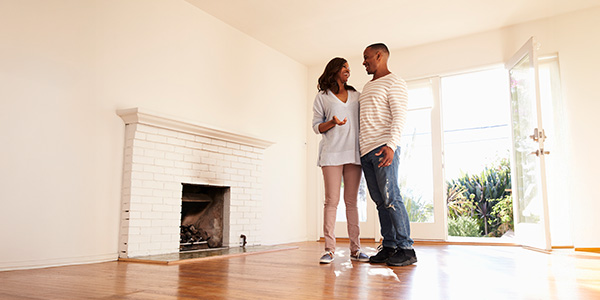
Chances are you will sell your home someday.
Whether the ultimate goal of homeownership is to trade up, cash out, or simply move on, the decisions made at the time of purchase can shape your bottom line down the road. That means you may want to purchase a home with resale value in mind.
In a real estate market where every dollar counts, buyers are wise to ask: Will this home be hard to sell later?
From floor plan quirks to zoning constraints, there are smart moves—and costly missteps—that can make or break your eventual resale.
Here’s how to shop with an eye on the future to ensure your next home holds its value.
Location still does most of the heavy lifting
It’s real estate’s oldest cliché for a reason: location matters. However, in a post-pandemic world, what constitutes “desirable” has evolved. Walkability is in. Long solo commutes? Not so much.
Close proximity to parks, cafes, and grocery stores can help a home retain value, especially as remote and hybrid work give buyers more freedom to choose where they live.
Additionally, neighborhoods with well-rated schools tend to fare better in downturns, even for buyers without children.
“Schools play a huge role in your ability to sell your home,” said Kristena Johnson, a broker in the Charlotte metro area of North Carolina. “The number one thing I hear from my clients when I ask if the commute is important to them is that their children loving their school is more important.”
Avoid over-improvement syndrome
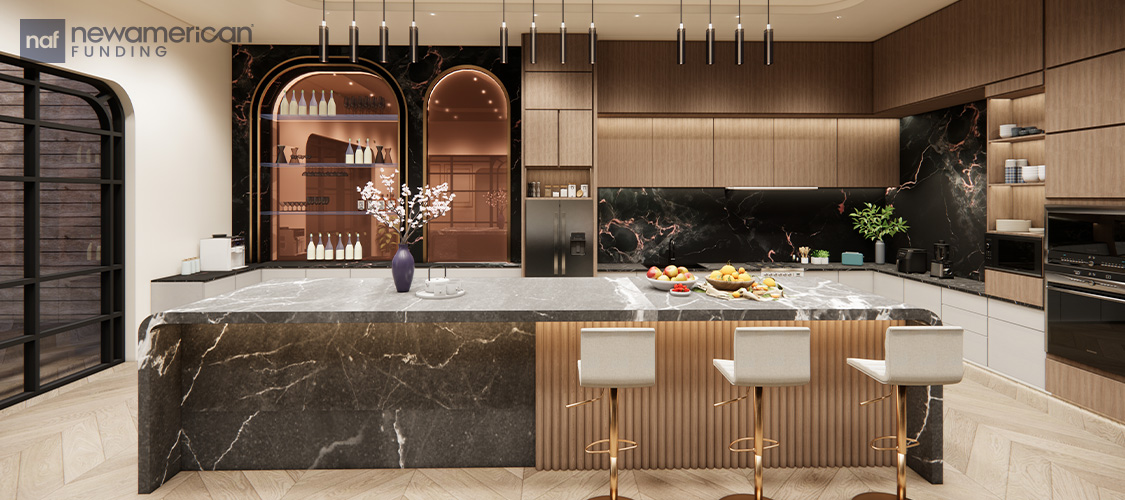
One of the simplest ways to hurt a future resale is to over-upgrade the property for the neighborhood.
That $80,000 kitchen remodel might improve your daily life, but if no other home on the block has a butler’s pantry and imported tile, you may not recoup what you spent when it’s time to sell.
“A good floor plan with natural light sells better than fancy finishes that might go out of style,” said Jagadish Vakati, founder of TrustPoint Home Buyers in Long Beach, Calif.
Instead of going full custom, consider a design with universal appeal. Focus on functional upgrades—like replacing old windows or improving energy efficiency—before blowing the budget on something ultra-specific.
Don’t chase square footage at the expense of flow
More space used to mean more value. But today’s buyers are savvier and more selective.
An awkward addition that creates a windowless room, or a home where you have to walk through a bedroom to get to the laundry area, can end up being a liability.
“A weird floor plan will turn people off no matter how nice the counters are,” said John Serrano, operations manager at online home improvement store The Trade Table.
A smaller home with a smart, intuitive layout will often sell faster (and at a better price per square foot) than a larger home that feels disjointed.
You can also look for a home with room to build on.
“With the growing demand for ADUs (Accessory Dwelling Units) that allow for multi-generational living and potential income from renting the space, buying a home with the room to easily add one is a fantastic way to increase your odds of increasing the resale value of the property in the future,” said Mark Warden, an associate broker for Porcupine Real Estate in New Hampshire.
Watch out for functional obsolescence
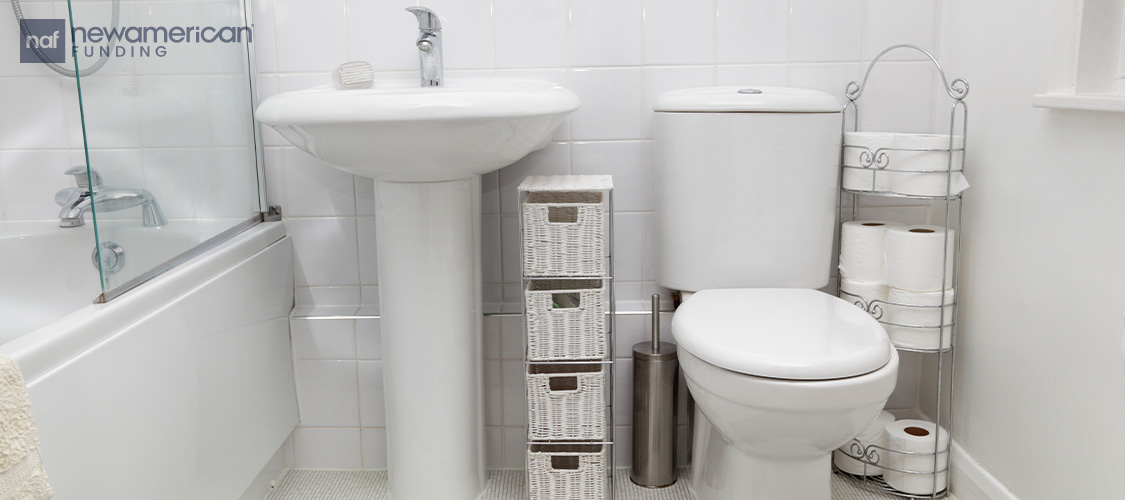
One of the less glamorous—but critical—factors in resale value is whether a home functions as buyers expect. A one-bathroom home may be fine for a single person, but families will see it as a deal-breaker.
“One-and-a-half baths sounds fine until you try to sell it,” said Serrano. “If it doesn’t have at least two full baths, it’s going to be a harder sell.”
Same goes for a home with no garage in a suburban area where two-car garages are the norm.
This is where purchasing a home with your future buyer in mind can help. You don’t have to live in the home like you’re staging it for sale.
Recognizing that certain features—or lack thereof—can cap your resale price will help you make smarter tradeoffs now.
HOAs, zoning, and what you can’t change
Resale value isn’t just about the home itself. It’s also about what you’re allowed to do with it. Homeowners association (HOA) rules, zoning restrictions, or easements can all limit future flexibility.
That might not bother you now. But if you—or your eventual buyer—want to add a deck, build that accessory dwelling unit (ADU), or install solar panels, the fine print matters. Ask your agent to dig into local rules before you close.
“One more thing is to just be honest with yourself,” said Serrano. “Is the street noisy? Does the yard feel cramped? Are the rooms dark? Those little things add up when you go to sell. The goal is to buy something you like, but that the next person will like, too.”
Author



 Smart Moves Start Here.