

Homebuyers
From Dating to Deed: How to Buy a Home with a Romantic Partner
January 1, 2026
For couples in long-term relationships, buying a home together can seem like the next logical step. However, unlike marriage, one-size-fits-all legal protections do not cover the purchase of property by a couple who are unmarried.
In fact, it’s closer to a business partnership with real money and risk at stake. And while love may bring you to the open house, it won’t help if something goes sideways down the line.
“I've seen too many unmarried couples make costly mistakes that could've been avoided with proper legal structure upfront,” said Tommy Lorden, managing broker and founder of Buyers’ Slice Realty, a Colorado-based firm.
So, before you co-sign that mortgage with your other half, here’s what to know about navigating homeownership when there’s no marriage license in play.
Forget roses, go through your numbers
Your home search should begin with an important meeting where everyone discusses their finances, including income, debts, credit scores, savings, and budget for a home purchase.
If one partner has much lower credit, it could affect the mortgage. Lenders usually base the loan terms on the lower credit score between the two of you. In some cases, it may make more sense for only the partner with stronger credit to apply—even if both will help pay the mortgage.
You also need to agree on how to manage shared expenses. Some couples open a joint checking account to pay for things like mortgage, taxes, and utilities. Others prefer to split bills separately or use a shared budgeting app to monitor contributions.
The key is that both partners agree on payment amounts, timing, and financial expectations.
“These conversations should happen before the home purchase—even better, before moving in together,” said Lane Kawaoka, founder of The Wealth Elevator, an educational website for real estate investors. “Think of it as a pre-nuptial financial dialogue. Conflict early is productive. Conflict later is expensive.”
Decide how you’ll hold title and put it in writing

How a homeowner holds the title affects what happens to the property if a relationship ends or if something unexpected occurs. Here are the most common forms:
Joint tenancy with right of survivorship means both partners own the property equally. If one partner dies, the other automatically gets their share.
Tenants in common allows each person to own a set percentage of the home, whether 50/50 or weighted based on who contributed more. This structure also allows either party to will or sell their share independently.
Sole ownership means the title is in just one name. This can be helpful if one partner is paying for the home. But without a separate legal agreement, the non-owner doesn’t have an official claim to the property, even if they are paying for it.
“Putting expectations in writing eliminates the chance that either partner can claim confusion later,” said Ramzy Ladah, a trial attorney at Ladah Law Firm in Las Vegas, Nev.
“Judges appreciate documents that spell out ownership shares, monthly contributions, and the steps to follow if one person wants to leave,” Ladah said. “That written roadmap turns emotionally charged decisions into matters of simple reference.”
Plan for the “what ifs” now
Relationships evolve. So do careers, finances, and life goals. Before signing on the dotted line to buy a home, run through the possibilities (especially the uncomfortable ones).
What happens if one of you wants to move for work? If you break up, does one partner buy out the other, or do you sell?
You should also talk about inheritance issues. Unmarried partners don’t automatically inherit each other’s assets. Without a will, the surviving partner might have no legal claim to the property, even if they’ve lived in the home for years. To protect each other’s rights, update your wills and power of attorney.
Finally, if you are planning to raise children in the home, make sure that your ownership documents also reflect this.
Have an exit strategy before you need one
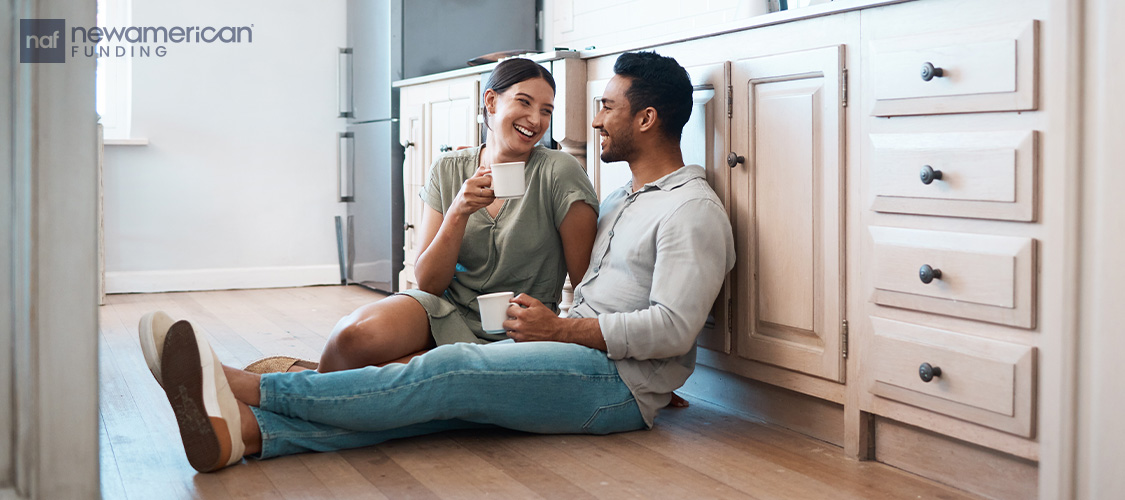
Exit terms may seem premature when you’re still arguing over cabinet hardware, but setting the terms now could save thousands (and many headaches) later.
Even if you’re not planning to sell anytime soon, it’s smart to agree on how a sale would work, especially if one partner wants out.
Some questions you may want to discuss include who can initiate a sale, how the price will be determined—through an appraisal or another method—and if one person wants to stay and buy out the other, how that equity will be calculated.
And what if major renovations were made—such as a new roof, an updated kitchen, and a finished basement—but paid for unevenly? Ensure your agreement reflects those improvements and accounts for them.
Don’t rush to the closing table
It’s easy for romantic partners to get swept up in the shared excitement of “our first home.”
Yet the purchase is a legal and financial contract. You’re entering into a binding agreement that affects your credit, your savings, and your long-term net worth.
So don’t rush the process, even if it feels like the next romantic milestone. Hire a real estate attorney. Review every document. Understand what you’re signing.
“Buying a home together is a big step, and it can be a great experience if you go in with a plan,” said Jon Wade, broker and owner of Colorado’s The Steamboat Group. “Talk honestly, get your agreement in writing, and treat it like a business decision as much as a personal one.”
Author



 Smart Moves Start Here.