Homebuyers
Foreclosures, Short Sales, and REO Properties: A Buyer’s Guide to Distressed Real Estate
August 12, 2026
With the price of everything seemingly going up these days, bargains are increasingly rare. Foreclosures are one area where you might be able to find a deal, but there are risks.
Homes sold under financial duress, whether at a foreclosure auction, through a short sale, or as a lender-owned REO (real estate owned) property, can sell for less than their market value, sometimes by quite a lot.
However, discounts on distressed real estate tend to come with strings attached. Foreclosure homes for sale have often been neglected. Additionally, you and your home inspector may not be able to step foot inside to assess the condition before you make an offer.
“It’s a great way to get something affordable in a very unaffordable housing market,” said Daren Blomquist, senior vice president and head of market economics at Auction.com, an online auction marketplace for real estate. “[But] you want to make sure that you do your homework before you buy.”
Here’s what prospective buyers should know before pursuing a distressed property.
What are distressed properties?
A distressed property is a home being sold under some form of financial pressure. It’s often because the owner has fallen behind on the mortgage, property taxes, or even homeowner association fees. These situations produce several distinct types of sales, each with its own timeline, process, and risks.
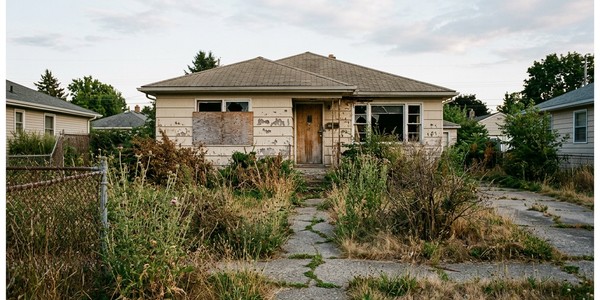
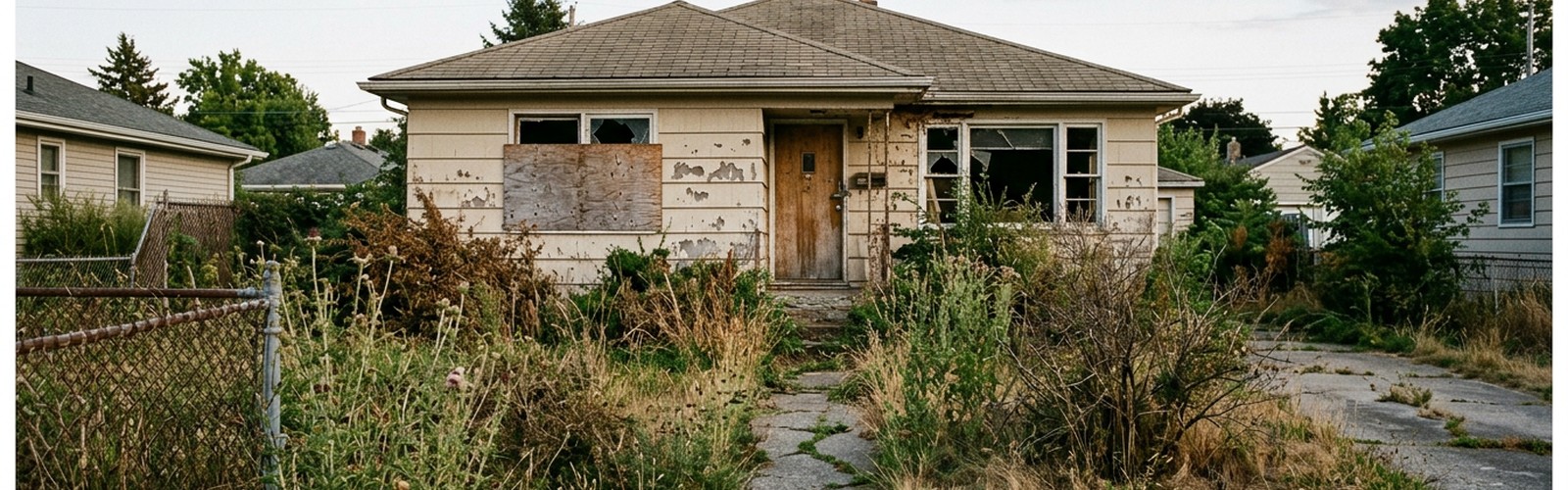
What these properties tend to have in common is deferred maintenance.
“They’re not typically in top-notch condition, because the homeowner has been struggling financially and may not have been able to keep up with maintenance,” said Blomquist.
Prices are generally lower because of the work the homes need.
Properties on Auction.com have historically sold for 30% to 40% below what comparable homes list for on Zillow, according to Blomquist. In today’s pricey housing market, that kind of discount is appealing.
What homebuyers need to know about foreclosure homes
When a homeowner falls far enough behind on their mortgage, the lender may start the legal process to reclaim and sell the property through a foreclosure auction.
This is a forced sale conducted at a specific date, time, and location, determined either by a court or a trustee. The original homeowner has no control over the proceedings.
In some cases, properties with long-overdue property taxes or other bills can be seized and end up in foreclosure.
How do you purchase a home in foreclosure?
If you’re hoping to buy a home at an auction, usually you need to pay cash. At most foreclosure auctions, buyers must arrive with cashier’s checks, because traditional mortgage financing typically isn’t available for homes that can’t be inspected first.
Since you don’t know how much you will end up needing at an auction, buyers will get cashier’s checks in various denominations.
Once a buyer has taken possession of the property and interior access is possible, they may be able to move into a traditional mortgage. They may even be able to include renovation costs into the mortgage, such as with an FHA 203(k) loan.
Foreclosure homes for sale are often listed on auction sites, where buyers can research properties before bidding day.
Blomquist recommends that first-time buyers attend a foreclosure auction as observers before placing any bids.
In roughly half of U.S. states, professional auctioneers run the sale. In the other half, a county sheriff presides. Either way, the format is familiar with an opening bid, competitive bidding, and a gavel drop.
What is a short sale?
A short sale is what happens when a homeowner facing financial hardship decides to sell proactively, before the property reaches the foreclosure stage. The “short” in short sale refers to selling for less than what’s owed on the mortgage.
Since the proceeds won’t fully cover the debt, the lender must agree to the sale price.
Short sale homes typically appear on standard real estate platforms and buyers can usually access them through a real estate agent.
Unlike foreclosure auctions, short sale real estate generally allows for property inspections and mortgages. That may make the process less stressful for first-time buyers and others who plan to live in these homes.
The trade-off is time. Closings on short sale properties can take longer than typical home sales as the seller’s lender must sign off on the deal.
REO homes and lender-owned properties
If there’s no winning bidder in a foreclosure auction, the property reverts to the lender. It then becomes what’s known as a REO property, short for real estate owned. Since lenders typically don’t want to hold on to these properties, they often try to sell REO homes quickly.
REO properties may go through another round of auctions or be listed on the multiple listing service (MLS) through a real estate agent. When listed on the MLS, REO homes are more like typical sales. Buyers generally can conduct inspections, use traditional financing, and go through a standard closing process.
REO properties tend to carry a slightly larger discount than foreclosure auction properties and also tend to be in slightly worse shape. That’s partly because the most desirable properties were already purchased at earlier foreclosure auctions, leaving behind homes that were less appealing the first time around.
What to watch out for when buying a distressed property
Regardless of which type of property you’re considering, there are risks worth understanding before you commit.
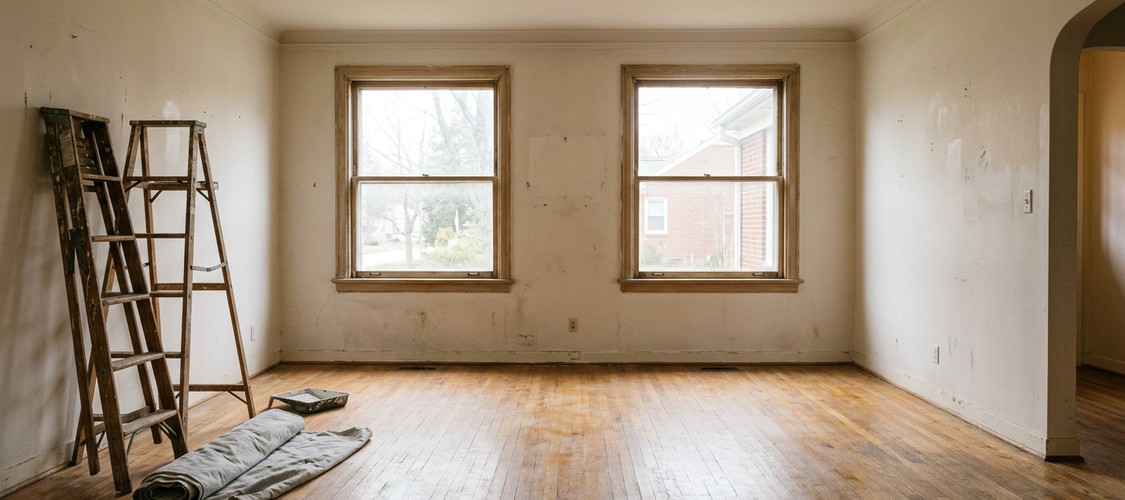
You may not be able to see the inside. At foreclosure auctions, interior access is rarely allowed. You're bidding on a property without knowing what you’ll find inside. Buyers can and should drive by and assess the exterior, and a contractor can help estimate repair costs based on what's visible. But there could be expensive issues hiding inside.
Budget generously for repairs. Distressed property buyers typically build in a sizable cushion to account for renovation costs and other unknowns. The more visible wear on the exterior, the lower a buyer's maximum offer should go.
Research liens before you bid. Some distressed properties carry existing debts that can be transferred to the new owner. Unpaid property taxes are among the most common and costly. To avoid any surprises, do a thorough title search run by a title company or real estate attorney before bidding on a property.
Someone may still be living there. At a foreclosure auction, it’s not always clear whether the property is occupied. If it is, the new owner may need to go through a formal eviction process to take possession, which would involve an attorney. REO properties are different: lenders typically disclose if there’s a tenant or not.
Know your state’s right of redemption rules. In some states, former owners have a legal window after a foreclosure sale during which they can reclaim the property by paying off the outstanding debt. That’s even after the new buyer has taken ownership. Rules vary by state, so it's important to research laws in your area before buying.
Assemble your team before you bid. Blomquist recommends having a real estate agent familiar with distressed sales, a title company or attorney, and a contractor lined up before attending a foreclosure auction, not after.
Author




 Stay one step ahead