Homebuyers
Fannie Mae and Freddie Mac: How They Make Homeownership Possible for Millions of Americans
February 5, 2026
If you’ve purchased a home with a Conventional loan, chances are your mortgage is backed by Fannie Mae or Freddie Mac. The pair play a huge role in the mortgage process.
But most homebuyers may not know how these government-sponsored enterprises have made homeownership possible for generations of Americans.
“Fannie and Freddie are essentially market makers,” said Ken Johnson, chair of real estate at the University of Mississippi.
So, why are Fannie Mae and Freddie Mac so essential to the housing market? Keep reading to find out.
What Fannie Mae and Freddie Mac do
Fannie Mae and Freddie Mac are key to the housing market. They back mortgages and sell them to investors. This frees up capital for lenders, allowing them to make new loans. This ensures buyers have access to the loans they need to become homeowners.
“[They] allow primary lenders (like mortgage companies and banks) to stay continuously in the home lending business without fear of running short of capital to make loans,” said Johnson.
Fannie and Freddie make it easier for banks to offer credit to borrowers. They also put downward pressure on mortgage interest rates and down payment requirements.
“This is particularly helpful to first-time homebuyers,” said Johnson.
But why were Fannie Mae and Freddie Mac established in the first place, and how have they changed over time?
The creation and growth of Fannie Mae
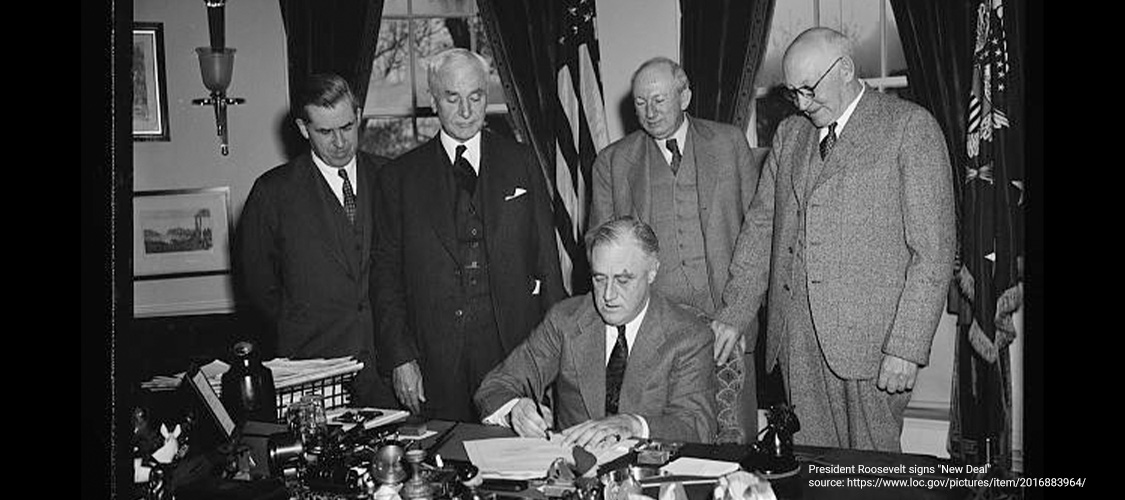
As part of his New Deal amid the Great Depression, President Franklin D. Roosevelt created the Federal National Mortgage Association (FNMA, or, eventually, Fannie Mae) in 1938 to help stabilize the housing market.
Before the creation of Fannie Mae, the mortgage market was quite unstable. Most home loans required large down payments and came due within five to 10 years, not the 15- and 30-year terms that are common today.
Fannie Mae would purchase government-backed mortgages from lenders. This gave lenders the cash they needed to turn around and offer more home loans. Originally these were Federal Housing Administration (FHA) loans only, but eventually U.S. Department of Veterans Affairs (VA) loans were included as well.
By creating a steady flow of mortgage funding, homeownership became more accessible. This helped rebuild confidence in the U.S. housing system for everyday Americans.
“Fannie created [loan] underwriting standards for both borrowers and properties. That is, both the borrower and property had to qualify against these standards,” Johnson added.
Today, lenders must meet strict criteria to be eligible to sell mortgages to Fannie Mae (and Freddie Mac).
Fannie also helped create stricter building standards.
“Before Fannie Mae, construction standards were so low that the expected life of many structures could be measured as less than a decade,” Johnson continued. “The extended building life allowed for longer loan periods, further decreasing monthly payments.”
Fannie was eventually reorganized into a public-private, mixed-ownership corporation in 1954.
By 1968, Fannie Mae was no longer a government agency at all, but instead a privately held corporation with a congressional charter.
At this point, Fannie Mae was listed on the New York Stock Exchange. However, it was still heavily regulated by the government.
Freddie Mac joins the party
Thanks to the success of Fannie Mae, Congress chartered Freddie Mac (the Federal Home Loan Mortgage Corporation) as part of the Emergency Home Finance Act of 1970. This expanded the mortgage market.
At this time, Fannie Mae and Freddie Mac were both approved to buy Conventional mortgages, not just government-backed mortgages, such as FHA and VA loans.
In 1989, Freddie Mac was reorganized into a corporate structure similar to Fannie Mae.
Fannie Mae and Freddie Mac in the Great Recession
Fannie and Freddie came under scrutiny during the Great Recession in the late 2000s.
Rampant investor speculation in the housing market, rapidly rising home prices, and riskier mortgages contributed to the financial crisis. Many borrowers defaulted on mortgages they couldn’t afford and home values fell.
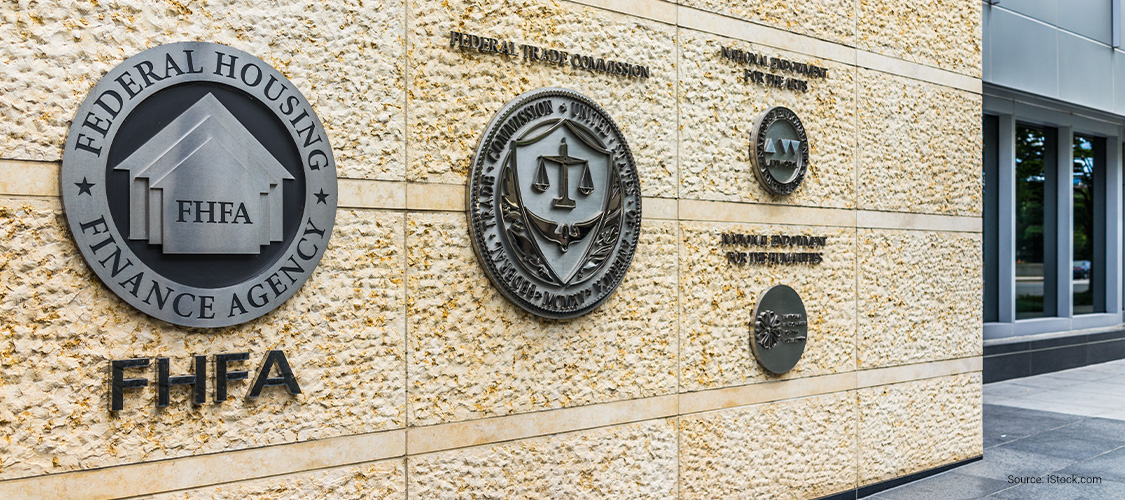
The federal government pumped billions of dollars into Fannie and Freddie to stabilize the housing market. The government also created the Federal Housing Finance Agency (FHFA), which took control of both Fannie Mae and Freddie Mac and placed them in a conservatorship.
Both entities remain under government conservatorship today. However, policymakers and leaders in the housing industry continue to discuss ending the conservatorship and taking Fannie Mae and Freddie Mac public once again.
Some observers speculate that privatizing the government-sponsored enterprises could result in slightly higher mortgage rates. It may also become harder to qualify for a mortgage than it is today.
However, in this scenario, taxpayers could no longer be responsible for bailing Fannie or Freddie out if they run into financial trouble. And more private companies could enter the market, offering new kinds of mortgages and potentially even lower costs for borrowers.
Author




 Smart Moves Start Here.