

Homebuyers
Decoding Real Estate Lingo: What These Common Terms Really Mean
February 20, 2026
You’ve scrolled through the listing photos, checked the asking price, and mapped the location. So far, so good.
But before you fall head over heels for a listing—or start mentally arranging your furniture in the living room—it’s worth hitting pause. What a home looks like online doesn’t always align with reality. So, it’s worth figuring out which ones are worth your time before attending an open house (or 10).
Often, figuring out if a home is right for you requires closely examining the small details in the property description.
“As someone who buys homes all over Florida, I’ve seen just about every type of listing description out there,” said Jeff Lichtenstein, CEO of Echo Fine Properties in Jupiter, Fla. “A lot of the language is written to grab attention—not to tell the full story. Buyers really need to slow down and look closely before they get too excited.”
Here’s how to decode some of the most common real estate euphemisms and avoid falling for listing lingo that oversells or underdelivers.
“Priced to sell”
This phrase might originally sound like a home is a bargain, but it could mean the opposite.
“Often, it means the seller is firm on their price and not willing to negotiate,” said Jason Gelios, a real estate agent in Michigan at Community Choice Realty in Southeast Michigan.
“One of a kind” or “unique”
A home that’s unlike any other might sound like a positive, but tread carefully.
These could be oddly shaped homes (like castles or hobbit homes) or ones with potentially challenging layouts.
“If a home is truly one of a kind, that could make resale tough,” said Gelios. “Buyers should be wary of features that are too personalized or trend-heavy, especially if they’re hard or costly to change.”
“TLC”
Many buyers see this and assume the home requires only a few light repairs.
“Often, it’s more than that,” said Denise Supplee, a real estate broker and property manager in Pennsylvania. “We’ve walked into so many ‘TLC’ listings that needed significant work—think HVAC, roof, windows, or even full-gut renovations.”
“Newly renovated”

This description can go either way. Some homes offer buyers the opportunity to step into a property where all major issues have been addressed. Other times, it’s the opposite.
“I recently sold a home listed with those glorious words,” said Supplee. “The home was beautiful. However, further investigation revealed significant issues with the plumbing and electrical systems. My clients had friends who were contractors and as a result, were able to negotiate a better price.”
Ron Myers of Ron Buys Florida Homes explained that the newly renovated issue often comes down to cheap flips.
“Perhaps they installed quartz countertops and new floors, but overlooked the 30-year-old electrical panel,” said Myers. “So, you’ve got to look beyond the finishes and ask what was done behind the walls.”
“Cozy”
Sometimes cozy means a wood library with a fireplace, but generally it translates into one thing.
“It usually means the place is small,” said Myers. “Not cute or warm, just tight.”
You might walk into a home and realize your couch won’t fit, or that the bedroom barely accommodates a full-size bed. Cozy can also refer to low ceilings, minimal closet space, or unusual layouts.
Two other words to look out for?
“‘Cute’ means there is a problem,” said Lichtenstein. “‘Comfortable’ means uh-oh!”
“Fixer-upper”
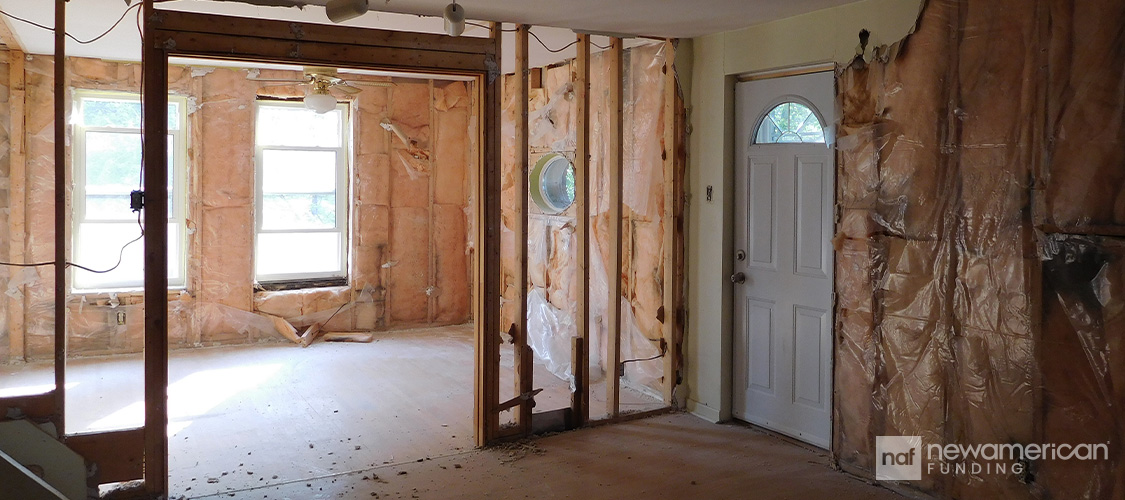
This listing term can be a major red flag or an opportunity, depending on your budget and appetite for tackling repairs.
“‘Fixer-upper’ could mean anything from paint and flooring to a full gut-job,” said Myers. “I’ve seen homes labeled as fixer-uppers that probably needed to be torn down, as the cost of repairing the existing home is more than the cost to tear it down and start over.”
Myers advised that when buyers see a fixer-upper for sale, “to ask what kind of repairs are needed before falling in love with the price.”
“Cash only” or “Investor special”
Buyers who see either of these two phrases should be wary.
“When I see something listed as ‘cash only’ or ‘investor special,’ I already know the home probably won’t qualify for a traditional [mortgage] loan,” said Myers. “There’s usually something major going on behind the scenes. Maybe the roof is shot, the wiring is ancient, or the plumbing’s leaking.”
For buyers who need a mortgage, these types of issues could mean a home won’t pass inspection and could be a deal-breaker.
“It’s something buyers need to look into before wasting time,” Myers added.
“Steps to…”
This can be misleading.
“Unless there is an aerial that shows if you are steps to the beach, this term can mean a lot of things,” said Lichtenstein. “But for sure it means you don’t have a good view.”
He also advised to look out for a “garden view.”
“That usually means you are looking at a wall,” said Lichtenstein.
“Up-and-coming neighborhood”
This optimistic term often signals a transitional area that hasn’t arrived just yet. That’s not necessarily a bad thing, but it’s worth doing your research.
“That doesn’t mean it’s a bad investment, but you should definitely drive the area, talk to people, and get a feel for what’s going on nearby,” said Myers.
“Well-maintained,” “charming,” and “comfortable”

All of these can be filler words that gloss over bigger issues.
“Listing descriptions are written to sell,” said Lichtenstein. “So, you’ll see things like ‘charming’ paired with outdated features like ceramic tile, linoleum, or a central vacuum.”
His advice: look for tangible details.
“‘Fabulously updated kitchen’ is better than just ‘updated,’” said Lichenstein. “‘High ceilings’ is vague. You want ‘volume ceilings’ or ‘soaring ceilings.’ The more specific a listing description is, the better.”
“Good bones”
These two words get thrown around a lot when talking about a home, but what does it really mean?
“Now, there’s nothing wrong with a home having that, and in fact, good bones can be great,” said Seamus Nally, CEO of TurboTenant. “However, it’s important to be wary of this phrase because what it often means in a home description is that the home isn’t great cosmetically.”
On listings, it often means that the home has only one thing going for it: its structure. If you’re flipping, that’s fine. But if you want a move-in-ready home, you’ll likely be facing a major renovation.
“At the end of the day, listings are meant to sell you on a dream,” said Myers. “It’s your job as a buyer or investor to slow it down and dig a little deeper. Ask questions, run your comps [of similar properties nearby], and try to look at it without the fluff. That’s how you avoid surprises and find the real deals.”
Author



 Smart Moves Start Here.