

Homebuyers
Buyer Be Warned: What Home Inspections Don’t Always Catch
December 4, 2025
From roof damage that doesn’t show until the next big storm to aging wires buried behind the walls, home inspectors may not catch every potential problem with a property.
Home inspections are a crucial step in the homebuying process, giving buyers a professional assessment of a home. However, they aren’t an ironclad guarantee against future repairs or costly surprises.
Since inspectors are limited to what they can see and access during a short window of time, hidden damage or seasonal wear can sometimes be missed.
If you’re not asking the right questions or bringing in the right specialists, you could be moving into a home with problems that won’t reveal themselves until the first storm, heat wave, or freeze hits.
“Just because a house presents itself well doesn’t mean it’s solid underneath,” said Alex Mendel, a Boca Raton, Fla-based real estate agent at Keller Williams Realty. “Due diligence is essential during the inspection process.”
Below are some of the common problems that professional home inspections may miss—and what you can do to avoid being caught off guard.
Home inspections may not detect seasonal issues
Pipes that crack in a freeze or pests that go dormant in winter might not show up in a spring home inspection. That’s because what inspectors see can depend on the season.
“Most pest problems are seasonal and ‘hide’ for parts of the year,” said Nicole Carpenter, president of Black Pest Prevention in Charlotte, N.C. “If you have a home inspection in late fall or winter, you are likely to miss the signs of snakes, carpenter ants, termites, or wasp nests that were active all spring and summer.”
You probably can’t schedule inspections every season. But you might want to ask the seller about possible seasonal problems they might have had, including pests.
Roof and gutter risks

Some inspectors won’t climb a roof, while others only include a general visual inspection as part of the service. That means potential leaks or structural issues could potentially go undetected.
“Since roof damage can be very costly, and damage that goes unnoticed can cause major issues like water damage and mold in the home, you want to know if you need to hire a roof inspector specifically or not,” said Andre Kazimierski, president of HomeHero Roofing, based in Downers Grove, Ill.
It’s important to ask home inspectors how they will be inspecting the roof. If you’re buying a home with an older roof, you may want to ask the sellers if they have had any problems. You might also want to consider hiring a roofing specialist for added peace of mind.
Leaks, mold, and invisible threats
Water damage can be subtle and destructive. Slow leaks or hidden moisture behind drywall may not be visible during a basic inspection.
“A regular home inspection ... might not look for hidden moisture infiltration, in stucco, behind drywall or in the corners of an attic,” said Jacob Naig, owner of We Buy Houses in Des Moines, Iowa.
“A property I’d almost closed on had zero visible signs of moisture damage from a slow roof leak that had gone undetected until I reached over the sill line with a moisture meter,” Naig said. “The concealed rot might easily have doubled our repair bill.”
Infrared scans and moisture meters can help uncover what a visual inspection might miss—before it turns into a costly problem.
Electrical surprises may lurk behind the walls
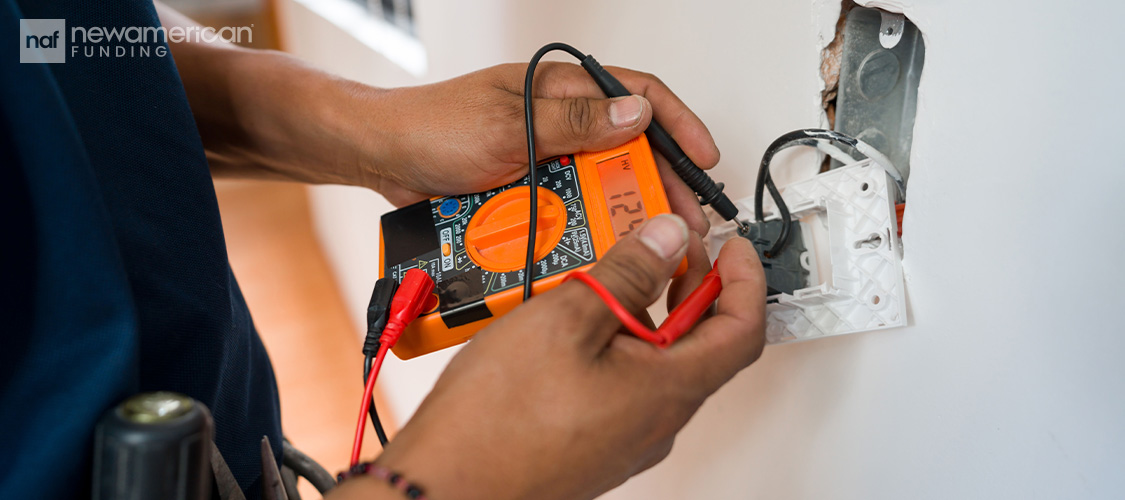
Even newer-looking electrical panels can hide outdated or dangerous wiring if inspectors don’t dig deeper.
“You could have brand new breakers, wires, panels,” said Doug Greene, owner of Cash House Closers in Raleigh, N.C. “But what about what is buried in the ceiling or walls in a 1950s build?”
Older homes especially may require an electrical specialist to rule out costly rewiring or safety issues.
What standard home inspections might miss
Some of the most important parts of a home aren’t included in a routine inspection. Sewer lines, grading issues (such as the slope of the land a home is on), and even indoor air quality often go unchecked. But they can all lead to major problems down the line.
Take grading issues, for example. Naig once worked with a homeowner who spent years dealing with basement floods because rainwater was being channeled toward, rather than away from, the slab the home sat on.
“I now recommend a geotechnical engineer’s grading analysis and a downspout/soil‑percolation review to make sure the water gets out of there the right way,” said Naig.
Look beyond the basics in a home inspection
A home inspection is a smart first step, but it’s not the final word.
Knowing what can be missed, and where to bring in extra help, can save homeowners thousands in surprise repairs. It also never hurts to ask home sellers about any problems they may have had.
Ask questions, dig deeper, and don’t be afraid to call in additional professionals.
“Don’t rush the inspection,” Mendel said. “If possible, ask your agent if they have a trusted inspector they regularly work with. Also, be sure to ask the inspector what isn’t included in their report and consider bringing in specialists if anything raises concerns.”
Author




 Smart Moves Start Here.