Homebuyers
America’s Homes Are Older Than Ever. What Homebuyers Need to Know Before Making an Offer
April 29, 2026
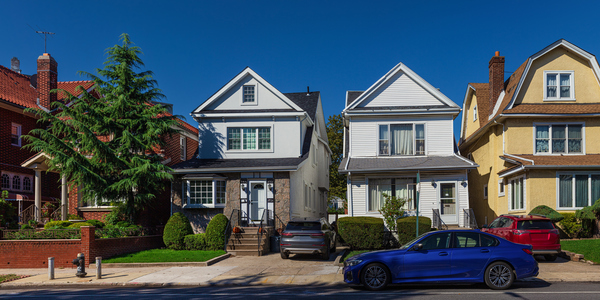
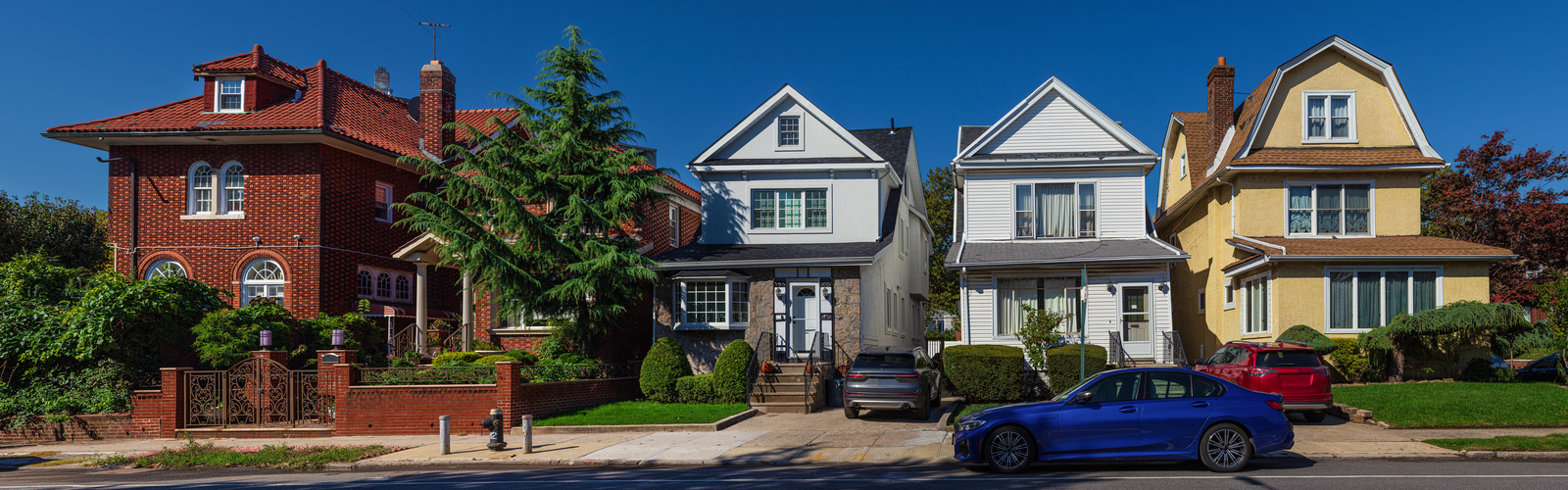
America’s homes are getting older. That can mean charm, character, and established neighborhoods. It can also mean systems nearing the end of their lifespan, with costs that don’t always show up at first glance.
The typical U.S. home is now middle-aged at 44 years old, the oldest on record, according to a new analysis from the Harvard Joint Center for Housing Studies. For homebuyers, that doesn’t change the appeal of these homes. It does change how to evaluate them.
The goal isn’t to avoid older homes. It’s to understand what to look for, what to ask, and how to plan accordingly.
That starts before you even make an offer. Ask for the age of major systems, not just the home itself. These answers help you understand whether you’re buying something that was recently maintained or is due for replacement.
Here’s what you need to know.
Older homes come with built-in maintenance
In many homes built in the late 1970s through the 1990s, major systems are already aging and replacements may be needed sooner than expected.
“One of the biggest hidden costs is the roof that looks fine from the ground,” said Daniel Cabrera, owner of Roof Direct San Antonio in Texas. “People inspect the kitchen and bathrooms. But they don’t go into the attic, where you [may] find deteriorated decking, poor venting, and sometimes multiple layers of shingles.”
Those roofs often need a full replacement, not minor repairs.
Cabrera said roof replacement costs in his market typically range from $8,000 to $17,000, depending on the home. It can be more depending on where you live.
For buyers, that means budgeting ahead. Setting aside 1% to 3% of the home’s purchase price annually can help cover the costs of major repairs.
Other big-ticket issues homebuyers overlook
Some of the most expensive problems in a home are the easiest to miss.
“Buyers should pay extra attention to the condition of the foundation,” said Justin Chau, a real estate professional in San Gabriel, Calif. Repairs can run into the tens of thousands of dollars, depending on the extent of the issue.
Plumbing is another frequent surprise. Because these systems are hidden, buyers often underestimate the risk.
“Buyers often assume nothing will go wrong,” said Chau. “They don’t account for the fact that the home will most likely need upgrades sooner or later.”
To protect against that, Chau recommends that buyers also use home inspections as leverage. If issues arise, ask for seller credits or repairs before closing rather than absorbing the costs later.
Homes that look move-in ready may not be
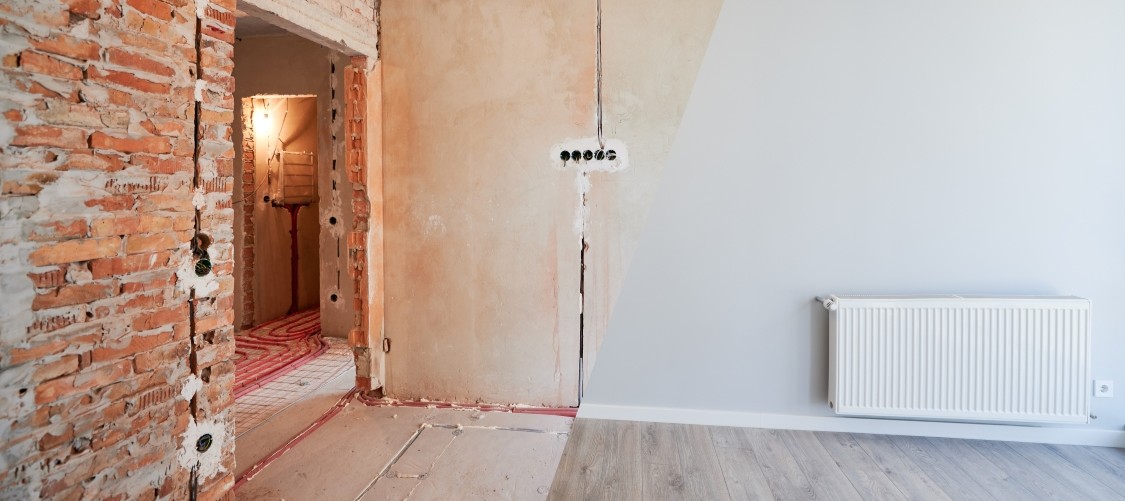
Cosmetic updates can be misleading. Floors that look level, tile that appears intact, and freshly updated finishes can hide deeper issues that only show up once work begins.
“We’re in older homes all the time,” said Daniel Ilinykh of Bay Way Flooring in Tampa, Fla. “A lot of them look fine until you start working. Then you see uneven floors, old tile jobs, and moisture that’s been sitting there for years.”
That often shifts a buyer’s plans.
“We’ve had jobs where we couldn’t even start until the floor was fixed first,” said Ilinykh. “That’s where people get hit on cost. They plan for updates but end up fixing what’s already there.”
A smart approach is to prioritize function over finishes. If you must, choose to address structure and systems first, then circle back to design updates once the home is stable.
Older homes can still be smart buys
Despite the risks, older homes remain some of the most competitive listings in today’s market, especially for buyers priced out of newer construction.
“Older homes are definitely more attractive right now because of their price,” said Chau. “Finding an older fixer[-upper] in an attractive neighborhood is like finding gold on the sidewalk.”
These homes may also have historic details and other charms.
That trade-off, location, and price in exchange for future work can work in a buyer’s favor.
In some cases, sellers are already factoring needed repairs into pricing or offering credits. A home with a recently replaced roof or updated systems can also offer strong value compared with a newer property where maintenance has been deferred.
Don’t skip the home tests that matter
Standard inspections are a starting point, not a full safety net.
“The biggest hidden cost buyers miss is the well and septic,” said Pete Nase, owner of TheHomeGuide. Homes built before the 1970s often rely on older systems that may be near the end of their lifespan.
A septic system, for example, typically lasts 30 to 40 years, and replacement can cost $15,000 to $40,000. Electrical systems can also pose risks that go beyond cost.
Some older panels and wiring types are considered fire hazards and can make it difficult to secure homeowners’ insurance.
To get ahead of these issues, Nase recommends going beyond the standard inspection, especially for homes over 30 years old.
“Spend $400 to $600 on three independent tests,” he said, including a sewer scope, a water test if the home uses a well, and a radon test. “These catch the expensive problems that standard inspections routinely miss.”
For buyers, that extra step can provide clarity before closing and leverage during negotiations if issues surface.
Author



 Stay one step ahead