Housing News
New Homes Cost Less Than Existing Homes in These Top Markets
September 1, 2026
Homebuyers searching for new construction may want to look South.
Eight of the 10 best metropolitan areas for purchasing a newly built home are in the South, according to Realtor.com’s 2026 ranking. In four of the top markets, new homes are listed for less than existing homes.
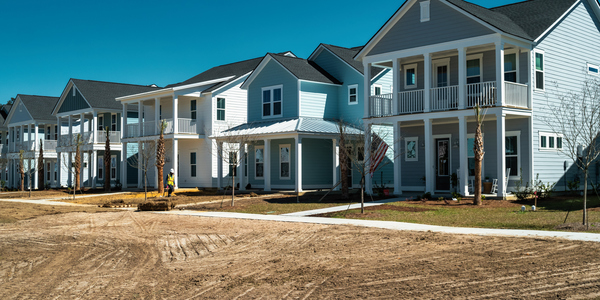
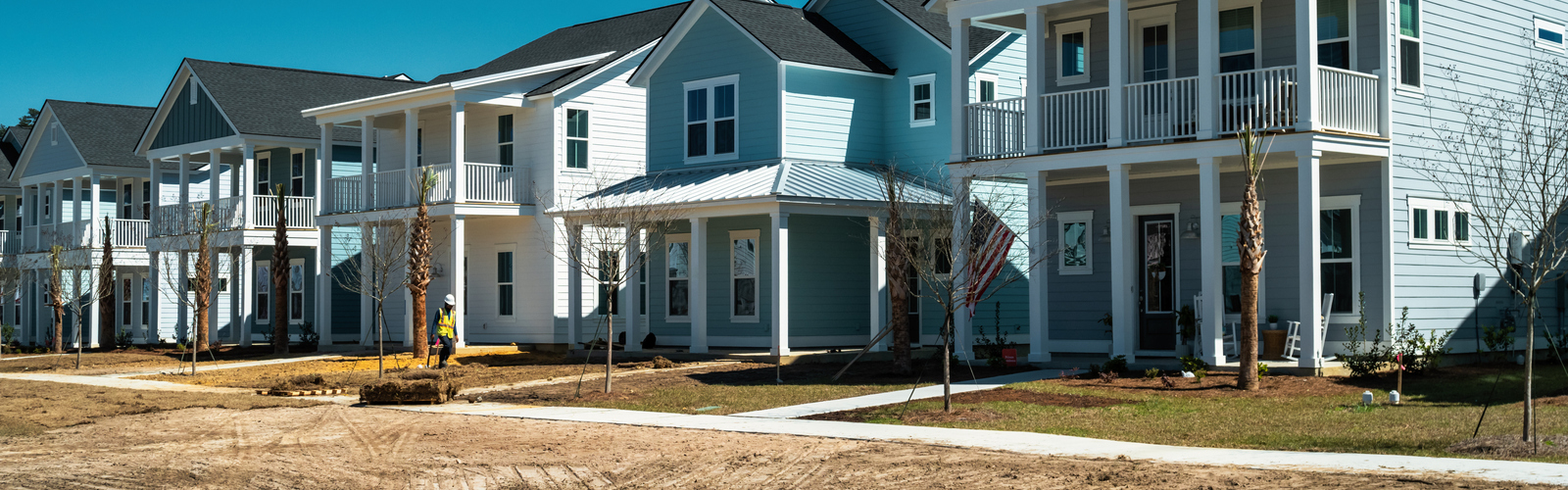
Charleston, S.C., was ranked the best metro to buy new construction. The typical newly built home there was listed for $443,273, or 12.2% less than the $504,832 median for an existing home. That is a difference of more than $61,000.
(Metros include the main city and surrounding towns, suburbs, and smaller urban areas.)
“These are genuine affordability opportunities,” said Joel Berner, senior economist at Realtor.com. “Builders in many parts of the country are eager to move [housing] inventory and are combining favorable pricing with buyer incentives to deliver some very attractive deals to home shoppers who choose to look at new construction.”
Realtor.com ranked the nation’s 100 largest metropolitan areas on the share of new construction listings, price difference between new and existing homes, differences in flood, fire, air-quality, wind, and heat risks, views for new construction listings in those areas, and the median time on market.
Charleston isn’t the only market where choosing a brand-new home could leave more money in a homebuyer’s pocket.
Where new homes offer a price advantage for buyers
New construction also came with a discount in three other top-ranked markets. In Boise, Idaho, the median new-construction listing price was $536,405, or 4.5% below existing homes.
Columbia, S.C., had a median price of $310,745 for new construction, a 3% discount, while Greenville, S.C., had a median of $354,135. That was 1.6% less than for existing homes.
Some markets that fell outside the top 10 offered even greater savings. Newly built homes were listed for 12.9% less than existing homes in Cape Coral, Fla., where the median new construction listing price was $496,102. In Lakeland, Fla., the median was $315,821, or 1.4% below existing homes.
Location is one reason new construction can carry a lower price tag. New developments in some of these metros are concentrated in outlying suburban areas, where prices can be lower than they are closer to city centers.
“In these places, a slightly longer commute can translate to serious savings both at purchase and over the lifetime of maintaining the home,” said Berner.
Homebuyers should keep in mind that the figures compare median listing prices rather than otherwise identical homes. Property size and type can differ, and advertised new-construction prices may not include lot premiums, upgrades, appliances, landscaping, or other features.
Why the South dominates new construction
Southern metros have some conditions that make adding new housing stock easier. These include often lower land costs, more permissive zoning, and fewer building restrictions in many areas, according to Realtor.com.
Six of the top 10 markets are in North or South Carolina. Charleston and Greenville took the first two spots, while Charlotte, Winston-Salem, and Durham in North Carolina and Columbia in South Carolina also made the list.
Chattanooga and Nashville, Tenn., brought the South’s total to eight. Boise and Madison, Wis., were the only top-ranked markets outside the region.
“Markets such as Charleston, Greenville, and Boise are demonstrating what new-home buyers value most: choice and pricing that make a newly built home a realistic option,” said Berner in a statement accompanying the ranking. “The concentration of top performers in smaller, high-growth metros is a reminder that housing supply responds to local conditions. When communities make it feasible to build, buyers have more options.”
Smaller and midsize metros stood out. Charlotte, the nation’s 20th-largest metro, was the largest market to crack the top 10.
Builder incentives can stretch a homebuyer’s budget
The listing price isn’t the only number that can make new construction attractive.
Builders may offer incentives such as closing cost assistance or upgrades. Some will even buy down the purchaser’s mortgage interest rate, temporarily or permanently, lowering monthly housing payments. Depending on the offer, those perks can reduce expenses.
“With the long-term lower cost of ownership in a new build, their top-line budget number might be higher when shopping new construction than when shopping existing homes,” said Berner. “This is why it’s important to consider total monthly expenditures rather than just the sticker price when building a budget to buy a home.”
The top 10 markets for new construction
- Charleston, S.C.
Median new-construction listing price: $443,273
New construction share of listings: 24.8%
New construction price difference: -12.2% below existing home prices - Greenville, S.C.
Median new-construction listing price: $364,493
New construction share of listings: 33.4%
New construction price difference: -1.6% - Boise, Idaho
Median new-construction listing price: $559,102
New construction share of listings: 53.4%
New construction price difference: -4.5% - Charlotte, N.C.
Median new-construction listing price: $440,177
New construction share of listings: 29.5%
New construction premium: +4.7% - Nashville, Tenn.
Median new-construction listing price: $546,091
New construction share of listings: 30.1%
New construction premium: +5.1% - Chattanooga, Tenn.
Median new-construction listing price: $425,080
New construction share of listings: 26.8%
New construction premium: +10.1% - Winston-Salem, N.C.
Median new-construction listing price: $353,564
New construction share of listings: 33%
New construction premium: +9.7% - Madison, Wis.
Median new-construction listing price: $521,304
New construction share of listings: 30.8%
New construction premium: +12.5% - Durham, N.C.
Median new-construction listing price: $489,282
New construction share of listings: 33%
New construction premium: +8.7% - Columbia, S.C.
Median new-construction listing price: $298,004
New construction share of listings: 25.5%
New construction price difference: -3%
Author


 Stay one step ahead