Homebuyers
What to Know About Building a Home with an FHA Construction Loan
October 16, 2026
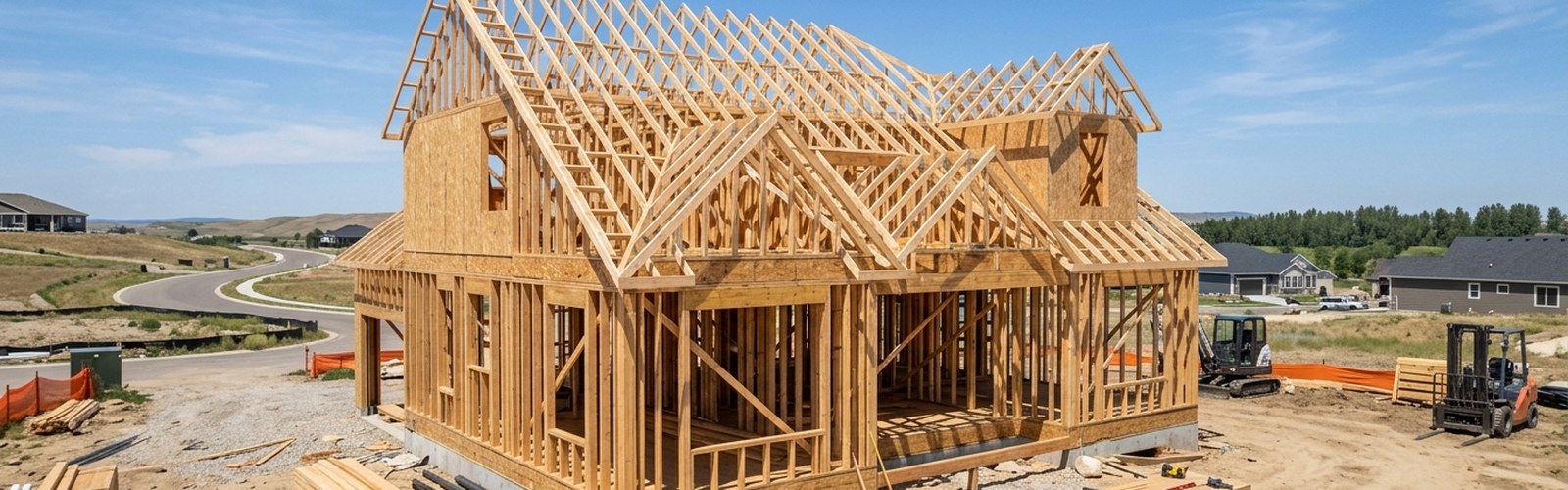
Building a home from the ground up offers buyers something special: the chance to make every decision their own. But while choosing floor plans, finishes, and fixtures is the exciting part, financing a custom build (and navigating construction) may feel like the work.
A Federal Housing Administration (FHA) construction loan can help qualified buyers finance a new home from start to finish. However, success depends on much more than loan approval.
From selecting the right contractor to preparing for permitting delays and unexpected costs, the work done before construction begins often determines how smoothly a project moves forward.
“One misconception I see all the time is that once financing is approved, everything else falls into place,” said Daniel Ilinykh, owner of Bay Way Flooring in Tampa Bay, Fla. “In reality, the loan is just one piece of the project. Building a home still depends on good planning, realistic expectations, and having the right team.”
What is an FHA construction loan?
An FHA construction loan is a government-backed mortgage that finances the construction of a new home. Rather than purchasing an existing property, borrowers use the loan to pay for construction as the home is built.
One of the most common options is the FHA construction to permanent loan, also known as the FHA one-time close construction loan. Instead of taking out separate loans for construction and the mortgage, borrowers close once at the beginning of the project. Once construction is complete, the loan automatically converts into a traditional mortgage.
This type of FHA new construction loan can simplify the financing process, reduce closing costs, and allow qualified buyers to build with a lower down payment than many Conventional loan programs.
FHA construction loan requirements
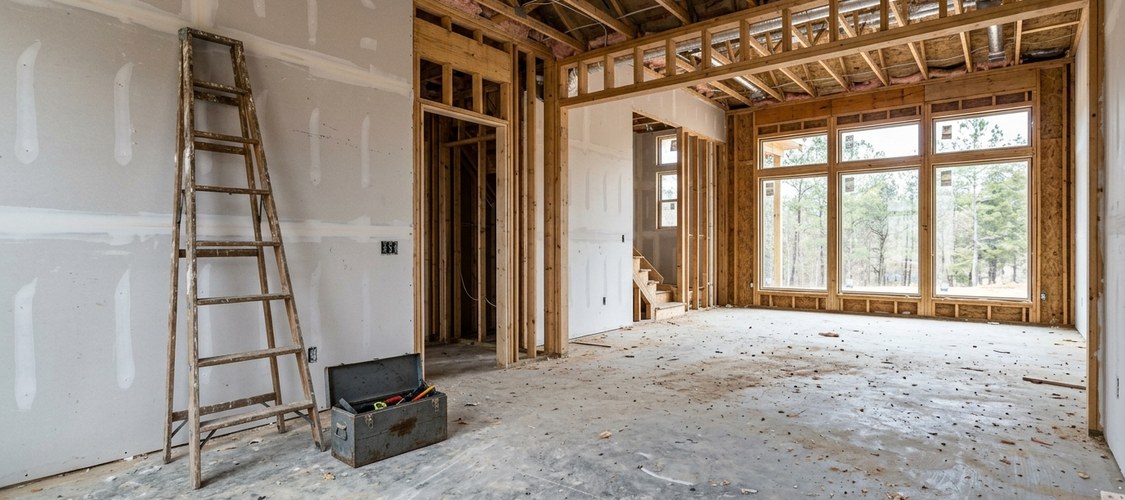
FHA construction loan requirements vary by lender. Generally, buyers must meet FHA credit and income guidelines, provide a qualifying down payment, and work with a licensed builder approved by the lender. Construction plans, specifications, and project budgets are also reviewed before financing is finalized.
Typically, borrowers must have a credit score of at least 580 and a minimum down payment of 3.5% for FHA construction loans. They also generally need debt-to-income ratios of 43% or lower. (This is how much debt a borrower has compared to their earnings.)
The loans generally include mortgage insurance premiums that buyers pay up-front when the loan closes and annually as the charges are wrapped into the monthly mortgage payments.
Another requirement is that the home must also be your primary residence.
Construction loans also work differently than traditional mortgages. Rather than receiving all funds upfront, builders are typically paid through draw schedules as work is completed and inspected.
“Draws aren’t released until an inspector confirms the work is done, so your builder is paid for weeks before the reimbursement is received,” said Branden Wells, CEO and founder of TrueCraft Construction.
Wells said borrowers should ask prospective contractors about their experience with draw-funded projects, since builders who aren’t prepared to manage cash flow while waiting for reimbursements can run into financial trouble.
Alternatives to an FHA construction loan
Borrowers who don’t qualify for an FHA construction loan still have several financing options. Conventional construction loans, VA construction loans for eligible military borrowers, and USDA construction loans for qualifying rural properties may all be worth considering.
Many lenders also offer one-time close construction loans through Conventional financing. Like the FHA construction to permanent loan, these loans combine construction financing and the permanent mortgage into a single closing, eliminating the need to refinance after construction is complete.
Comparing down payment requirements, mortgage insurance costs, interest rates, and eligibility requirements can help borrowers determine which loan best fits their situation.
What to consider before building your home with an FHA construction loan
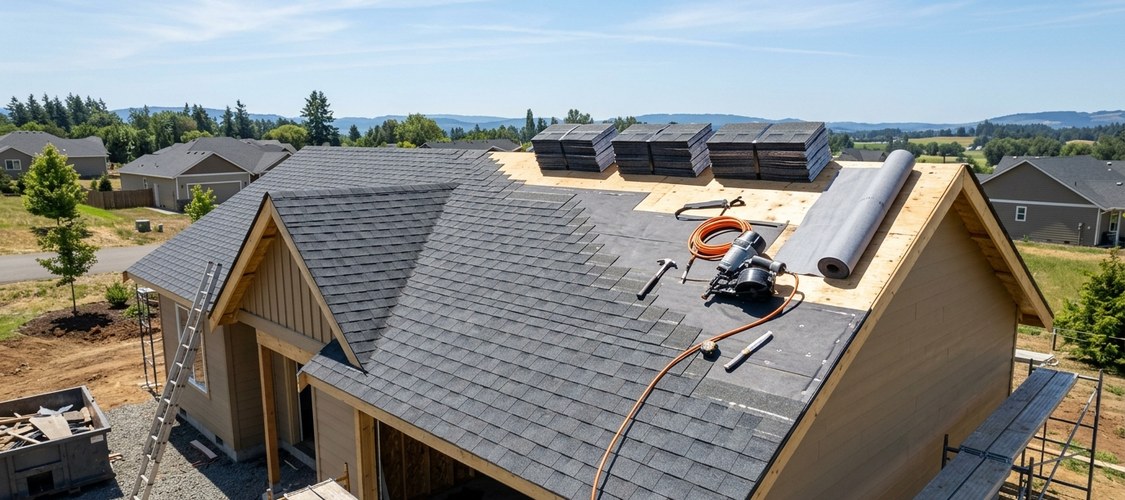
Financing is only one part of a successful home build. Construction delays, unexpected costs, and mid-project changes can quickly affect both the schedule and the budget.
“From my experience, delays are usually caused by changes during construction rather than the original plan,” Ilinykh said. “A homeowner decides to change tile sizes, move plumbing fixtures, upgrade finishes, or redesign a bathroom after work has already started.”
Even small revisions can affect multiple trades, leading to schedule delays and additional labor costs.
“Making decisions early is one of the best ways to stay on schedule and avoid unnecessary costs,” Ilinykh said.
Wells said buyers often underestimate how quickly costs can change once construction begins. While a construction estimate or proposal provides a starting point for the project, homeowners often view it as a final price rather than a projection based on the information available before work begins.
“The bid sheet is treated as a price by the buyers,” he said. “Nothing remains within that specific focus once the ground is broken.”
Unexpected site conditions, including grading, drainage, soil issues, and utility connections, can add $15,000 to $60,000 to a typical project before homeowners ever begin selecting countertops or flooring.
Unexpected delays are common with new construction
Permitting can also create lengthy delays. Wells notes that plan reviews may take four to 12 weeks in some jurisdictions, while correction cycles and long lead times for windows and cabinetry can push projects back even further.
For first-time builders, both experts recommend making as many decisions as possible before construction begins. Detailed plans reduce expensive change orders, and selecting an experienced contractor who communicates clearly can help projects stay on track.
“Choose your contractor as carefully as you choose the house plan,” Ilinykh said. “Ask to see completed projects, talk to previous clients, and make sure the contractor communicates clearly before work begins.”
For borrowers considering an FHA construction loan, understanding the financing process is only the first step. With realistic expectations, careful planning, and the right construction team, buyers can better navigate the challenges of building a home and bring their vision from blueprint to reality.
Author




 Stay one step ahead