Housing News
Mortgage Rates Edge Up but Remain Below 7%
September 17, 2026
Mortgage interest rates edged up this week but remained below 7%, even as borrowing costs reached their highest level in more than a year.
The average rate for a 30-year, fixed-rate mortgage was 6.95% for the week ending Sept. 17, according to Freddie Mac. That was up from 6.76% the previous week and 6.26% a year ago.
Rates have remained below 7% since January 2025. The last time the average 30-year rate topped that threshold was Jan. 16, 2025, when it reached 7.04%.
Freddie Mac Chief Economist Sam Khater pointed to the market’s response to the latest economic data.
“The 30-year fixed-rate mortgage continues to fluctuate as markets assess economic data,” said Khater in a statement.
The 19-basis-point increase was the largest one-week jump since April 2025, according to Realtor.com.
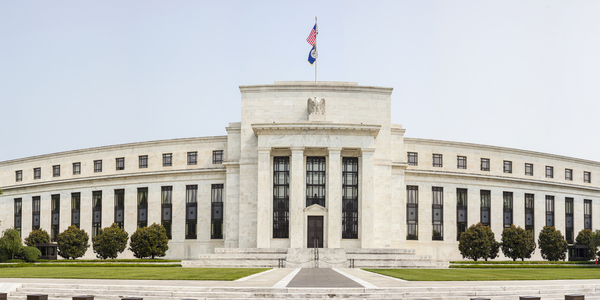
Bond yields had been climbing ahead of the Federal Reserve’s Sept. 16 meeting, with the 10-year Treasury yield topping 5% earlier in the week. Mortgage rates tend to move in the same general direction as the 10-year Treasury yield.
The Fed voted Wednesday to raise its benchmark interest rate by a quarter percentage point. However, this week’s Freddie Mac mortgage rate doesn’t reflect the move, since it’s based on rates collected over the preceding week.
“We will get a much better sense of if and how any Fed move feeds through to mortgage rates next week and beyond,” said Realtor.com Senior Economist Jake Krimmel.
The Fed does not directly set mortgage rates. Several factors influence mortgage rates, including movements in the bond market, inflation expectations, and the broader economy.
Higher mortgage rates appear to be weighing on mortgage demand, although home purchase activity declined only slightly week-over-week.
Mortgage applications fell 4.1% for the week ending Sept. 11, according to the Mortgage Bankers Association (MBA). The results were adjusted for the Labor Day holiday.
Refinance applications fell 9%, while seasonally adjusted applications to purchase a home edged down just 1% from the previous week.
“Ongoing market concerns over spiking energy prices, persistently high inflation, and future monetary policy pushed bond yields and mortgage rates higher last week,” wrote Joel Kan, MBA’s vice president and deputy chief economist. “As the 10-year Treasury inched closer to the 5 percent mark, mortgage rates followed and were almost 7 percent.”
For homebuyers who remain in the market, fall may offer advantages elsewhere in the transaction. More homes for sale and price reductions in some markets may give them additional choices and opportunities to negotiate on price, repairs, closing costs, or even a mortgage rate buydown.
“For buyers, the pace of the mortgage rate increase means they’re facing an uphill climb exactly at the time of year when leverage really shifts more in their favor,” said Krimmel.
Author



 Stay one step ahead