

Housing News
Mortgage Interest Rates Remain Low: Will Homebuyers Make a Move?
February 5, 2026
Mortgage interest rates continued to hover just above 6%, giving homebuyers a little financial breathing room as the spring housing market is poised to kick off.
Rates averaged 6.11% for 30-year, fixed-rate loans for the week ending Feb. 5, according to Freddie Mac data. That was basically flat from the previous week when they averaged 6.10%.
And mortgage rates were down considerably from this time last year when they averaged 6.89%.
“For the last several weeks, the 30-year fixed-rate mortgage has remained at its lowest level in years,” said Freddie Mac Chief Economist Sam Khate in a statement. “The combination of improving affordability and availability of homes to purchase is a positive sign for buyers and sellers heading into the spring home sales season.”
However, the number of buyers applying for loans to purchase homes dropped 14% in the week ending Jan. 30, according to the Mortgage Bankers Association (MBA). That was compared to the previous week.
MBA’s Deputy Chief Economist Joel Kan noted the drop was likely impacted by Winter Storm Fern, which blanketed a large swath of the country in snow and ice.
Homeowners hoping to lower their monthly mortgage payments by locking in a lower rate were less discouraged by the storm.
Refinance applications were up 117% year-over-year in the week ending Jan. 30, according to MBA. Applications did dip a little, though, by 5% from the previous week.
“More homeowners with above-6% rates seem to be just taking the opportunity to acquire a new lower rate but stay in the same home,” said Bright MLS Chief Economist Lisa Sturtevant in a statement. The multiple listing service covers the mid-Atlantic region.
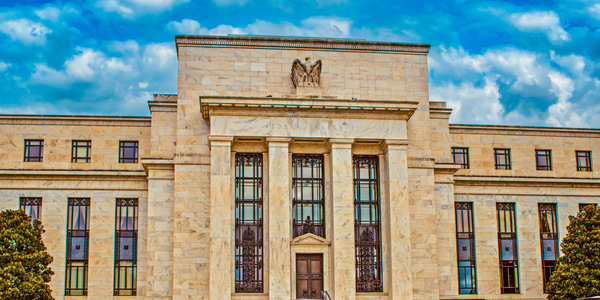
Rates remained virtually the same after the U.S. Federal Reserve decided to keep its short-term interest rates unchanged at its January meeting. While these rates are different from mortgage rates, the two generally move in the same direction.
Additionally, President Donald Trump announced last week his pick to become the next Fed chair, former Fed governor Kevin Warsh.
“All eyes are on rates and how the selection of the new Fed chair could drive rates in the months ahead,” said Sturtevant. “However, the uncertainty around rates suggests that it is going to be more important to track broader economic conditions, such as consumer confidence and economic uncertainty to help predict where the housing market is heading in 2026.”
Author

 Smart Moves Start Here.